

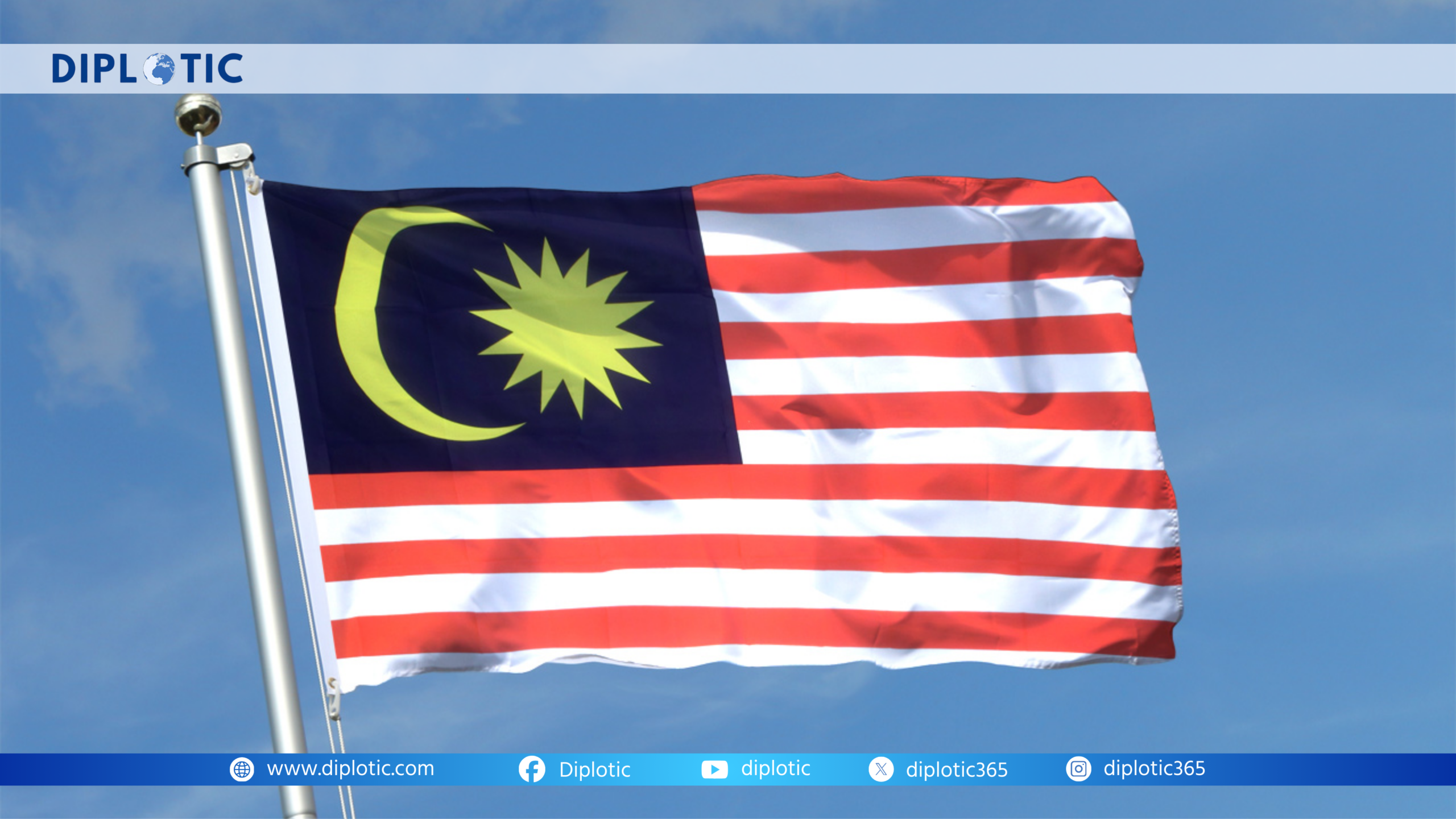
On February 4, 2026, Malaysia took a firm step against the entry of electronic waste by moving it to the Absolute Prohibition category for imports. Malaysian Anti-Corruption Commission chief commissioner Tan Sri Azam Baki announced the change after a special task force meeting focused on better enforcement for hazardous waste. Previously, e-waste fell under Conditional Prohibition, allowing the Department of Environment director-general to grant exemptions under specific rules. Now, no imports are permitted at all. The decision aims to protect the environment, close loopholes that allowed illegal shipments, and strengthen coordinated action among agencies. It comes amid global concerns over developed countries sending waste to Southeast Asia, where enforcement can be weaker. The move raises questions about past practices, enforcement gaps, and what it means for Malaysia’s role in regional waste trade. As a major economy and trade hub, Malaysia’s policy shift could influence neighbors and signal stronger commitment to stopping toxic dumping.
What Led to the Change from Conditional to Absolute Prohibition?
E-waste imports had been allowed under conditions set by the Environmental Quality Act 1974. Section 34B gave the DOE director-general power to approve shipments if they met standards, such as proper recycling plans or no harm to health and environment. This flexibility aimed to balance trade with safety but created openings for abuse. Some shipments entered under the guise of recycling, only to end up in informal dumps or cause pollution.
The special task force, formed to review plastic and e-waste management, met for the second time and concluded that conditional rules were not enough. Azam Baki stressed the need for firm, unified enforcement across agencies. The task force instructed the DOE to apply to Customs for the Absolute Prohibition listing under the Customs (Prohibition of Imports) Order 2023. This category bans imports outright, with no exemptions possible.
The shift reflects growing awareness of risks. E-waste contains toxic materials like lead, mercury, and flame retardants that leach into soil and water if not handled properly. Malaysia has faced cases of illegal dumping, including shipments mislabeled as scrap metal or second-hand goods. International pressure, including the Basel Convention rules on hazardous waste movement, also plays a role. Malaysia ratified the Ban Amendment, which restricts transfers from developed to developing nations. The absolute ban aligns with these commitments and addresses domestic concerns about health and pollution.
How Will the New Rules Be Enforced and Coordinated?
Enforcement now involves multiple agencies working together. The task force agreed to form a Special E-Waste Coordination Committee, chaired by Malaysian Border Control and Protection Agency Port Klang commander Deputy Comm Datuk Nik Ezanee Mohd Faisal. This group must report outcomes to the task force within one week, ensuring quick and systematic action.
Customs will handle border checks, with stricter inspections for suspicious containers. Immigration, police, and environmental officers will support operations. The focus is on ports like Port Klang, a major entry point for goods. Digital tools, such as tracking manifests and verifying origins, will help spot misdeclared shipments.
The absolute ban removes discretionary powers, making decisions clearer and reducing corruption risks. Past conditional approvals sometimes led to questions about oversight. Now, any attempt to import e-waste faces immediate rejection or seizure. Penalties under existing laws, including fines and jail terms, will apply to violators.
A related proposal discussed a three-month moratorium on plastic waste imports. Before a final decision, the Ministry of Investment, Trade and Industry, National Solid Waste Management Department, and SWCorp must provide data on economic impacts. This shows a careful approach: tighten controls while weighing effects on industries that use recycled materials.
What Broader Implications Does This Have for Malaysia and the Region?
The policy change strengthens Malaysia’s stance against becoming a dumping ground for global e-waste. It protects communities near ports and recycling sites from toxic exposure. It also aligns with international efforts to control hazardous waste flows, especially after reports of shipments rerouted to Southeast Asia when China banned imports in 2018.
For trade, the ban may affect businesses dealing in scrap or recycling. Legitimate operators must adapt to stricter rules, while illegal networks face higher risks. Malaysia’s position as a trade hub makes enforcement visible and influential. Neighbors may follow suit or coordinate to prevent waste diversion.
The move boosts public trust in anti-corruption and environmental protection. MACC’s leadership in the task force highlights a multi-agency push beyond words. It addresses long-standing issues of weak border controls and inconsistent application of laws.
Challenges remain. Smugglers may use new routes or false declarations. Full success depends on sustained resources, training, and international cooperation. Sharing intelligence with origin countries and regional partners will be key.
Malaysia’s decision to ban e-waste imports connects past enforcement gaps to a firmer environmental stance. By ending conditional allowances, the country closes a major loophole and commits to protecting its land and people. As enforcement ramps up and coordination improves, the policy could set a regional example. The coming months will show whether this absolute prohibition holds firm and reduces illegal flows, marking a meaningful step toward cleaner borders and stronger accountability.




