

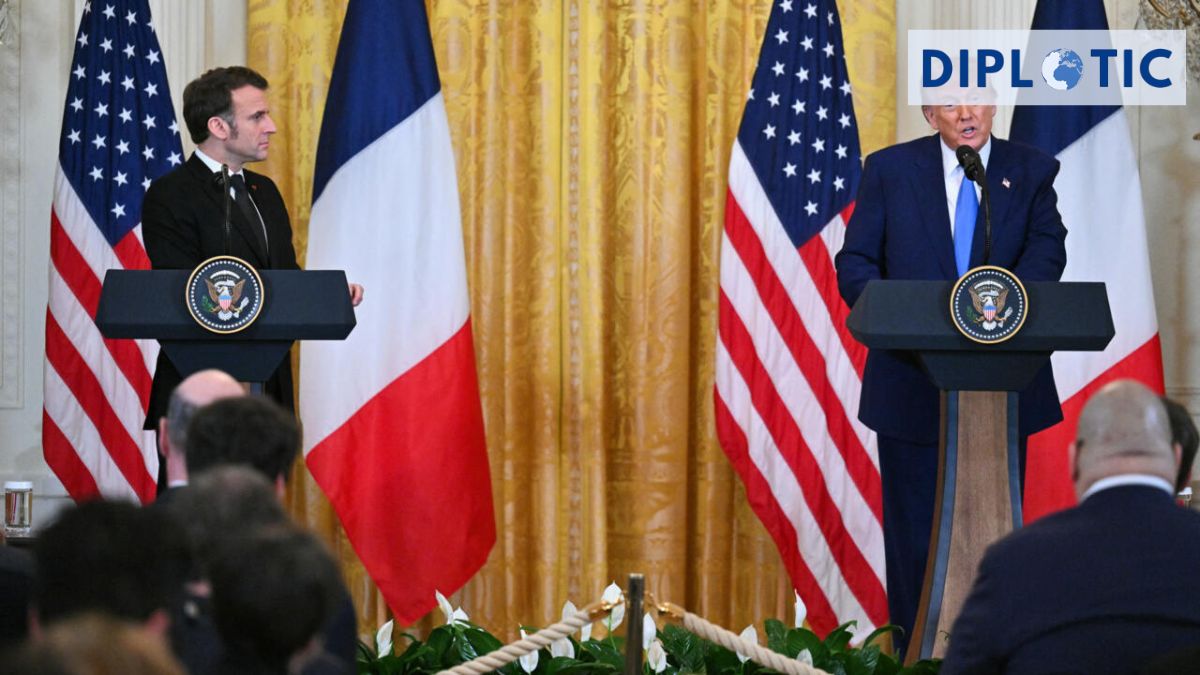
Macron and EU leaders strongly condemn U.S. visa bans amid escalating censorship tensions. Discover how this transatlantic dispute threatens free speech, democracy, and global digital rights.
A New Transatlantic Crisis Takes Shape
A powerful diplomatic storm is brewing across the Atlantic as French President Emmanuel Macron and senior European Union officials have sharply criticized newly announced U.S. visa bans linked to alleged “censorship concerns.” What began as a regulatory measure has quickly escalated into a geopolitical confrontation, raising alarm bells over free expression, digital sovereignty, and the future of Western democratic values.
European leaders warn that Washington’s actions could create a dangerous global precedent one that blurs the line between combating misinformation and imposing ideological control.
Why the U.S. Visa Bans Sparked Global Outrage
The U.S. government recently introduced visa restrictions targeting certain foreign officials and individuals accused of enforcing what Washington considers “authoritarian censorship policies.” While American officials argue the bans are necessary to defend democratic norms and online freedoms, European leaders see the move as heavy-handed, unilateral, and diplomatically reckless.
From Brussels to Paris, the message has been unmistakably firm: the United States must not position itself as the sole global judge of what constitutes acceptable speech governance.
Macron Issues a Strong Warning
President Macron publicly condemned the measures, warning that they risk undermining the core principles of international cooperation.
“Freedom of expression cannot be defended through exclusion and punishment,” Macron stated. “Dialogue, multilateralism, and mutual respect must remain the foundation of our alliances.”
His remarks underscore growing European fears that Washington’s approach may trigger retaliatory measures, fragment global digital governance, and weaken the unity of democratic nations.
EU Leaders Fear a Slippery Slope
European Commission officials echoed Macron’s concerns, cautioning that visa bans tied to speech regulation could spiral into a wider geopolitical weaponization of digital policy.
Key concerns include:
The erosion of diplomatic norms
Increasing fragmentation of internet governance
The rise of tit-for-tat political sanctions
Threats to academic, technological, and economic cooperation
Brussels also warned that the bans could discourage innovation and research collaboration by creating uncertainty for international experts and digital policy leaders.
Censorship vs. Sovereignty: The Core Conflict
At the heart of the dispute lies a philosophical divide over who gets to define and enforce digital freedoms. The U.S. maintains that it has a moral duty to confront governments accused of silencing dissent online. The EU, however, insists that governance models differ legitimately among democratic societies — and that imposing unilateral punishments risks inflaming political polarization.
This disagreement reflects broader tensions surrounding:
Social media regulation
Artificial intelligence governance
Data privacy laws
Content moderation frameworks
Europe’s Digital Services Act (DSA) and U.S. platform regulation efforts already differ significantly — making the visa bans a potential tipping point in transatlantic digital relations.
Economic and Security Implications
The fallout could extend far beyond diplomacy. Experts warn that escalating tensions may:
Disrupt cybersecurity cooperation
Slow joint AI development
Impact defense technology sharing
Undermine economic partnerships worth billions
A fractured digital alliance could weaken Western influence at a time when authoritarian regimes are rapidly expanding technological control models worldwide.
Calls for Multilateral Solutions Intensify
EU officials are urging the United States to return to multilateral frameworks such as the OECD, G7, and UN digital rights forums rather than acting unilaterally. They argue that shared standards, not visa bans, offer the best path toward protecting democratic values globally.
European Parliament members have even floated the idea of countermeasures if Washington does not adjust its stance.
What Happens Next?
While formal retaliation has not yet been announced, diplomatic negotiations are intensifying behind closed doors. Both sides appear eager to avoid a full-blown diplomatic rupture, but neither is backing down.
This standoff could shape the future of global digital governance, redefining how democracies balance free speech, national sovereignty, and international cooperation in the age of artificial intelligence and platform-dominated discourse.
A Defining Moment for Global Free Speech
The visa ban controversy marks one of the most serious ideological clashes between Europe and the United States in recent years. What is at stake is not just policy but the very definition of freedom in the digital age.
As Macron and EU leaders challenge Washington’s unilateral approach, the world is watching closely. The outcome of this dispute could influence how nations regulate speech, technology, and democracy for decades to come.
One thing is certain: the era of digital diplomacy has entered a far more volatile and consequential phase.




