

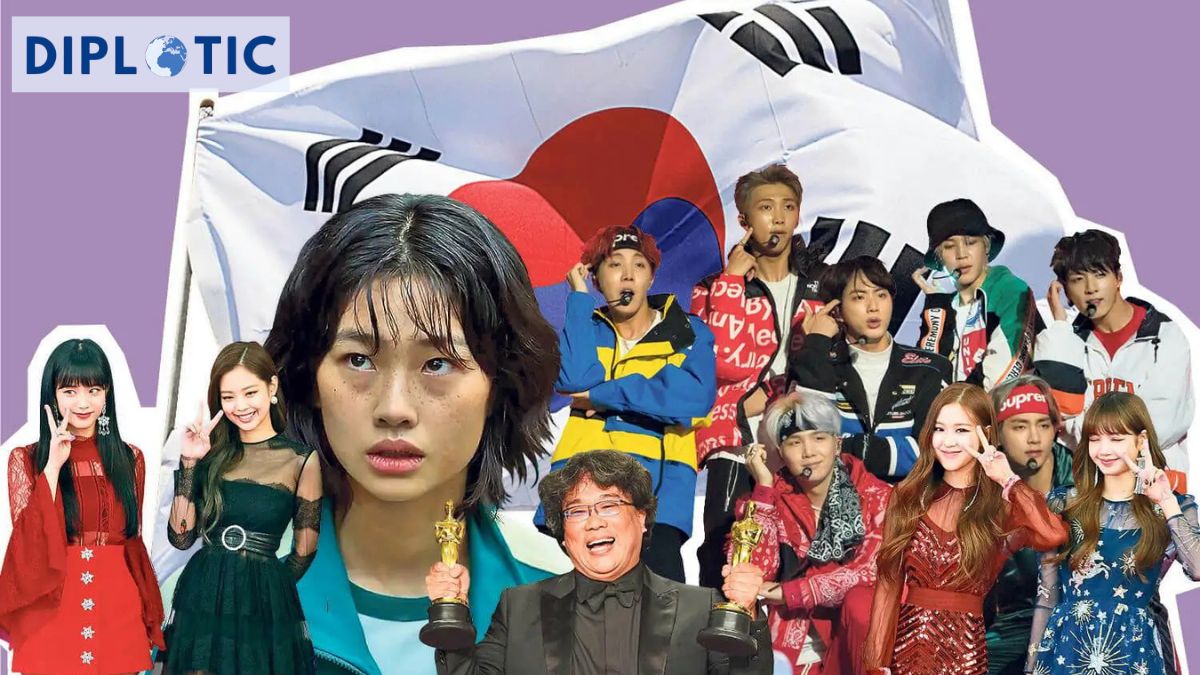
The Korean Wave transformed South Korea from a fast follower into a global cultural superpower. Explore the rise of K-pop, K-dramas, webtoons, films, and musicals that are reshaping entertainment, soft power, and national branding worldwide.
From fast chasers to drivers of national brand
At the dawn of the 21st century, few could have predicted that South Korea would become one of the most influential cultural exporters on Earth. Known once primarily for shipbuilding, semiconductors, and automobiles, the country has quietly transformed into a creative superpower whose music, dramas, films, and digital comics shape the everyday habits of hundreds of millions of people. The rise of the Korean Wave, or Hallyu, is no longer a passing trend. It is a structural shift in global culture, driven by technology, storytelling mastery, and a national strategy that understands the power of emotional connection.
Today, Korean pop stars fill stadiums in Paris and São Paulo, Korean dramas dominate streaming charts in the United States and Europe, and Korean films collect top prizes at the world’s most prestigious festivals. At the same time, Korean webtoons are redefining global publishing, while Korean musicals are preparing for their international breakthrough. Together, these creative industries are not only generating billions of dollars in exports but are also shaping how the world sees Korea itself. The country has moved decisively from being a fast follower to becoming a driver of global cultural direction.
What is behind South Korea’s rise in soft power
South Korea’s rise as a soft-power giant is rooted in a rare combination of state vision and private creativity. Following the Asian financial crisis of the late 1990s, policymakers identified cultural industries as a strategic growth engine. Investments were poured into media infrastructure, training institutions, digital platforms, and international promotion systems. Crucially, however, the government did not attempt to control creative direction. Instead, it built an environment in which entertainment companies, publishers, studios, and digital platforms could innovate aggressively while benefiting from national support.
Equally important was Korea’s early recognition that the internet would become the primary battlefield of global culture. While other countries continued to rely heavily on television and physical distribution, Korean content producers designed their products for online virality, streaming consumption, and global fan communities. This digital-first mindset laid the foundation for a borderless cultural economy that could scale rapidly across continents.
K-pop’s journey from local sound to global movement
K-pop’s transformation from a niche regional genre into a worldwide cultural movement represents one of the most dramatic shifts in the modern music industry. In the early 2000s, Korean pop music was largely confined to East Asia. Two decades later, it dominates global streaming charts, fills stadiums in North America and Europe, and influences fashion, beauty and youth culture worldwide.
The secret of K-pop’s success lies not only in catchy melodies but also in its highly structured talent development system, visually driven performance culture, and sophisticated digital fan engagement. Korean entertainment agencies treat idols as long-term cultural brands, investing in language training, storytelling, choreography, and global communication strategies. Fans are not simply consumers; they are communities that actively promote content, translate lyrics, and build emotional connections that extend beyond music into lifestyle and identity.
This ecosystem has allowed K-pop to become far more than a music export. It now drives tourism, fashion collaborations, beauty product sales, and even foreign language learning, creating a ripple effect that reinforces Korea’s national brand in markets far beyond Asia.
How K-dramas became a global emotional language
If K-pop provided the sound of the Korean Wave, K-dramas provided its emotional voice. Korean television dramas have evolved from regionally popular romance series into some of the most watched and discussed content on global streaming platforms. In recent years, they have consistently ranked among the most viewed shows on Netflix in dozens of countries.
The global appeal of K-dramas lies in their ability to blend universal emotions with uniquely Korean social settings. Their stories explore love, family conflict, ambition, injustice, and resilience in ways that feel both intimate and cinematic. High production values, careful casting, and tightly written scripts give Korean series a visual and emotional polish that rivals Hollywood productions while offering narratives that feel fresh to international audiences.
As global platforms increase their investment in Korean originals, K-dramas are no longer simply being exported. They are becoming an integral part of the global entertainment mainstream, shaping viewing habits and storytelling trends worldwide.
The quiet revolution of K-webtoons
While K-pop and K-dramas dominate headlines, K-webtoons may represent Korea’s most structurally powerful cultural export. South Korea pioneered the modern webtoon format, creating vertical-scroll digital comics designed specifically for smartphones. This innovation transformed comics into binge-friendly, mobile-first entertainment perfectly suited to today’s digital lifestyle.
Over the past two decades, Korean webtoon platforms have expanded into global publishing giants, distributing content in dozens of languages and reaching millions of daily users worldwide. More importantly, webtoons have become a core intellectual-property engine for Korea’s creative economy. Many of today’s most successful Korean dramas and films began as webtoons, allowing creators to test stories digitally before adapting them into larger productions.
Through webtoons, South Korea has effectively positioned itself at the center of a global IP supply chain, controlling not only content creation but also adaptation into television, film, gaming, and merchandise.
From Shiri to Parasite: Korean cinema’s global ascent
Korean cinema’s rise from domestic entertainment to international prestige represents another pillar of the Korean Wave. In the late 1990s, films like Shiri demonstrated that Korean productions could compete commercially with Hollywood blockbusters in Asia. Over the following decades, Korean filmmakers developed a reputation for bold storytelling, genre experimentation, and sharp social commentary.
This creative evolution culminated in 2019, when Parasite became the first non-English-language film to win the Academy Award for Best Picture. The victory symbolized not only artistic recognition but also the global acceptance of Korean narratives as part of mainstream cinema culture.
Today, Korean films are regularly screened at major international festivals, remade by foreign studios, and streamed by global audiences, reinforcing Korea’s image as a country capable of producing world-class storytelling across genres.
K-musicals and the next frontier of cultural export
While still emerging on the world stage, Korean musicals are increasingly attracting attention in Asian touring markets and through collaborations with Broadway and West End producers. Rooted in Korea’s strong theatrical traditions and modern pop culture aesthetics, these productions combine musical excellence with visually dynamic staging and emotionally resonant narratives.
Although language barriers and production costs present challenges, the growing global appetite for Korean content suggests that K-musicals may become the next major export category. As translation technologies improve and international partnerships expand, Korean musical theatre is poised to find a broader audience beyond Asia.
From fast chasers to national brand architects
South Korea’s transformation over the past two decades represents a rare national success story. Once known primarily as a manufacturing powerhouse, the country has repositioned itself as a cultural architect shaping global tastes, emotions, and identities. The Korean Wave has become a strategic national brand engine, influencing tourism, luxury consumption, product trust, and even diplomatic relationships.
Rather than simply selling products, South Korea now exports stories, lifestyles, and emotional connections. This shift has created long-term cultural influence that is more resilient than traditional industrial competitiveness.
Can South Korea maintain its cultural edge?
The sustainability of the Korean Wave will depend on how effectively Korea continues to innovate. Future growth will likely be driven by stronger ownership of global platforms, deeper integration of artificial intelligence and immersive technologies into entertainment, and more international co-creation that still preserves a distinct Korean identity.
If these conditions are met, the Korean Wave will not fade. It will evolve.
Conclusion: The Korean Wave as a permanent global force
What began as a regional cultural curiosity has become one of the most powerful soft-power engines in the modern world. From K-pop to K-dramas, from webtoons to award-winning films and emerging musicals, South Korea has achieved global emotional relevance on a scale few nations have ever reached.
The Korean Wave is no longer just a trend. It is a permanent force reshaping global culture and its next chapter is only beginning.




