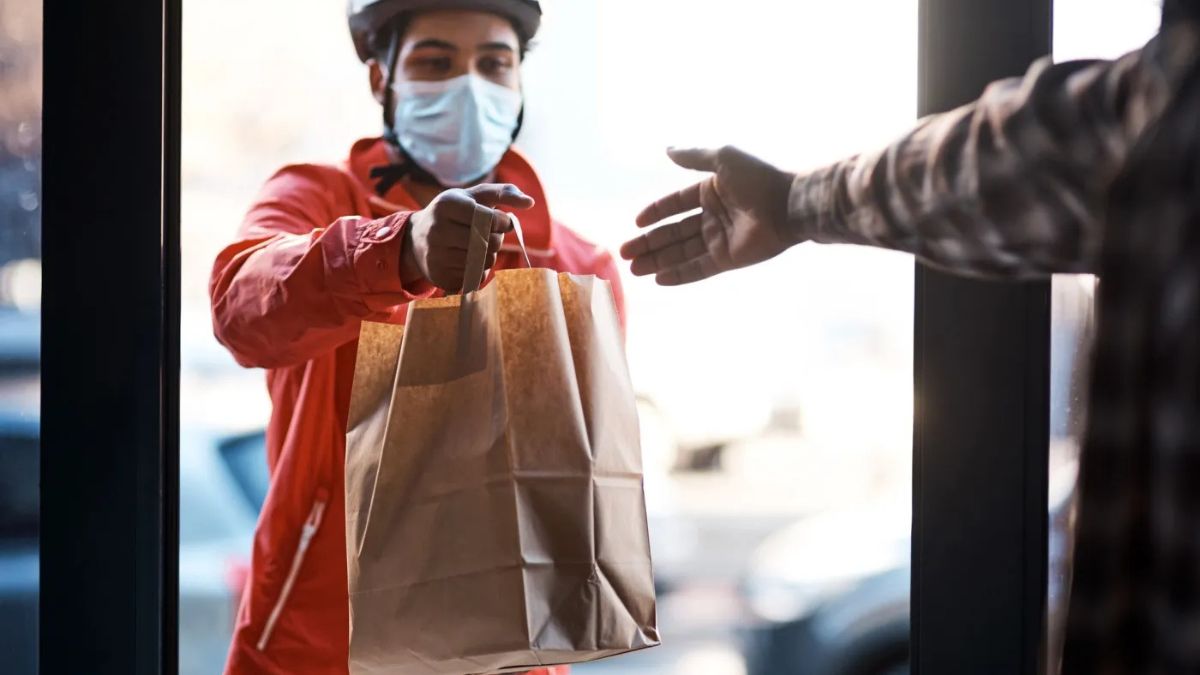
A street vendor in Delhi fries pakoras in oil older than the day’s news, while a Karachi teen scrolls Uber Eats for a burger fix. In South Asia’s urban sprawl, where neon signs and food carts duel for hungry hearts, junk food seems the city’s signature sin—greasy, cheap, and always a swipe away. But venture to rural Punjab, where packaged chips replace homemade roti for kids too busy gaming to graze, and the lines blur. With obesity rates climbing—India alone hit 135 million obese adults in 2024—and diabetes stalking both skyscrapers and villages, the claim that junk food is an urban exclusive demands a hard look. As global chains like KFC nestle next to local chaat stalls, is this a city plague, or a universal craving reshaping health across divides? We slice through five claims, mixing science, culture, and history to expose a truth that’s less about where you live and more about what you’re sold.
Claim 1: Junk Food Consumption Is Primarily an Urban Phenomenon Due to Accessibility
The narrative’s slick: Cities brim with McDonald’s, food trucks, and 24/7 minimarts, making junk food as inescapable as traffic. Urbanization, the argument goes, packs people into dense hubs where time’s short, wallets are fatter, and processed snacks are a tap away. A 2023 Lancet study on dietary shifts in South Asia backs this, showing urban Indians consume 30% more ultra-processed foods than rural peers, with packaged sweets and sodas leading the charge.
But rural reality begs to differ. Cross-referencing a 2024 WHO report, rural South Asia’s markets now stock the same cheap chips and sugary drinks, thanks to global supply chains penetrating even remote hamlets. Historical lens: Post-1990s liberalization in India and Pakistan unleashed multinational brands, flooding village shops with Maggi noodles and cola crates. Science adds bite—rural kids, once nourished by millets, now munch trans-fat-laden snacks, with obesity rates doubling in rural India since 2010, per ICMR data.
The contradiction? Urban access is real, but rural penetration is relentless, driven by aggressive marketing. Implication: Blaming cities ignores how global trade and lax regulation make junk food a borderless bully, skewing diets everywhere.
Verdict: Misleading. Junk food’s grip isn’t urban-exclusive; it’s a supply chain invasion hitting all corners.
Claim 2: Urban Lifestyles Drive Junk Food Addiction More Than Rural Ones
Picture the urban rat race: Stressed techies in Bengaluru grab fries between Zoom calls, while rural farmers, tied to slower rhythms, cook from scratch. The claim hinges on lifestyle—city pace fuels convenience eating, with fast food as the default for harried professionals. A 2022 Asia Pacific Journal of Clinical Nutrition study found urban South Asians derive 25% of calories from processed foods, linked to time scarcity and dual-income hustle.
Yet rural life isn’t immune. Cross-check with a 2025 University of Delhi survey: Rural youth, glued to smartphones and mimicking urban influencers, crave branded snacks as status symbols. Cultural shift: Traditionally communal meals erode as nuclear families rise, with packaged foods filling gaps—rural Bangladesh saw a 40% uptick in instant noodle sales since 2020. Philosophically, it’s Durkheim’s anomie—modernity’s disconnection pushes both urban and rural folk toward quick, empty calories.
Trade-off? Urban stress may spike cravings, but rural aspiration apes the same habits, fueled by media. Deeper ripple: This claim downplays how global advertising—think Coca-Cola’s village billboards—hooks hearts across geographies, normalizing junk as joy.
Verdict: Misleading. Lifestyle drives junk food, but rural dreams chase the same addictive bait as urban rush.
Claim 3: Junk Food’s Health Impacts Are Worse in Cities Due to Sedentary Habits
The logic’s tight: Urbanites, chained to desks or cars, burn fewer calories than rural farmers tilling fields, amplifying junk food’s toll. Diabetes and heart disease, tied to processed diets, hit urban India at 12% prevalence versus 8% rural, per 2024 ICMR data. Sedentary city life, with its gyms often for the elite, seems the perfect storm for obesity’s rise.
But rural health tells a grimmer tale. A 2023 WHO non-communicable disease report shows rural South Asia’s diabetes rates catching up, driven by mechanized farming and declining physical labor. Science sharpens it: Cheap trans fats in rural diets—think reused cooking oil—spike cardiovascular risks, with Pakistan’s rural heart attack rates up 15% since 2015. Historical echo: Green Revolution’s monocrops cut dietary diversity, leaving villages reliant on processed carbs.
Ethically, it’s a gut-punch: Urbanites have gym apps, but rural folk face food deserts, where fresh produce is pricier than chips. Contradiction? If cities are worse, why do rural kids show higher stunting rates—30% in India’s villages—tied to nutrient-poor junk diets? Implication: Health systems, urban or rural, buckle under junk’s universal strain.
Verdict: False. Junk food’s damage doesn’t discriminate; sedentary or not, it’s a systemic saboteur.
Claim 4: Rural Areas Are Protected by Traditional Diets and Food Cultures
Romantics paint villages as bastions of wholesome eating—think Sri Lankan jackfruit curries or Nepali dal-bhat, untouched by urban fries. Traditional diets, rich in grains and greens, are hailed as junk food’s firewall, preserving health where cities falter. A 2021 Food Policy journal study supports this, noting rural Bhutan’s low processed food intake correlates with stable BMI rates.
Yet tradition’s crumbling. Cross-referencing a 2024 South Asian Journal of Health study, rural diets now mirror urban ones—50% of rural Pakistani households swapped millets for packaged snacks in a decade. Cultural lens: Colonial legacies pushed cash crops, shrinking local food systems; now, TV ads glorify burgers as modernity’s badge. Science adds: Micronutrient deficiencies, once tied to scarcity, now stem from junk’s empty calories, with rural Indian women showing 20% higher anemia rates linked to processed diets.
The hypocrisy? Governments celebrate “heritage diets” while subsidizing sugar imports. Wider consequence: Eroding food cultures fuels reliance on global brands, stripping autonomy. If rural diets shield, why do 2025 UNICEF reports show rural child obesity rising faster than urban in Bangladesh?
Verdict: False. Traditional diets are fading, outmuscled by junk’s cheap allure.
Claim 5: Urban Policy Interventions Can Curb Junk Food’s Spread More Effectively Than Rural Ones
The hopeful pitch: Cities, with their dense governance and media reach, can slap taxes on sodas or ban trans fats, taming junk’s tide. Singapore’s sugar tax slashed urban consumption by 15%, per a 2023 study; India’s urban FSSAI labeling rules aim to nudge healthier choices. The UN’s sustainable nutrition goals frame cities as policy labs, scalable to nations.
But rural gaps expose flaws. A 2025 Lancet Global Health analysis shows urban bans rarely reach villages, where unregulated vendors dodge enforcement. Historical parallel: Tobacco control worked in Delhi’s malls but flopped in Bihar’s bazaars, with 60% of rural shops ignoring bans. Geopolitically, trade agreements favor multinationals, flooding rural areas with untaxed junk while urban elites lobby for “healthy” reforms.
Ethically, it’s skewed: Urban policies cater to affluent voters, leaving rural poor to fend for themselves. Trade-off? City wins come faster but stay shallow without rural reach. Implication: Uneven fixes widen health inequities, as urbanites sip kale smoothies while villagers gulp Fanta.
Verdict: Uncertain. Urban policies show promise, but rural neglect keeps the problem festering.
In the junk food saga, it’s no urban monopoly—it’s a global juggernaut, reshaping diets from Mumbai’s towers to Nepal’s terraces. Science screams for regulation, culture begs for revival, and history warns of unchecked trade. Ethically, as 2025’s climate talks spotlight food systems, we must ask: If junk food’s cheap thrill crosses borders, why can’t solutions? The fight isn’t city versus village—it’s humanity versus a system that profits on our cravings. Digging past the wrapper, we find not just a meal, but a mirror of our choices.