

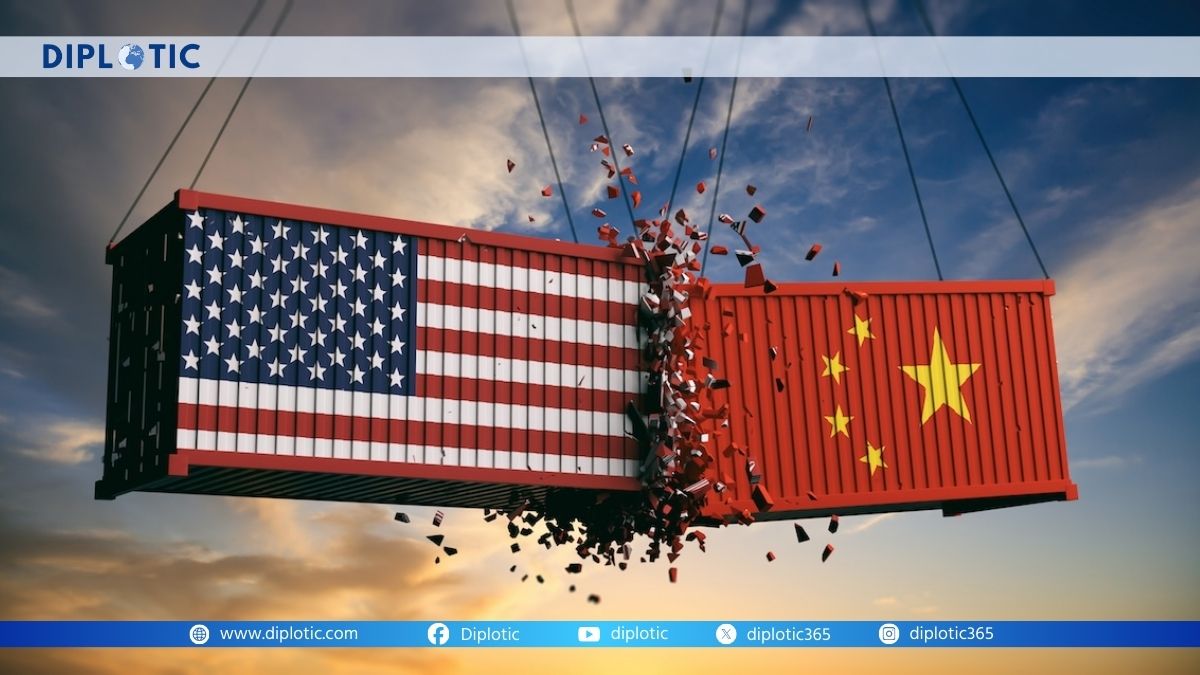
Japan has long believed that its future rests on balance. Balance between trade and security, between its largest economic partner and its strongest military ally. At the start of 2026, that balance looks fragile. China has moved to restrict more than 40 percent of Japanese exports, while the United States under President Donald Trump appears less predictable than ever. For Prime Minister Sanae Takaichi, this moment is more than a policy challenge. It is a test of whether Japan can still rely on old assumptions in a world that is changing faster than expected.
The pressure is arriving from all sides at once. China is signaling punishment for Japan’s stance on Taiwan. The US is raising doubts about its security commitment while demanding economic concessions. At home, Japan’s economy is losing speed just as global risks are rising. This mix has left Tokyo facing an uncomfortable question: what happens when a country built on alliances begins to feel alone?
Why did China’s export curbs hit Japan at such a sensitive moment?
China’s decision to limit imports of Japanese goods classified as “dual-use” is not only a trade move. It is a political signal, and its timing matters. According to Japanese research groups, these controls cover roughly 42 percent of all goods Japan sends to China. These include machine tools, electronic components, and advanced materials that can be used in both civilian and military fields. For Japan, this is a heavy blow because China remains one of its largest export markets.
The trigger was political. In November, Prime Minister Takaichi suggested that Japan might support Taiwan if China used force against the island. Beijing reacted sharply. For Chinese leaders, Taiwan remains a core issue tied to national unity. Any hint of outside support for Taipei is treated as interference. By using trade controls instead of open sanctions, China chose a tool that creates pressure while staying within its own regulatory framework.
The impact on Japan is immediate. Export-driven firms now face delays, added checks, and rising costs. Many small and mid-sized companies depend on Chinese demand and lack easy alternatives. This comes at a time when Japan’s economy is already under strain. Wage growth slowed to under 1 percent in late 2025, far below inflation. Household spending is weak. The central bank has started to raise interest rates, adding pressure on businesses and consumers alike.
China’s move also sends a wider message. It shows how economic ties can be used as leverage during political disputes. For years, Japan tried to separate economic cooperation with China from security concerns. That separation is now harder to maintain. The curbs suggest that Beijing is willing to accept economic costs to enforce political red lines. For Tokyo, this means that trade with China can no longer be treated as a neutral space. It is now part of a broader strategic contest.
Can Japan still trust the US security umbrella under Trump?
If China’s pressure were the only problem, Japan might manage by adjusting trade and diplomacy. The deeper worry lies with the United States. Since the end of World War II, Japan’s security has depended on its alliance with Washington. US troops are stationed across Japan, and in return Tokyo accepts limits on its own military role. This arrangement worked because the US commitment felt solid. Under President Trump, that sense of certainty has weakened.
Trump has long questioned alliances in transactional terms. He has publicly complained that the US protects Japan without getting enough in return. These remarks ignore the history of the alliance, but they shape policy. During his first term, Trump demanded higher payments for US troop presence and imposed tariffs on Japanese steel and aluminum. Prime Minister Shinzo Abe worked hard to keep relations smooth, offering praise and personal diplomacy. The results were limited.
Now, in Trump’s second term, the demands are larger and the tone sharper. Trade talks include threats of tariffs unless Japan agrees to major financial concessions. At the same time, Trump’s silence after Takaichi’s comments on Taiwan was telling. When Japan faced pressure from China, its closest ally said little. For Japanese officials, this raised doubts about whether Washington would back Tokyo in a real crisis.
The recent US operation in Venezuela added to the unease. It showed a willingness to use force quickly and unilaterally. Some in Tokyo worry that such actions could encourage instability elsewhere, including in East Asia. If Washington acts based on short-term calculations, allies may find themselves exposed. Japan’s leaders now face the task of managing an alliance where support cannot be taken for granted.
This uncertainty affects policy choices. Japan is increasing defense spending and debating how far it should go in strengthening its own capabilities. Yet it remains bound by legal and political limits. Without full trust in US backing, Japan feels pressure to do more, but also risks provoking neighbors. This is a narrow path, and the margin for error is small.
How are economic weakness and political limits narrowing Japan’s options?
Japan’s strategic challenges are made harder by domestic conditions. The economy, while stable on the surface, shows signs of strain. Wage growth has not kept pace with prices, hurting living standards. Consumption remains weak. The Bank of Japan’s shift toward higher interest rates reflects concern about inflation, but it also raises borrowing costs.
At the same time, Japan’s stock market has reached record highs. This creates a contrast between financial optimism and everyday reality. Much of the market rise is driven by global investment trends and technology stocks, not by strong domestic growth. Without deeper reforms, this gap could widen. Investors may eventually question whether market values reflect real strength.
Politically, Prime Minister Takaichi faces limits. Japanese leaders often have short terms, and public patience for bold reforms is low. Major changes to labor markets, taxation, or defense policy are hard to pass. Within her own party, support depends on careful balance rather than sweeping moves. This makes long-term planning difficult.
These internal constraints reduce Japan’s flexibility abroad. Facing China’s pressure and US unpredictability, Japan would benefit from stronger ties with other partners. Yet building new economic and security links takes time and political capital. Europe, Southeast Asia, and Australia offer options, but none can fully replace either China’s market or America’s military role.
The result is a feeling of narrowing choices. Each response carries costs. Standing firm on Taiwan risks further economic punishment from China. Pushing back against US demands risks trade retaliation. Staying quiet risks looking weak and losing influence. For a country used to careful consensus, this is an unfamiliar position.
What does this moment mean for Japan’s future role in Asia?
Japan’s sense of isolation in early 2026 does not mean it lacks options, but it does mark a turning point. The old model of relying on US security while trading deeply with China is under strain. Both pillars are shifting at the same time. This forces Japan to rethink how it defines its interests and how it protects them.
One likely outcome is a more active effort to build wider partnerships. Japan has already strengthened ties with Southeast Asia and India. These relationships may grow in importance as Tokyo seeks to spread risk. Another outcome is a gradual increase in self-reliance, especially in defense and key industries. This does not mean abandoning alliances, but it does mean preparing for uncertainty.
The challenge will be managing this transition without provoking conflict or harming growth. Japan’s strength has long been its stability and predictability. Preserving these qualities while adapting to a harsher environment is not easy. Much depends on leadership, both at home and abroad.
As 2026 unfolds, Japan stands at a crossroads shaped by forces beyond its control. China is more willing to use economic power for political ends. The United States is less steady as an ally. Japan’s response will shape not only its own future, but the balance of power in Asia. The question now is whether Japan can turn a moment of isolation into a strategy of resilience, before the space to choose narrows even further.




