

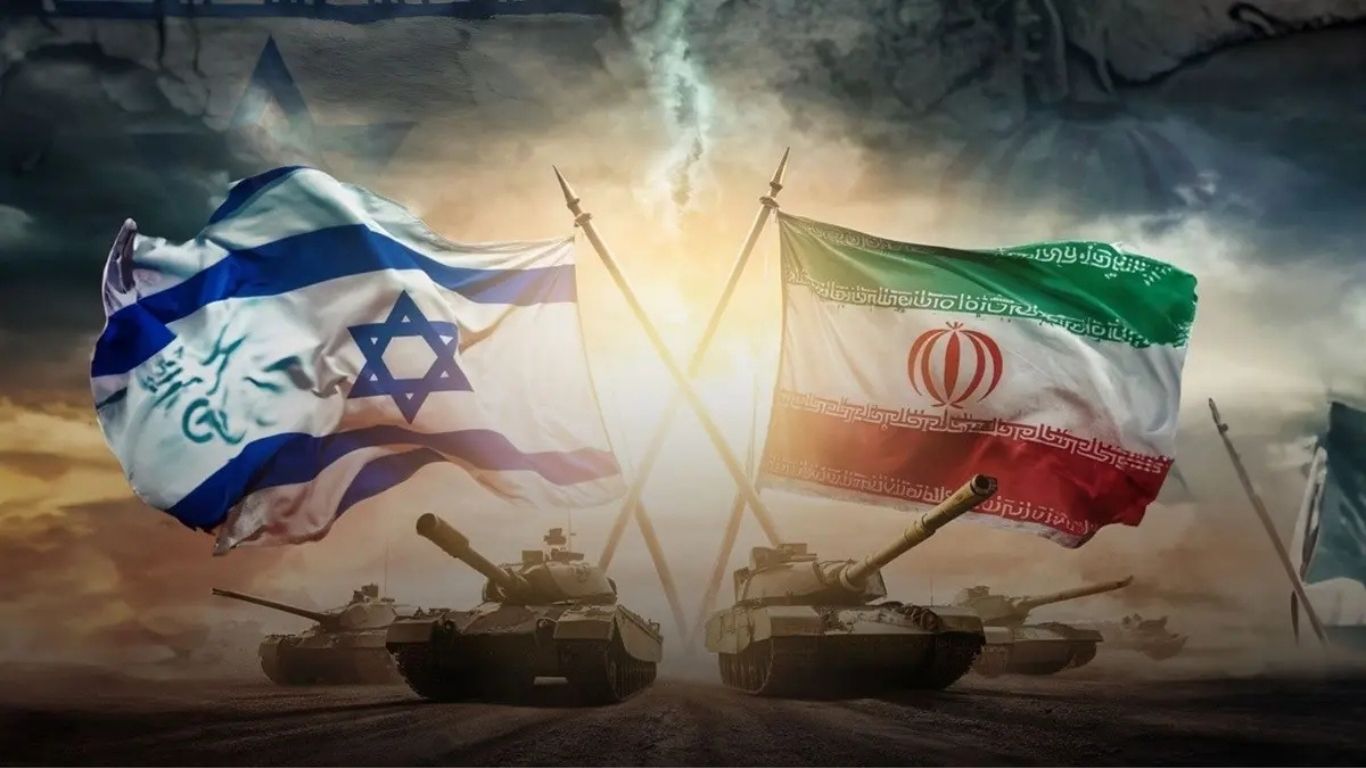
The Middle East stands at a dangerous crossroads following Israel’s unprecedented military strikes on Iran’s nuclear and military infrastructure—a campaign that killed senior Iranian generals and top scientists and sparked fears of a full-scale regional war. This escalation raises urgent questions: Is Israel’s aggression the true threat to peace, or is Iran’s defense a legitimate response under international law?
Israel’s Record: Systematic Violations of International Law
Israel’s actions have long been condemned by international organizations and courts. The International Court of Justice (ICJ) has categorically declared Israel’s occupation of Palestinian territories unlawful, citing violations of the fundamental ban on annexing land by force. Israel has violated more than 30 UN Security Council resolutions, including systematic breaches of the Fourth Geneva Convention, collective punishment of civilian populations, and the construction of illegal settlements.
UN experts have described Israel’s conduct as “an assault on the foundations of international law,” listing crimes against humanity such as murder, torture, sexual violence, and forced displacement. The International Criminal Court has even issued arrest warrants for Israel’s Prime Minister and former Defense Minister on suspicion of war crimes and crimes against humanity.
Operation Rising Lion: A New Phase of Aggression
On June 13, 2025, Israel launched “Operation Rising Lion,” striking over 100 Iranian nuclear and military sites with more than 200 warplanes. The attacks targeted Iran’s primary nuclear enrichment facility at Natanz and killed top nuclear scientists and military commanders, including Hossein Salami, commander of the Revolutionary Guard Corps. This operation marks a significant escalation from previous encounters, signaling the potential for all-out war between Israel and Iran.
Notably, these strikes occurred just before scheduled US-Iran nuclear talks, with the US explicitly stating it was not involved—suggesting Israel acted unilaterally and without international consensus.
Iran’s Right to Self-Defense: Legal and Proportionate
Under Article 51 of the UN Charter, Iran possesses an inalienable right to self-defense if attacked by another state. Iran’s foreign ministry has underscored its “obligation to defend against foreign aggression,” and the principle of proportionality in international law permits defensive actions that are necessary and appropriate to the threat faced.
Iran’s declared intent for “total retaliation” aligns with established legal norms, especially given the scale and scope of Israel’s attacks on its sovereign territory, nuclear infrastructure, and leadership.
Legitimacy Crisis: Israel’s Standing in the International Community
While 164 UN members recognize Israel diplomatically, its legitimacy is increasingly questioned due to its ongoing occupation policies and systematic legal violations. The ICJ’s recent rulings have further damaged Israel’s international standing, calling for immediate withdrawal from occupied Palestinian territories and highlighting a broader “legitimacy crisis”.
In contrast, the UN General Assembly overwhelmingly supported Palestine’s bid for full membership, and 146 UN members now recognize Palestine as a sovereign state—affirming Palestinian rights to self-determination and sovereignty over occupied areas.
Global Fallout: Escalation Risks and Regional Instability
The current conflict has far-reaching implications. Israel’s strategy, rooted in the Begin Doctrine of preemptive strikes on nuclear facilities, now targets Iran with a scale and intensity never before seen. Regional and global powers are divided: some stress Israel’s right to self-defense, while others condemn the escalation as reckless and illegal.
The UN Secretary-General has denounced the attacks, especially those targeting nuclear sites, while regional actors like Oman warn of dangerous consequences for Middle Eastern stability1. Oil prices have surged, and the risk of wider conflict looms as diplomatic efforts struggle to contain the crisis.
Conclusion: Law, Legitimacy, and the Future of Peace
This crisis exposes deep fractures in the international legal order—between state legitimacy, the right to self-defense, and the enforcement of international law. Israel’s repeated violations and occupation policies undermine its legal standing, while Iran’s claim to self-defense is firmly grounded in international law, especially given the unprecedented scale of Israeli attacks.
The world now faces a pivotal test: Will international law and the principle of sovereign equality prevail, or will power politics and unilateral aggression dictate the future of peace in the Middle East? The answer may well determine not only the fate of the region but the credibility of the global legal order itself.




