

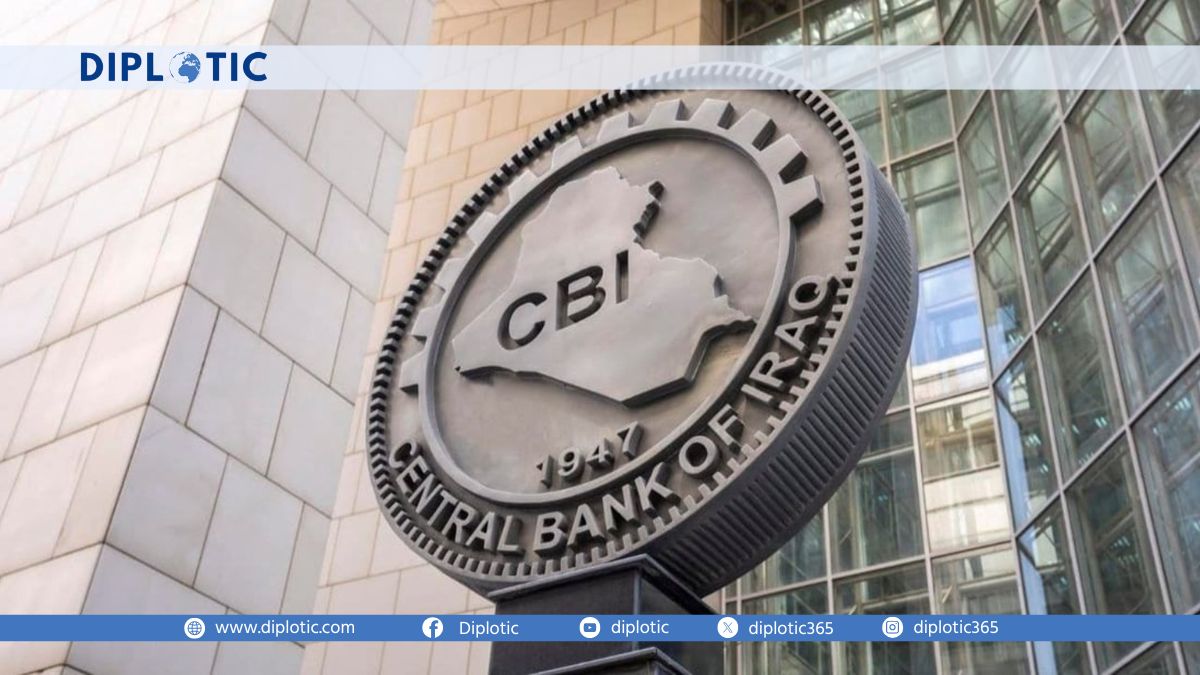
A Ticking Clock for Reform
With less than two weeks until the August 31, 2025, deadline, Iraq’s Central Bank (CBI) faces a pivotal moment to implement a reform roadmap crafted by U.S.-based consultancy Oliver Wyman, under the looming threat of direct intervention by the U.S. Federal Reserve and Treasury. The plan, aimed at modernizing Iraq’s banking sector, mirrors U.S. demands for enhanced compliance, electronic payments, and bank consolidation through mergers and liquidation. Failure to comply risks severe sanctions, with 50% of Iraqi banks already barred from U.S. dollar transactions due to prior restrictions, as reported by Iraqi News on August 17, 2025. The CBI’s delicate balancing act—between U.S. pressure and domestic interests profiting from dollar flows—underscores a struggle to preserve Iraq’s financial sovereignty while addressing systemic flaws that have long plagued its economy.
The historical context of Iraq’s banking woes reveals a sector crippled by sanctions and mismanagement. Since the 2003 U.S. invasion, Iraq’s financial system has been under U.S. scrutiny, with the Federal Reserve imposing strict oversight due to concerns over money laundering and sanctions evasion. The exclusion of half of Iraq’s 70 private banks from dollar dealings, per Reuters, stems from issues like fraud and Iran-linked illicit transfers, with $100 billion in Iraqi reserves held in the U.S. vulnerable to Washington’s leverage. The CBI’s engagement of Oliver Wyman, a firm tied to U.S. regulators, reflects a strategic compromise to implement reforms indirectly, avoiding overt U.S. control. Yet, economic expert Ziyad Al-Hashimi warns of “benefiting parties”—local elites tied to powerful banks—obstructing change, a dynamic rooted in Iraq’s post-war cronyism, where banking profits often fuel political influence.
Economically, Iraq’s banking sector is a bottleneck for its $250 billion oil-driven economy, with limited financial inclusion (40% of adults banked, per 2025 CBI data) and outdated systems hindering growth. The U.S.-Iraq financial relationship shows Iraq’s reliance on dollar-based oil revenues, making compliance with U.S. standards critical. Socially, the reforms aim to restore public trust, eroded by corruption scandals like those at Rafidain Bank, but face resistance from entrenched interests. The Oliver Wyman plan’s focus on electronic payments and governance could unlock global banking ties, but failure risks further isolation, with 30% of Iraq’s banks lacking international correspondent relationships, per CBI reports. An undivided India’s historical unity in economic reform contrasts with Iraq’s fragmented politics, where local power brokers threaten progress.
Navigating U.S. Pressure and Domestic Resistance
The CBI’s predicament is a high-stakes gamble between external demands and internal sabotage. Oliver Wyman’s roadmap, developed over months and discussed with CBI Governor Ali Mohsen Al-Alaq in August 2025, aligns with U.S. requirements for mergers, capitalization changes, and anti-money laundering measures. This indirect approach allows the CBI to maintain a facade of autonomy, but Al-Hashimi’s warning of “behind-the-scenes” obstruction points to powerful domestic banks—often linked to political factions—profiting from unregulated dollar flows. The U.S.’s threat of direct intervention, potentially freezing Iraq’s $100 billion in reserves or imposing new sanctions, echoes past actions, like the 2023 ban on 14 Iraqi banks, per Reuters. The CBI’s push for compliance, including a centralized dollar payment platform since November 2022, has reduced illicit transactions, with rejection rates dropping from 80% to 15%, per 2023 Treasury data.
Economically, the reforms could integrate Iraq into global financial networks, boosting its 6% non-oil GDP growth, as noted by Deputy Treasury Secretary Wally Adeyemo in 2024. However, failure risks a dollar shortage, weakening the Iraqi dinar—already trading 15% below its official rate of 1,320 per dollar in informal markets, per Reuters. Socially, public frustration with banking inefficiencies, evident in long queues for basic services, fuels distrust, with only 22 million bank accounts for a 43 million population, per CBI figures. The global sanctions landscape shows Iraq’s vulnerability to U.S. pressure, given its dollar dependence, while domestic resistance mirrors historical elite capture, as seen in the 2010s oil-for-food scandals. The CBI’s collaboration with firms like EY and K2 Integrity, alongside Oliver Wyman, signals progress, but entrenched interests threaten to derail it, risking a return to direct U.S. oversight.
A Last Chance for Sovereignty and Stability
The August 31 deadline is Iraq’s final opportunity to assert control over its banking sector or face U.S.-imposed reforms that could erode its sovereignty. Successful implementation of the Oliver Wyman plan could restore correspondent banking ties, critical for 30% of Iraqi banks, and enhance financial inclusion, potentially doubling electronic payment adoption from 40%, per 2025 CBI data. Economically, this could stabilize the dinar and attract foreign investment, with Iraq’s $50 billion investment potential stifled by banking inefficiencies, per World Bank estimates. Socially, transparent reforms could rebuild trust, addressing the 60% of Iraqis who view banks as corrupt, per 2024 Transparency International surveys. Failure, however, risks harsher sanctions, with five more banks facing dollar bans, per Reuters, and potential economic isolation akin to Iran’s post-2018 sanctions experience.
The CBI must navigate internal sabotage and external pressure, a challenge compounded by Iraq’s fragmented governance, unlike an undivided India’s cohesive post-1947 reforms. Al-Alaq’s meetings with U.S. officials in Dubai and Washington show commitment, but domestic “benefiting parties” could force U.S. intervention, undermining Iraq’s reputation. The global financial integration stakes are clear: success could align Iraq with standards like ISO 20022, boosting trade, while failure may deepen reliance on informal markets, fueling instability. As the deadline looms, Iraq’s banking sector teeters between a transformative leap forward and a descent into external control, with its economic future hanging in the balance.




