

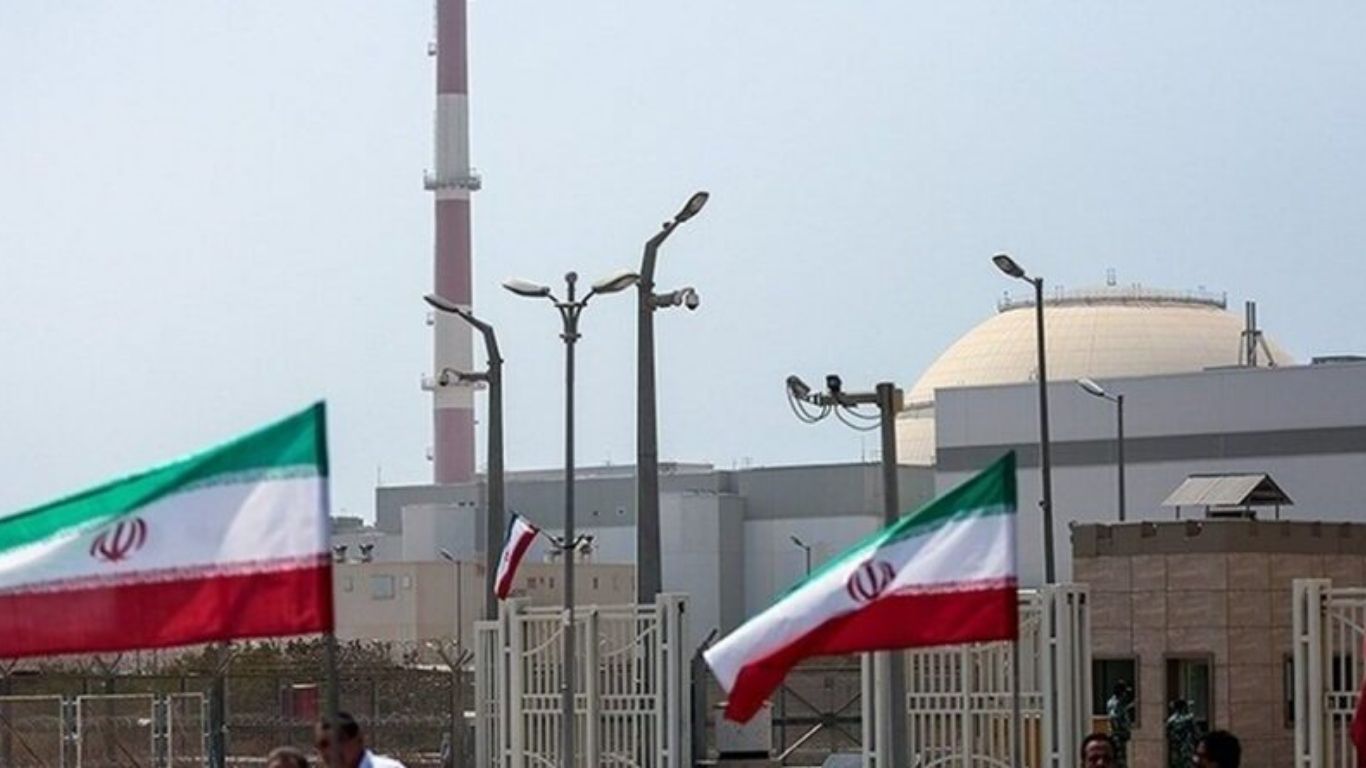
The recent US and Israeli military strikes on Iran’s nuclear facilities have reignited global debate over the future of Tehran’s nuclear ambitions. As a fragile ceasefire holds, conflicting assessments about the scale of damage and the prospects for diplomacy or further escalation dominate headlines.
The 12-Day War: A Turning Point in the Iran Nuclear Crisis
The 12-day conflict, which erupted on June 13, 2025, marked a dramatic escalation in the decades-long standoff over Iran’s nuclear program. Israeli airstrikes targeted key Iranian nuclear sites, followed by US bunker-buster and cruise missile attacks on Fordow, Natanz, and Isfahan on June 22. Iran retaliated with missile strikes on Israel and US bases, before a US- and Qatari-brokered ceasefire took effect on June 24.
Key Sites Targeted
- Fordow: Deep underground enrichment facility, heavily bombed by US and Israeli forces.
- Natanz: Iran’s largest uranium enrichment site, suffered significant above-ground and electrical infrastructure damage.
- Isfahan: Critical for uranium conversion and research, hit multiple times during the conflict.
Conflicting Assessments: How Much Damage Was Done?
US and Israeli Claims
US President Donald Trump and Israeli Prime Minister Benjamin Netanyahu declared the strikes a resounding success, claiming Iran’s nuclear threat was “obliterated” and the facilities “completely destroyed”. Pentagon officials later offered a more measured assessment, estimating the attacks set back Iran’s nuclear program by one to two years.
Intelligence and IAEA Reports
A leaked US Defense Intelligence Agency (DIA) report suggested the strikes delayed Iran’s nuclear capabilities by only a few months a finding dismissed by the Trump administration as “low-confidence”. The International Atomic Energy Agency (IAEA) confirmed “enormous damage” to key sites, especially Fordow, which was described as “no longer an operational facility.” However, IAEA chief Rafael Grossi cautioned that Iran could resume uranium enrichment within months, highlighting the resilience of Iran’s nuclear infrastructure.
Iranian Response
Iranian leaders acknowledged “serious and heavy” damage, particularly at Fordow, but insisted the core of their nuclear program survived and vowed to rebuild. Supreme Leader Ayatollah Ali Khamenei and Foreign Minister Abbas Araghchi maintained that Iran’s nuclear activities would continue, framing the program as a symbol of national pride and defiance.
The Fate of Iran’s Uranium Stockpile
A major uncertainty is the status of Iran’s highly enriched uranium. Prior to the attacks, Iran’s stockpile of uranium enriched to 60% close to weapons-grade was estimated at over 400 kg, with total enriched uranium exceeding 9,200 kg as of May 2025. Some reports suggest Iran may have relocated its most sensitive material to fortified sites before the strikes, but the exact location and condition of the stockpile remain unknown.
Can Iran Rebuild?
Despite the destruction of centrifuges and infrastructure, experts agree that Iran retains the technical knowledge and industrial base to eventually restore its nuclear program. While rebuilding centrifuges could be achieved relatively quickly, replenishing any lost uranium stockpile would take much longer.
- Centrifuge production: Iran has demonstrated the ability to manufacture advanced centrifuges domestically.
- Uranium enrichment: The IAEA warns that Iran could resume enrichment activities within months if it chooses.
- Scientific expertise: Despite assassinations and attacks, Iran’s cadre of nuclear scientists remains largely intact.
Diplomacy vs. Deterrence: The Political Fallout
Hardening Positions
The attacks have intensified debate within Iran, with hardliners pushing for nuclear weaponization as a deterrent. While Iran officially maintains its program is peaceful, the internal debate is shifting toward those advocating for a nuclear deterrent, especially in the wake of military strikes.
The Diplomatic Path
Efforts to revive negotiations face significant obstacles:
- US stance: The Trump administration’s “zero-enrichment” policy remains a non-starter for Iran, making talks difficult.
- Sanctions relief: Iran demands substantial economic incentives and security guarantees as preconditions for any new deal.
- Regional mediation: Qatar and US envoys are working to lay the groundwork for renewed talks, but mutual distrust lingers.
The Role of the IAEA
Iran has suspended, but not ended, cooperation with the IAEA, further complicating verification and monitoring efforts. The agency’s May report on Iran’s uranium accumulation was cited by some in Tehran as a pretext for the attacks, fueling criticism of the IAEA’s impartiality.
The High Stakes of Diplomacy and Deterrence
The future of Iran’s nuclear program hangs in the balance. While US and Israeli strikes have inflicted severe damage, they have not eliminated Iran’s nuclear potential. The coming months will be critical as both sides reassess their strategies. Without a robust diplomatic breakthrough, the risk of renewed escalation and a potential nuclear arms race in the Middle East remains dangerously high.




