

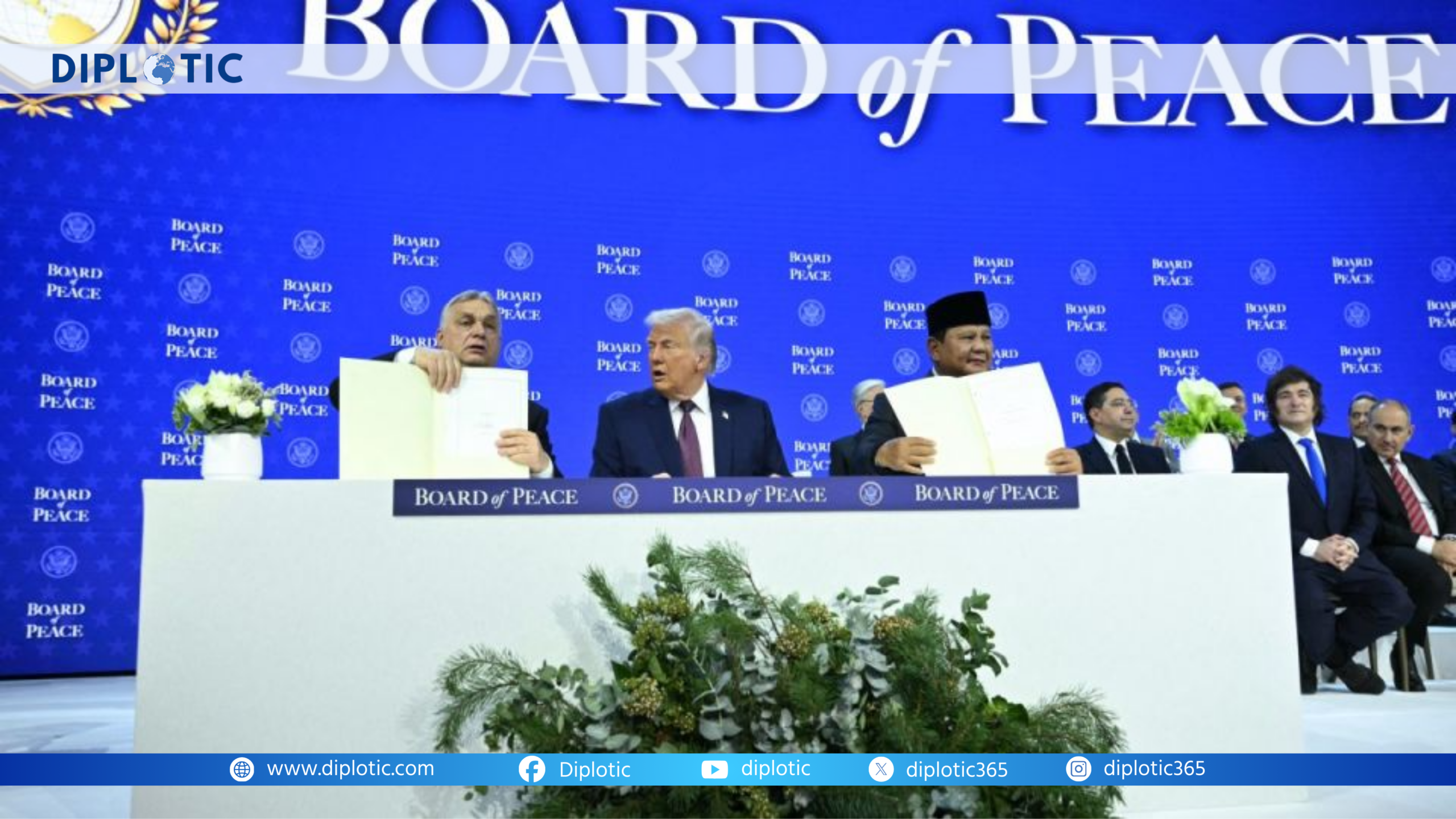
Indonesia has taken a cautious step into a U.S.-led diplomatic effort called the Board of Peace, aimed at addressing the Gaza crisis. On January 22, 2026, President Prabowo Subianto signed the charter alongside leaders like Hungary’s Viktor Orban at the World Economic Forum in Davos. U.S. President Donald Trump launched the board to oversee a ceasefire and new governance in Gaza, with potential applications to other conflicts. Yet within days, Indonesian officials signaled they might withdraw if the initiative fails to advance Palestinian independence. Foreign Minister Sugiono made this clear after meetings with religious and diplomatic leaders, stressing that sovereignty for Palestine remains the core benchmark. This conditional stance balances Indonesia’s support for Palestine with domestic pressures from Muslim groups and skeptics wary of aligning with a process involving Israel. As the board takes shape, questions arise about whether Indonesia’s involvement will yield real progress or expose it to political risks at home and abroad. The decision reflects Prabowo’s push for a more active global role while managing sensitivities in a country where Palestinian issues resonate deeply.
What Prompted Indonesia’s Warning on the Board of Peace?
The Board of Peace emerged from Trump’s efforts to broker stability in Gaza after ongoing violence. The charter, signed by Prabowo and others, sets up a body to monitor the ceasefire and guide governance changes. Trump has claimed credit for ending several conflicts, including this one, though violence persists with reports of 414 Palestinian deaths and 1,145 injuries from October to December 2025. Indonesia’s participation surprised many, given its long-standing pro-Palestine position and no formal ties with Israel.
Prabowo’s team framed the move as a way to influence outcomes for Palestinians. Foreign Minister Sugiono explained that Indonesia joined to push for benchmarks like ending aggression and achieving statehood. He noted the board is still forming, with no fixed office or secretariat yet. This uncertainty fueled the warning: if core goals like Palestinian sovereignty are not met, Indonesia will exit. The statement came after Prabowo met Islamic leaders on February 3, including from Muhammadiyah, Nahdlatul Ulama, and the Indonesian Ulema Council. Ulema vice-chairman Cholil Nafis relayed Prabowo’s assurance that Indonesia would not back positions against its views and is ready to withdraw if needed.
Parallel insights show Indonesia’s history of cautious diplomacy on Palestine. As the world’s largest Muslim-majority nation, public sentiment strongly supports Palestinian rights, seen in protests and aid efforts. Past leaders avoided direct engagement with Israel-linked initiatives to avoid backlash. Prabowo’s outreach to stakeholders—over 50 religious figures in one meeting—aims to build buy-in. Analysts note this manages risks, as critics fear the board could sideline Palestinian interests. The financial aspect adds layers: permanent membership requires a US$1 billion payment, potentially from defense budgets. Indonesia has not committed yet, but the fee raises questions about value if goals fail. This warning signals resolve to protect national principles while testing the board’s potential.
How Has Prabowo Managed Domestic Backlash to Participation?
Prabowo’s decision drew quick criticism at home. Muslim groups and political figures questioned joining a U.S.-led effort with Israel involved, fearing it dilutes Indonesia’s pro-Palestine stance. Social media saw concerns from former diplomats like Dino Patti Djalal, who initially raised issues about equality in the board and Indonesia’s influence. To address this, Prabowo held back-to-back meetings: first with religious leaders on February 3, then with former foreign ministers on February 4.
In the religious meeting, Prabowo explained the board as a tool to end suffering in Gaza. Participants like Nafis noted assurances of flexibility: Indonesia can dissent or leave if needed. The government’s communication agency later said the talks provided comprehensive clarity on foreign policy. The diplomatic session saw similar explanations, with Prabowo stressing benefits for Palestine. Djalal, initially skeptical, called it the only viable option on the table, though an experiment without guarantees. He highlighted risks from Israel’s role but supported it as a way to stop ceasefire violations.
These engagements show Prabowo’s strategy: listen, explain, and consolidate views. Analysts like Dedi Dinarto from Global Counsel see it as testing opinions rather than imposing policy. Yohanes Sulaiman from Jenderal Achmad Yani University notes the political toxicity but praises the outreach for persuasion. Related angles include Prabowo’s broader foreign policy shift toward active global engagement, seen in Davos participation. Domestically, it navigates sensitivities in a nation where Palestine symbolizes solidarity. By framing the board as humanitarian diplomacy, Prabowo aims to align it with national values. Yet skeptics remain, fearing diluted influence or alignment with U.S. agendas.
What Are the Risks and Benefits for Indonesia’s Role in the Board?
Joining the Board of Peace offers Indonesia a seat at a table shaping Gaza’s future. As a major Muslim nation, it could advocate for Palestinian statehood directly. Prabowo’s team sees it as strategic: influence outcomes without formal Israel ties. Benefits include boosted diplomatic profile, aligning with Prabowo’s vision of Indonesia as a global player. It could foster economic ties through peace-building funds or aid roles.
Risks are significant. Domestically, backlash from groups seeing it as compromise could erode support ahead of future elections. Israel’s involvement raises fears of sidelining Palestinian voices. The US$1 billion fee for permanent status strains budgets, with questions on returns if goals fail. Analysts like Dinarto note the need for meaningful influence; otherwise, it appears as alignment without gains. Sulaiman highlights Prabowo’s global ambitions but warns of trade-offs.
Broader context includes Indonesia’s history of neutral diplomacy, supporting Palestine through UN votes and aid. The board tests this: join a U.S.-led effort or stay independent? Regional parallels show mixed outcomes in similar initiatives. Benefits could include stronger U.S. ties, aiding trade. Risks involve public distrust if violence continues, damaging Prabowo’s image. The conditional stance—exit if benchmarks unmet—mitigates some dangers but requires vigilant monitoring.
Why Does This Reflect Broader Shifts in Indonesian Foreign Policy?
Indonesia’s conditional involvement signals Prabowo’s push for proactive diplomacy, moving from observer to influencer. Past administrations focused on non-alignment, avoiding U.S.-led conflicts. Prabowo seeks bolder engagement, seen in Davos and multilateral forums. This fits his military background and economic goals, using diplomacy for investment and stability.
On Palestine, Indonesia balances principle with pragmatism. Strong public support demands firm stances, but global ties require flexibility. The board tests this: advocate within a flawed system or risk isolation. Related angles include ASEAN dynamics, where Indonesia leads on regional issues. Success could enhance leadership; failure might strain unity.
Economic factors play in: peace in Gaza could stabilize oil markets, benefiting importers like Indonesia. Broader implications touch climate and trade talks, where active roles boost leverage.
Indonesia’s stance on the Board of Peace connects historical solidarity with Palestine to Prabowo’s ambitious present. Warnings of withdrawal show caution amid risks, balancing domestic views with global aims. As the board forms, outcomes will test this approach. Success could affirm Indonesia’s influence; failure might prompt reevaluation. In a multipolar world, such moves shape how emerging powers navigate power and principle, with lasting effects on regional peace efforts.




