Currents of Change: Assessing India’s Ganga Clean-Up Claims
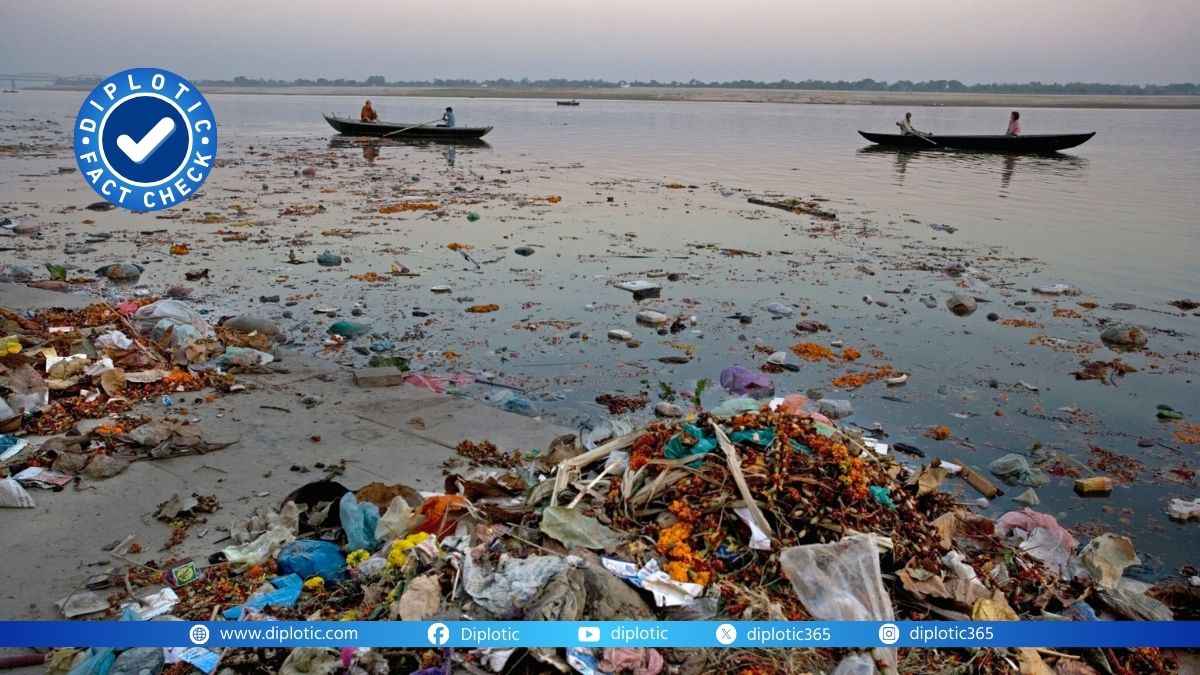
The Ganga River, often called Mother Ganga, flows through the heart of India for over 2,500 kilometers. It supports half a billion people with water for drinking, farming, and industry. For Hindus, it holds deep spiritual meaning as a path to purity and salvation. Yet for decades, it has carried the burden of sewage, factory waste, and trash, turning sacred waters into a health hazard. In 2014, the government launched the Namami Gange program with billions of rupees to restore it. By 2025, officials claim the clean-up is nearly done, pointing to new treatment plants and improved water tests. This matters because a truly clean Ganga could save lives—preventing diseases like cholera and skin infections—boost tourism, and protect fish and wildlife. But if claims overstate progress, it delays real fixes, wastes public money, and erodes trust in leaders. Doubts come from independent tests showing ongoing pollution, raising questions about transparency and long-term plans. This article looks at five key claims, weighing government reports against outside checks from scientists, green groups, and courts. It draws on history and culture to explain why cleaning the Ganga is more than a technical job—it’s tied to India’s identity and ethics.
Claim 1: The Ganga Is Now Clean Enough for Bathing and Drinking in Most Parts
Government officials often say water quality has improved so much that the river is safe for bathing along much of its length, and even drinkable in some spots. They cite tests during events like the 2025 Maha Kumbh Mela in Prayagraj, where millions dipped in the waters.
Checks from multiple sources show this is not fully accurate. The Central Pollution Control Board (CPCB), a government body, monitors water at many points. Their 2025 data for January to August notes some stretches meet bathing standards—meaning low levels of bacteria and oxygen for fish—but many do not, especially near cities like Kanpur and Varanasi. Independent groups like the Sankat Mochan Foundation, which has tested the river for decades, found high fecal coliform (from human waste) in 2023 and 2025 samples, making water unfit for drinking or even safe bathing in key areas. Down to Earth magazine, a respected environment outlet, reported in 2025 that while flow helps during festivals, pollution spikes afterward.
Historically, the Ganga’s “self-cleaning” idea comes from its fast flow and oxygen-rich waters, a belief rooted in ancient texts praising its purity. But science shows this works only if pollution stays low; heavy sewage overloads it. Ethically, claiming safety when tests vary raises concerns—people bathe for faith, but incomplete clean-up risks their health. A trade-off appears: short-term event fixes like diverting drains succeed, but everyday pollution lingers.
Verdict: Misleading. Improvements exist in spots, but most of the river falls short of safe standards year-round.
Claim 2: Sewage Treatment Plants Have Covered Nearly All Pollution Sources Along the Ganga
The Namami Gange program highlights over 400 projects, including new plants to treat waste from cities and factories. Officials say this has plugged most sewage gaps, with treatment capacity now handling billions of liters daily.
Independent reviews paint a partial picture. The National Green Tribunal (NGT), India’s environment court, noted in 2025 that while plants are built, many run below capacity due to poor maintenance or power cuts. A 2025 report from the Centre for Ganga River Basin Management and Studies found untreated sewage still enters at hundreds of points, especially from small towns and villages. CPCB data confirms gaps: in Uttar Pradesh-West Bengal stretches, much water remains unfit due to ongoing dumps.
In context, India’s rapid city growth—adding millions yearly—outpaces infrastructure. Philosophically, this echoes a deeper issue: ancient river worship clashes with modern waste habits. Trade-offs show: big plants help cities, but ignoring rural drains and industry leaks means partial wins. Wider, it questions ethics—government funds flow, yet local corruption or weak enforcement slows impact.
Verdict: Misleading. Many sources are treated, but coverage is incomplete, with ongoing leaks.
Claim 3: Biodiversity in the Ganga Has Fully Recovered to Pre-Pollution Levels
Claims point to sightings of dolphins, turtles, and fish as proof that life has returned, thanks to cleaner waters and protected zones.
Evidence from wildlife experts tells a different story. The Wildlife Institute of India, a government-linked body, reports in 2025 that Gangetic dolphins—once numbering thousands—remain critically low at around 2,000, hurt by dams and low oxygen. Independent studies from groups like WWF note fish diversity has dropped in polluted stretches, with invasive species rising. A 2025 assessment in the Journal of Earth System Science links ongoing chemicals to harm in river life.
Culturally, the Ganga teems with myths of sacred fish and turtles as divine messengers. Science adds that biodiversity needs steady clean water, not short fixes. Contradictions arise: dolphin projects succeed locally, but overall recovery stalls from dams blocking flows—a trade-off between power needs and ecology. Ethically, overstating revival could cut funds for ongoing work, impacting fishermen’s livelihoods.
Verdict: False. Some species rebound in areas, but full recovery is far off.
Claim 4: Pollution Levels Have Dropped by 70-80 Percent Due to Government Efforts
Officials often cite big reductions in biochemical oxygen demand (BOD)—a pollution measure—crediting treatment plants and bans on dirty industries.
Cross-checks reveal uneven progress. CPCB’s 2025 median data shows BOD improvements in some segments, but not the claimed scale—drops average 20-40 percent in monitored spots. Independent reports from the International Water Management Institute note persistent high levels near tanneries and cities, with little change in fecal pollution. A 2025 NGT filing highlights that while some indicators improve, others like heavy metals stay high.
Historically, past clean-ups like the 1985 Ganga Action Plan failed from poor execution, a pattern repeating. Logically, partial treatment means partial drops—sewage reductions help, but factory leaks offset gains. Deeper implications: selective data highlights wins, hiding gaps—a hypocrisy that erodes public faith. Wider, it probes ethics of spending: billions spent, yet results lag, trading short-term claims for long-term health risks.
Verdict: Misleading. Reductions occur, but far short of 70-80 percent across the river.
Claim 5: Independent Experts Agree the Clean-Up Is Nearly Complete
Government reports often quote experts praising progress, suggesting broad consensus on success.
Outside views differ. In 2025, groups like the Centre for Science and Environment called for more action, noting untreated waste and weak enforcement. Scientists in a Down to Earth analysis questioned self-purification claims, stressing need for flow restoration. The NGT has repeatedly pulled up states for delays, with 2025 orders demanding fixes.
Socially, the Ganga’s clean-up ties to national pride, but philosophy asks: is “nearly complete” a goalpost shift? Contradictions: experts praise specific projects, yet criticize overall pace. Trade-offs: optimism boosts morale, but realism drives change. Ethically, incomplete consensus risks complacency, affecting downstream nations like Bangladesh sharing waters.
Verdict: False. Some progress noted, but experts see much work ahead.
The Ganga’s story blends hope and hurdles. Namami Gange has built plants and raised awareness, rooted in cultural reverence for the river as life-giver. Yet independent checks reveal gaps in coverage, maintenance, and measurement—echoing past efforts’ failures. Contradictions abound: funds flow, but results trickle; claims soar, but pollution lingers. Deeper, it spotlights ethics—leaders pledge purity, yet industries pollute with weak checks. Wider consequences: a half-clean river harms health, economy, and ecology, while full success could model global restoration. For India, true completion demands not just pipes, but cultural shifts toward stewardship. The Ganga flows on, waiting for actions to match words.