

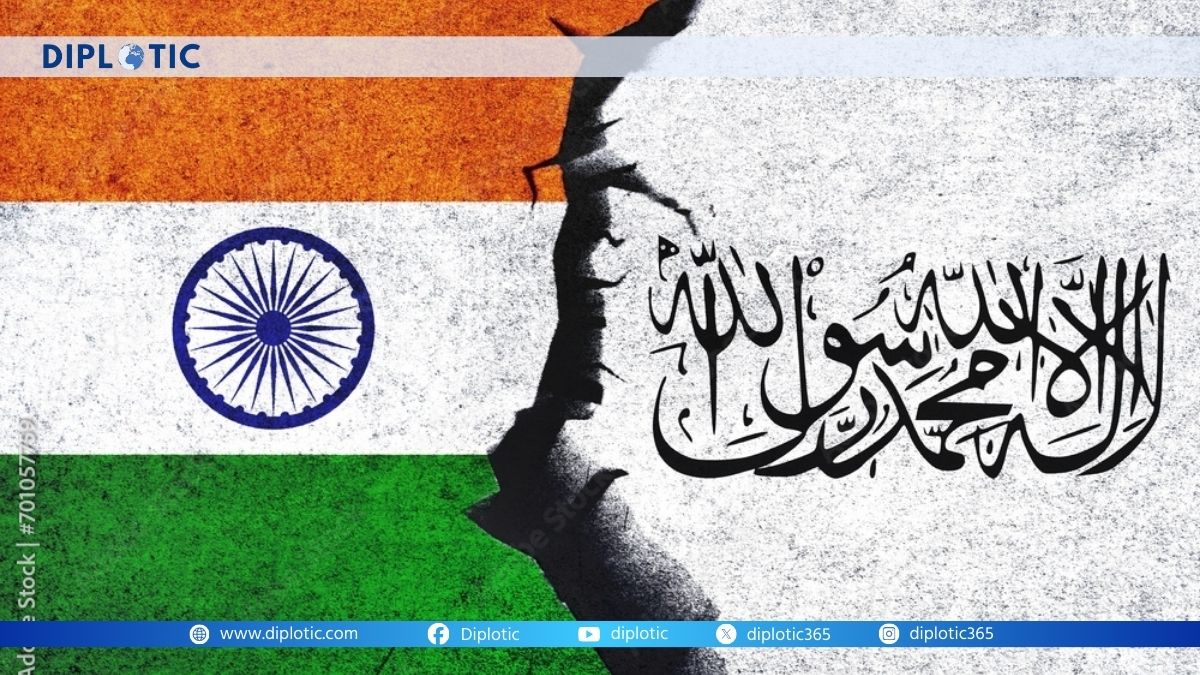
A Shift from Scorn to Strategy
In the corridors of South Asian diplomacy, where old grudges often dictate new alliances, India’s relationship with the Taliban stands as a tale of stark reversal. For over two decades, New Delhi viewed the Afghan militants as a singular force of terror, backed by Pakistan and bent on chaos. Leaders like Pranab Mukherjee and Narendra Modi drew firm lines, rejecting any talk of “good” versus “bad” Taliban and condemning their ideology as one of unrelenting violence. Yet, in the crisp November air of 2025, that narrative cracked open. Afghan Industry and Commerce Minister Alhaj Nooruddin Azizi, a former Hizb-e-Islami fighter from the anti-Soviet era, stepped off a plane in New Delhi for a five-day visit—the second high-level Taliban trip in weeks. Meetings with External Affairs Minister S. Jaishankar followed, sealing deals on air cargo routes and trade corridors via Iran’s Chabahar port, all while Pakistan-Afghanistan border clashes raged. This thaw, capped by India’s embassy upgrade in Kabul, signals not just pragmatism but a quiet pivot: from isolation to integration, driven by a mix of economic needs, security worries, and a chance to needle Islamabad. As Taliban officials pledge no Afghan soil for anti-India plots, the move invites scrutiny—what forces bent India’s ironclad principles, and at what cost to its global voice on rights and terror?
The change unfolds against a backdrop of flux. Since the Taliban’s 2021 return to power, India has funneled over a million tonnes of wheat aid and kept a technical team in Kabul, testing waters without full commitment. But 2025’s escalations—Pakistan’s border strikes, China’s deepening Afghan inroads—pushed New Delhi further. Azizi’s tour, focusing on investments in mining and light industry, underscores a bet on mutual gain: Afghanistan gains markets amid isolation, India secures Central Asian access without Pakistani chokepoints. Critics at home decry hypocrisy, pointing to women’s exclusion from Taliban press events in Delhi, yet officials frame it as “engagement without endorsement.” This dance raises deeper queries: Does necessity trump values, or does it reveal foreign policy as fluid as the Kabul River?
————————————————————
From Rigid Rejection to Reluctant Talks: Tracing India’s Long Anti-Taliban Line
India’s aversion to the Taliban took root in the late 1990s, when the group’s first rule in Kabul shattered New Delhi’s Afghan ties. Allying with the Northern Alliance against the Pakistan-backed militants, India closed its embassy in 1999 after the IC-814 hijacking, where Taliban soil sheltered the perpetrators. This stance hardened post-9/11, as Delhi saw the Taliban as extensions of Islamabad’s “strategic depth” doctrine—a buffer against India. By 2007, under Foreign Minister Pranab Mukherjee, the line was unyielding: “I don’t distinguish ‘good’ and bad Taliban; they have only one ideology: violence.” This echoed across administrations, framing engagement as legitimizing terror. India poured billions into Afghan reconstruction—roads like Zaranj-Delaram, schools, dams—backing the U.S.-led republic as a counterweight, while shunning Taliban overtures.
Narendra Modi’s era amplified the rhetoric. In his 2015 Dubai speech, he thundered, “Good Taliban, Bad Taliban… this won’t work. Decide: Are you with terrorism or humanity?” This moral clarity served dual ends: domestically, it rallied nationalists; regionally, it isolated Pakistan, accused of harboring Taliban factions like the Haqqani Network behind attacks on Indian assets, including the 2008 Kabul embassy bombing that killed 58. New Delhi opposed U.S.-Taliban Doha talks, insisting on “Afghan-led” processes excluding extremists, and critiqued global powers for factional distinctions that diluted anti-terror resolve.
This policy’s pillars were security and solidarity. India feared a Taliban haven for Kashmir-focused groups like Lashkar-e-Taiba, whose Afghan training camps once fueled cross-border raids. Human rights factored too: Taliban bans on girls’ education and women’s work clashed with India’s democratic self-image, prompting UN advocacy for inclusive Afghan governance. Economically, pre-2021 investments—$3 billion in projects—evaporated, stranding workers and funds. Yet, even as the republic crumbled in 2021, India evacuated its embassy but dispatched aid convoys, signaling a pragmatic undercurrent amid the freeze.
Fast-forward to early 2025: subtle cracks appeared. Foreign Secretary Vikram Misri’s January Dubai meeting with Taliban Foreign Minister Amir Khan Muttaqi broke ice, followed by May’s Pahalgam attack condemnation from Kabul—a rare alignment. But Muttaqi’s October six-day Delhi visit marked the pivot: embassy upgrades, air links to Kabul and Kandahar, sports ties, and healthcare pledges. Azizi’s November follow-up operationalized these—cargo flights from Delhi and Amritsar, Chabahar routes for Afghan minerals—bypassing Pakistan’s closed borders. No formal recognition yet—Russia holds that solo honor—but de facto channels flow, with Taliban pledges against anti-India soil use.
This evolution mirrors global trends: Central Asian states delist Taliban as terrorists, seeking stability. For India, it’s less ideology than calculus—Pakistan’s TTP woes strain its Taliban leash, opening wedges. Yet parallels to past U.S. “good Taliban” gambles, which birthed blowback, whisper caution: does selective embrace risk empowering hardliners, or forge a bulwark against shared foes? As Delhi navigates this, the old red lines blur, revealing policy as a map redrawn by circumstance.
————————————————————
November’s Turning Point: Azizi’s Visit and the New Pragmatism
Azizi’s arrival on November 19, 2025, unfolded like a quiet revolution. Greeted by Ministry of External Affairs spokesperson Randhir Jaiswal, the minister—hailing from Panjshir, a Taliban foe—toured the India International Trade Fair, scouting Afghan stalls for deeper ties. Over five days, he met Commerce Minister Piyush Goyal and Jaishankar, inking air freight corridors linking Delhi, Mumbai, Amritsar to Kabul and Kandahar—vital as Pakistan’s Torkham and Chaman crossings shuttered amid clashes. Chabahar emerged central: India’s $500 million port investment now funnels Afghan exports like fruits and nuts, while importing Indian pharma and rice, easing Kabul’s sanctions squeeze.
This built on Muttaqi’s October blueprint: embassy restoration, sports pacts, hydro projects. Taliban rhetoric softened—Azizi hailed India’s “inclusive environment” for Afghan Hindus and Sikhs, pledging business security. For India, gains are tangible: Central Asian energy via TAPI pipeline, minerals from Afghan mines, countering China’s CPEC dominance. Amid Pakistan’s accusations of Taliban TTP harboring, Delhi positions as Kabul’s reliable partner, urging anti-terror curbs on groups like LeT.
Yet pragmatism’s edges cut. Media glossed human rights gloss-overs: Taliban bans persist, women’s exclusion from Muttaqi’s Delhi presser drew opposition fire from CPI’s D. Raja, decrying “misogyny on Indian soil.” BJP outlets reframed engagement as “humanitarian duty,” minimizing contradictions. Related angles surface: Taliban factionalism—Kandahar hardliners versus Kabul pragmatists—lets India court the latter, echoing U.S. Doha errors. Economically, bilateral trade hit $1.5 billion in 2025, up 20%, but sanctions hobble full flow.
Background ties to broader shifts: Russia’s 2025 delisting, Central Asia’s thaw. For Delhi, it’s “Neighbourhood First” reloaded—stability via stakes, not sermons. But as Azizi departed, whispers lingered: does this “necessary evil” bolster security, or embolden extremists, turning yesterday’s foe into tomorrow’s regret?
————————————————————
Strategic Wins and Moral Costs: The High Stakes of India’s Taliban Bet
India’s pivot yields clear edges. Security: Taliban vows—no soil for anti-India outfits—eased post-Pahalgam fears, with Kabul condemning the April strike. This undercuts Pakistan’s leverage, as TTP clashes divert ISI focus westward. Economically, Chabahar-Taliban links bypass Wagah, securing $2 billion in potential mining deals. Regionally, it counters Beijing’s Afghan inroads, aligning with SCO trilateral pushes for inclusive governance.
Yet costs mount. Credibility erodes: Once a rights beacon, India’s silence on Taliban bans—girls’ education halted since 2021—draws UN ire. Domestically, opposition like Congress slams “all Taliban good now,” tying to Kashmir narratives. Parallels to U.S. 2001-2021 follies: faction bets bred betrayal. Broader: empowering hardliners risks IS-KP blowback, with 2025 attacks up 40%.
Parallel insights: Iran’s Taliban ties for Shia security; Russia’s for post-Soviet buffers. For India, it’s Pakistan-centric—exploiting rifts—but overlooks Taliban unity under Akhundzada. As 2025 closes, gains tempt, but history warns: convenience’s fruits often sour.
————————————————————
Conclusion: Principles or Power Plays in Delhi’s Afghan Reckoning?
India’s Taliban tango, from Mukherjee’s rebukes to Azizi’s handshakes, lays bare foreign policy’s core: interests over ideals, when stakes align. The 2025 thaw—embassies reopened, cargos aloft—secures flanks and fills voids left by frayed pacts. Yet, as Taliban flags fly in Delhi and rights fade to footnotes, the mirror reflects a nation questioning its moral compass. Pakistan watches warily, China maneuvers quietly, and Afghans endure. True steadiness demands balance: engage for stability, but anchor in accountability—lest yesterday’s villains become tomorrow’s vulnerabilities, and India’s voice, once resolute, rings hollow in the Hindu Kush winds.




