

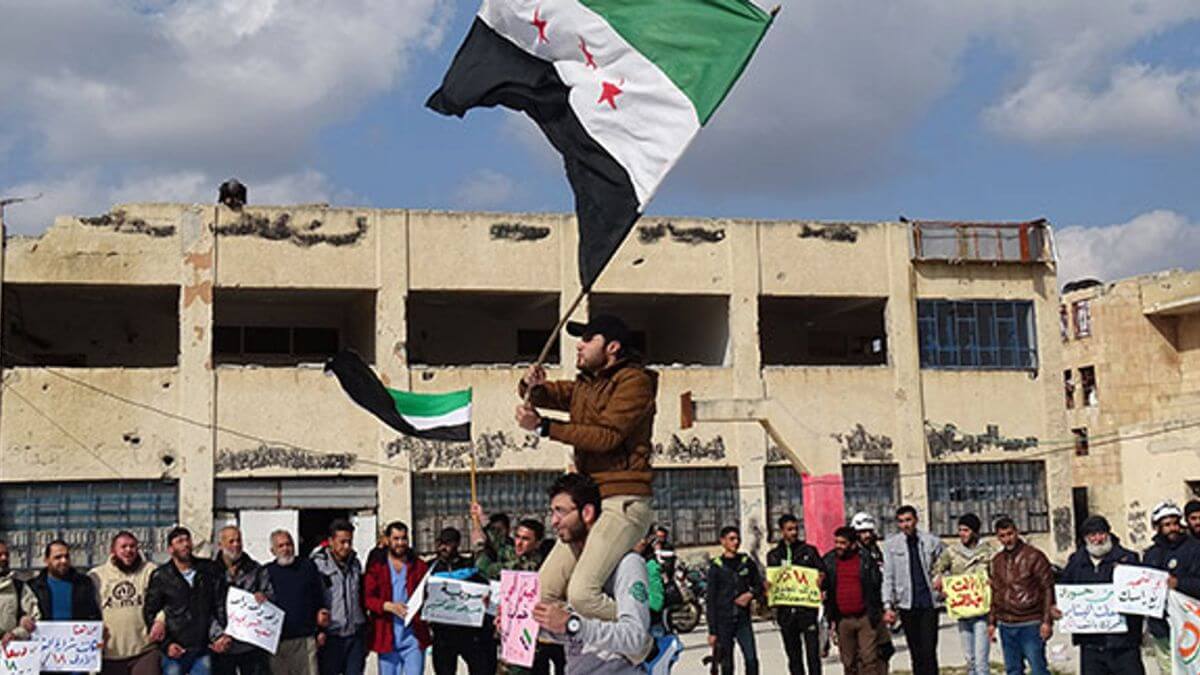
Sunni and Shia communities coexist in different countries of the world. Among these, the most notable countries are Syria, Iraq, Lebanon, Bahrain, Iran, Türkiye, and Pakistan. In each country, the relationship between these two groups is diverse. Somewhere it is relatively peaceful, while somewhere it has turned into extreme hostility.
Main reasons for determining the relationship
There are three main factors that influence the determination of Sunni and Shia relations: The first one is the type of Shia community involved (such as Twelver Imami, Zaydi, or Alawite). The second one is which sect is at the head of the country’s governance system—Sunni or Shia—and the last one is the population balance between the two.
Doctrinal differences
Among Sunnis, the Alawites have the worst relationship. They are the most ideologically different from Sunnis and are often considered outright infidels. On the other hand, the Zaydis are ideologically closest to the Sunnis and are recognized as Muslims.
The Twelver Imami Shias are in between these two extremes. They believe that the caliph or Imam is chosen by the command of Allah Almighty and through the interpretation of the Prophet (peace be upon him). But the Sunni Muslims believe that who will occupy this position is a matter of election or selection too. They are closer to the Sunnis than the Alawites, but not like the Zaydis.
A group of Shias used to speak obscenely to Hazrat Ameer Muawiyah (may Allah be pleased with him) at different times, which directly contradicts the rule of Shari’ah. Many others make various ugly statements about various companions. These people are responsible for the destruction of the faith of ordinary Muslims.
Rule and Discrimination
In cases where Shiites have ruled Sunnis, Sunnis have sometimes been treated unfairly, even many of Sunnis get killed! Similarly, Shiites under Sunni rule have also been discriminated against in some cases. Currently, the Shias in Syria, Iraq, and Iran rule over the Sunnis.
Because of the Twelver Imami Shia majority in Iraq and Iran, they are not under severe pressure from Sunni hegemony, and the incidence of discrimination is relatively low.
The situation in Syria
The Shiite community in Syria is the Alawites, who are a small minority, about 10-15% of the population. Since the 1960s, they have controlled the country’s governance through coups and nepotism. In order to maintain power, they have adopted extremely discriminatory policies against the Sunni population and maintained Alawite dominance in government and the military.
Even so, the Alawites have adopted extreme policies of oppression to maintain control over the Sunni population. The 1982 Hama massacre is a notable example, in which about 30,000 Sunnis were brutally killed.
Background to the Syrian Civil War
The Syrian civil war has claimed an estimated 600,000 lives. The Syrian government and its allies have killed about 400,000 people.
The Syrian experience highlights the complexity of Sunni-Shia relations. However, the situation in other regions is different. The biggest challenge in the Muslim world is the imperialist policies of the United States and Israel, which are creating divisions among Muslim countries.
The solutions
The first solution could be a just government established instead of the current regime in Syria. Another could be the rights of the protection of the Sunni majority. The third one could be the unity and the strategic relations between Muslim countries maintained, and another solution could be active initiatives taken to counter the influence of the United States and Israel.




