

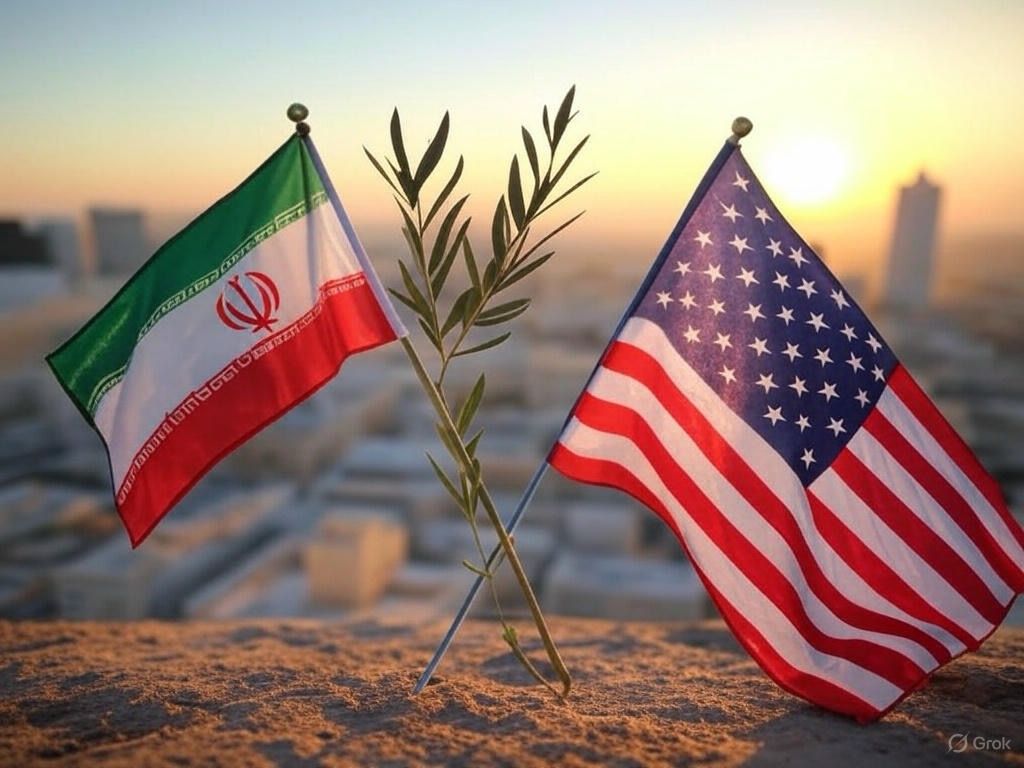
In a world often heavy with conflict, a flicker of hope emerged on April 12, 2025, as Iran and the United States sat down in Oman to talk—really talk—about taming Tehran’s nuclear ambitions. These Iran-U.S. nuclear talks, held in the quiet, welcoming city of Muscat, felt like a rare moment of possibility. Both sides called the day “positive” and “constructive,” and they’ve already penciled in next Saturday to keep the conversation going. It’s not a done deal, but it’s a start, and that’s something to hold onto.
A Human Connection Amid Tension
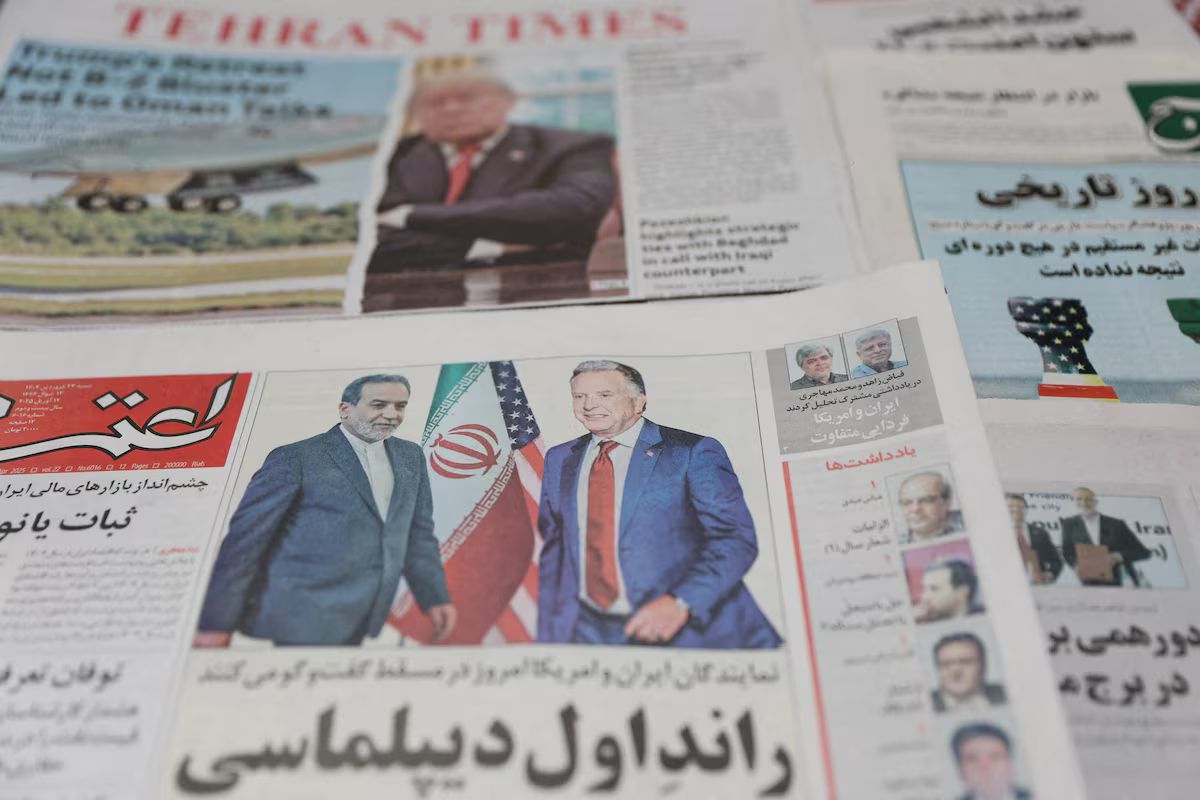
Picture this: two groups of people, worlds apart in ideology, sitting in separate rooms in Oman, passing messages through a trusted go-between. That’s how the Iran-U.S. nuclear talks unfolded, with Oman’s foreign minister playing the role of patient mediator. Iran’s Foreign Minister Abbas Araqchi, a seasoned diplomat with a knack for steady words, described the vibe as “calm and productive.” “We’re close to finding common ground,” he told folks back home on Iranian TV, his voice carrying a mix of caution and hope.
On the U.S. side, Trump’s Middle East envoy Steven Witkoff and Ambassador to Oman Ana Escrogima led the charge. The White House later shared their take: the talks were “a step forward” toward something that could benefit everyone. And then, in a small but human moment, Araqchi and Witkoff crossed paths as they left the talks. They exchanged a few words—nothing earth-shattering, just polite nods in the presence of their Omani host. But in diplomacy, those fleeting moments can mean more than they seem.
Why This Matters to Real People
The Iran-U.S. nuclear talks aren’t just about uranium or sanctions—they’re about families, communities, and futures. Iran’s nuclear program, now enriching uranium to 60% purity, has the West and Israel on edge, worried it’s a step toward a bomb. Iran says it’s just for power plants, but the fear is real, and President Trump’s been blunt, warning of military action if no deal comes. That’s a scary thought for anyone who knows the cost of war—mothers in Tehran, workers in Tel Aviv, or fishermen along the Gulf.
Yet, there’s a shared longing for peace. Araqchi spoke of wanting a quick agreement, not endless debates. Trump, in his own way, hinted at progress, saying on Air Force One, “The Iran thing’s going pretty good, I think.” It’s classic Trump—gruff but guardedly optimistic. Behind the scenes, Iran’s Supreme Leader, Ayatollah Ali Khamenei, gave Araqchi the green light to negotiate fully, a sign that Tehran’s ready to deal, even if it’s holding firm on keeping its missiles out of the conversation.
Oman’s Warm Bridge Between Worlds
Oman deserves a shoutout for making these Iran-U.S. nuclear talks possible. This small Gulf nation has a big heart for diplomacy, having helped free prisoners and ease tensions before. On Saturday, its mediators worked tirelessly, carrying notes back and forth for over two hours. They created a space where both sides could speak honestly without the pressure of a face-to-face showdown, which Iran wasn’t ready for. An Omani insider shared that the talks touched on calming regional fights, swapping prisoners, and maybe easing some U.S. sanctions if Iran dials back its nuclear work. It’s practical stuff that could change lives.
The Bigger Picture: A Region Holding Its Breath
The ongoing conflicts in Gaza and Lebanon coupled with Iranian missiles targeting Israel along with disorder in Syria have been exhausting for everyone in the region. Every person involved within the conflict zone faces extreme exhaustion. The nuclear dialogue between Iran and the United States provides an opportunity to make tensions between the nations less intense. Failure of the talks presents the risk of worsening conditions since Iran issued warnings to countries considering U.S. base establishment. Every stakeholder including Dubai merchants and Ohio farmers stands against the escalation of oil prices which follows any conflict between Iran and the USA.
Russia’s representative to Vienna Mikhail Ulyanov described the discussions as “encouraging” which matches the opinion of many observers. Both sides maintain considerable distance from each other like individuals who try to reach a common meeting location despite staying in separate urban areas. The United States demands Iran to decrease its nuclear activities as Iran requests an end to economic sanctions targeting inhabitants. Any consensus that bridges this gap will prove quite difficult to establish.
A Glimmer of What’s Possible
As the Iran-U.S. nuclear talks gear up for round two, there’s a quiet hope in the air. Next Saturday could bring more clarity—maybe a plan for limited deals, like fewer sanctions for fewer centrifuges, or even bringing prisoners home. It’s not a fairy tale ending, but it’s a chance for real progress. For now, the world’s watching, rooting for these talks to keep the peace and prove that even the toughest conversations can lead to something good.




