

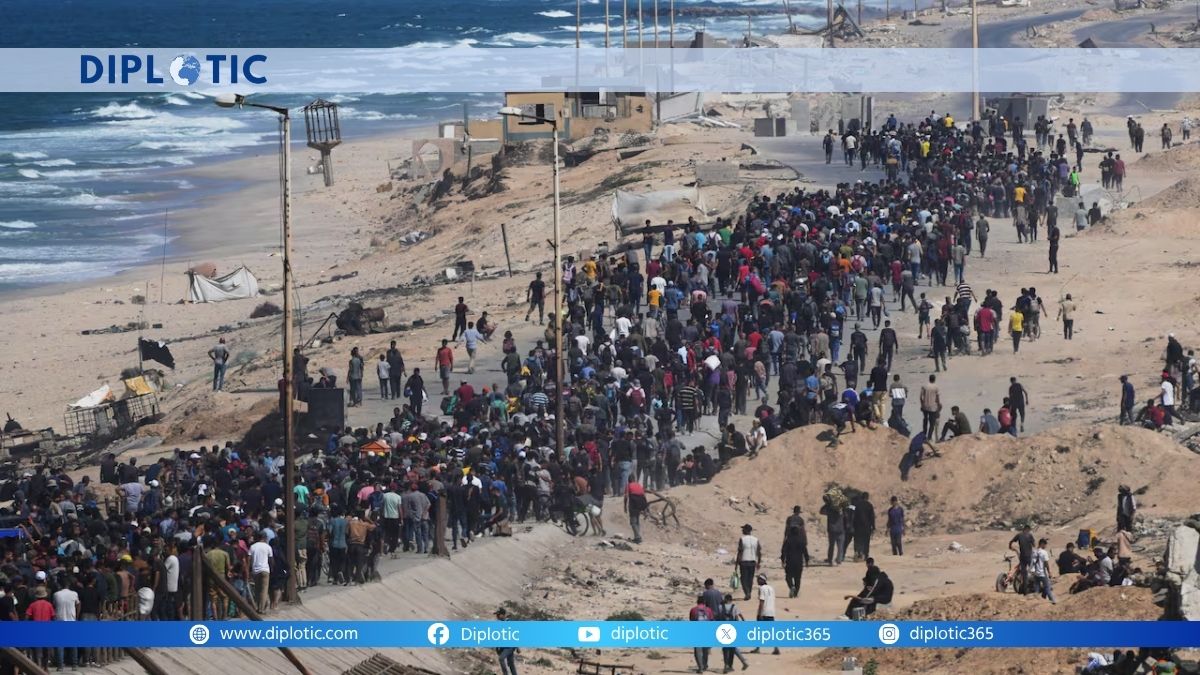
As the world stepped into 2026 with celebrations, resolutions, and promises of renewal, Gaza entered the year in silence and exhaustion. For people inside the strip, time no longer moves in months or seasons. It moves in shortages, bombardments, ceasefires that fail, and long days spent searching for food. The idea of a “new year” feels distant, almost unreal. Gaza is now entering the third year of a war that has reshaped every part of daily life.
What makes this moment especially heavy is not only the scale of destruction, but its duration. Prolonged war has erased routines, expectations, and even hope itself. Homes were destroyed, families were displaced, and basic systems collapsed. Hunger became a constant presence, not a temporary crisis. For many, survival replaced living. The central question now is not when the fighting began or who is to blame, but whether life, in any meaningful sense, can return after such sustained harm.
How Daily Life Lost Its Meaning Under Continuous War
Over the past two years, daily life in Gaza has been stripped down to its most basic elements. People stopped marking time through work schedules, school calendars, holidays, or seasons. Days blended into one another, shaped only by access to food, water, and relative safety. The familiar structure of life disappeared.
After a ceasefire in early 2025, many families returned to northern Gaza, hoping the war had ended. They walked back to destroyed neighborhoods and damaged homes, carrying both relief and disbelief. For a brief period, there was hope that rebuilding could begin. That hope collapsed within weeks when fighting resumed with greater intensity.
This phase of the war added a new dimension: starvation. Supplies were blocked, including humanitarian aid. Markets emptied. Food, once scarce, became nearly unavailable. People spent hours searching for basic items like flour or sugar, often sold in tiny amounts at extreme prices. Meals were reduced to the bare minimum, and in many homes, one small dish had to last an entire day.
Public life vanished. Holidays passed without celebration. Eid came and went with empty tables and silent streets. Traditional signs of festivity, sweets, coffee, new clothes, were absent. Even visiting family became difficult due to transport shortages and insecurity. Poverty became visible and hidden at the same time, as some families stopped receiving visitors to avoid showing their hunger.
This constant deprivation changed how people thought. Planning for the future became impossible. The mind focused only on the next meal, the next sound in the sky, the next safe hour. Over time, this narrow focus drained energy, ambition, and creativity. Life did not stop suddenly. It slowly shrank.
Why Hunger Became a Weapon and a Trauma
Hunger in Gaza during this period was not simply a side effect of war. It became a defining feature. Food shortages were severe and prolonged, turning basic nutrition into a daily struggle. People waited in crowds for aid, sometimes risking their lives for a bag of flour. Others cooked over open fires using scarce wood, trying to stretch lentils or bread for children.
The impact of this hunger went far beyond physical weakness. It reshaped behavior and emotions. People developed constant anxiety around food. Even when supplies briefly returned, fear remained. Supermarket shelves, once restocked, triggered panic buying rather than relief. Many felt compelled to buy more than needed, driven by the memory of empty shelves and sudden blockades.
This fear did not fade with improved access. It settled deep in the mind. Any loud sound, any delay in supply, brought back memories of starvation. Hunger became associated with danger, humiliation, and loss of control. For many, food no longer represented comfort or nourishment, but insecurity.
Children grew up watching adults worry about survival rather than education or play. Parents dreamed not of better futures, but of places where their children could eat freely. The idea of leaving Gaza shifted from political or economic reasons to a simple human wish: to escape hunger.
This kind of trauma does not end when food returns. It alters how people relate to basic needs. Even abundance feels temporary. This psychological damage may last far longer than the physical shortages themselves, shaping behavior for years to come.
How Prolonged Survival Eroded Mental Strength
Living under constant threat and deprivation takes a silent toll. Over time, many people in Gaza reported losing the desire to work, write, or even listen to others’ stories. Repeated exposure to suffering created emotional fatigue. When violence does not end, documenting it begins to feel meaningless.
Mental exhaustion became widespread. People learned to conserve energy, not just physically, but emotionally. Hope became risky. Caring too deeply hurt too much. Many narrowed their focus to family survival alone.
Even moments meant to bring comfort exposed the depth of damage. Simple jokes about yearly achievements turned into dark reflections on mental health. Laughter came not from joy, but from recognition of how fragile sanity had become. Survival itself was seen as an achievement, though even that felt uncertain.
This erosion was not dramatic or sudden. It was slow and constant. Each loss added weight. Each day without change deepened the sense of being trapped. Many realized they had reached the limits of their strength, yet continued moving forward because stopping was not an option.
Importantly, this endurance should not be mistaken for resilience. Prolonged survival under such conditions damages identity and dignity. People remain alive, but the qualities that make life meaningful are worn away. This distinction matters when considering recovery.
Can Gaza Rebuild Life, Not Just Infrastructure?
As 2026 begins, the question facing Gaza is deeper than reconstruction. Buildings can be rebuilt, roads repaired, and markets restocked. But restoring life requires addressing long-term trauma, insecurity, and fear.
Recovery cannot be measured only in ceasefires or aid deliveries. It must consider whether people can plan again, celebrate again, and trust that tomorrow will not erase today’s progress. Without stability, even rebuilding becomes fragile.
The experience of Gaza over the past two years shows that prolonged war does not just destroy places. It reshapes people. Hunger, displacement, and constant threat leave marks that do not fade quickly. Any serious discussion about Gaza’s future must acknowledge this reality.
The past is not behind Gaza. It is carried forward into every decision, every purchase, every sound in the sky. Whether life can truly return depends not only on ending violence, but on creating conditions where people can feel safe enough to hope again.
A new year has arrived. But for Gaza, the calendar alone cannot bring renewal. Only lasting peace, dignity, and security can do that.




