
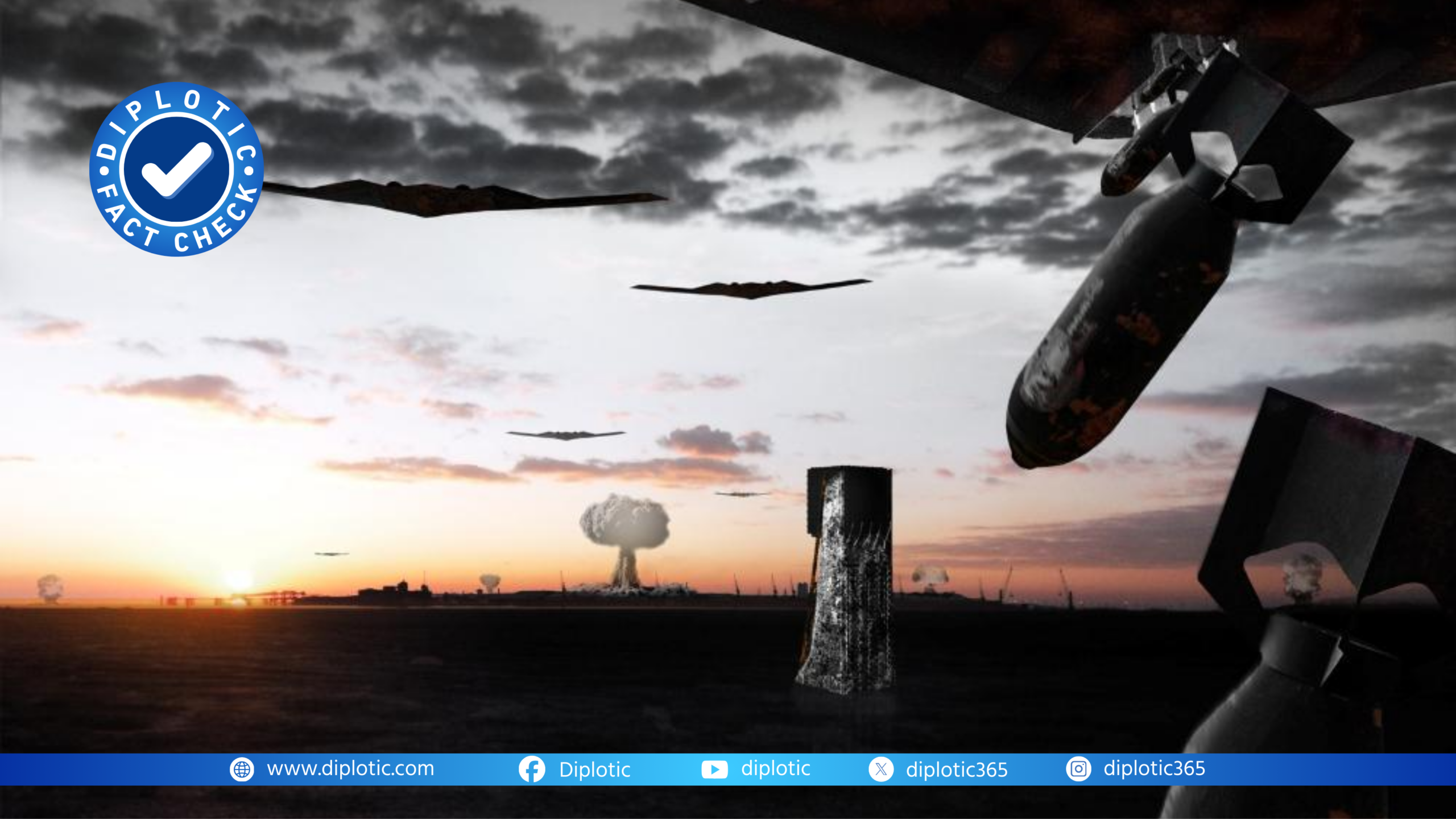
The U.S.-Israel-Iran conflict escalated dramatically in early March 2026 with joint strikes on Iranian targets, followed by Tehran’s retaliatory missile and drone attacks across the Middle East and beyond, including strikes on U.S. bases and regional allies. Social media, opinion pieces, and preparedness sites have amplified fears of an imminent World War III, citing interconnected flashpoints like Ukraine, Taiwan, and the Middle East. Prophetic claims from figures like Baba Vanga and Nostradamus further fuel the narrative, suggesting 2026 as a tipping point for global catastrophe.
This question matters amid rising public anxiety, as shown in polls where many in Western countries fear large-scale war. Historical parallels to pre-WWI tensions or Cold War crises remind us that interconnected conflicts can spiral, but expert assessments often temper hype with conditional risks. Misinformation can drive unnecessary panic, stock market volatility, or misguided preparations. This investigation draws on expert analyses, media reports, and scenario planning to evaluate claims of inevitability against evidence of containment possibilities.
Claim 1: The world is heading toward World War III due to the Iran conflict escalation.
Evaluation: The U.S.-Israel strikes on Iran, followed by Iranian retaliations targeting U.S. bases, Gulf states, Israel, and even Cyprus, have widened the conflict regionally, with risks of further spillover into Lebanon, Iraq, and Yemen. Analysts note plausible escalation paths, such as Hezbollah’s involvement or strikes on energy infrastructure spiking global prices. However, sources emphasize that while tensions are higher than earlier in the decade, WW3 is not inevitable—outcomes depend on de-escalation efforts, alliance responses, and restraint. Think tanks like Brookings and CSIS outline scenarios from regime change in Iran to prolonged instability but stop short of predicting global war.
Verdict: Misleading. Risks are elevated, but the conflict remains regional with no clear path to worldwide involvement yet.
Claim 2: Experts predict a high probability of World War III in 2026.
Evaluation: Expert estimates frame risks as conditional, not certain. Reports cite moderate probabilities (high-teens to low-30s percent) for major escalation based on triggers like NATO invocation or miscalculations over Taiwan. Naval journals and scenario planners (e.g., UnHerd, CSIS) discuss “what if” paths but emphasize deterrence and diplomacy as dampeners. Public opinion in allied states shows concern but hesitancy on costs, complicating rapid escalation. No mainstream expert consensus declares WW3 likely in 2026.
Verdict: Misleading. Probabilities are non-negligible but conditional; experts focus on scenarios, not predictions.
Claim 3: Prophecies from Baba Vanga or Nostradamus confirm World War III after the Iran escalation.
Evaluation: Viral posts and outlets like The Sunday Guardian cite vague prophecies (e.g., Baba Vanga’s warnings of conflict or Nostradamus’s quatrains interpreted as U.S.-Iran war) as confirmation. These are debunked as clickbait—prophetic texts are ambiguous and retrofitted to events. Journalistic critiques dismiss them as unsubstantiated, noting no causal or predictive value. Commercial sites amplify them for traffic, but they hold no evidentiary weight.
Verdict: False. Prophecies are interpretive folklore, not reliable indicators of geopolitical outcomes.
Claim 4: Media and social posts overstate the risk of WW3 for sensationalism.
Evaluation: Tabloids and preparedness marketers (e.g., MIRA Safety) frame the situation in alarmist terms, listing “safest countries” or urging civilian readiness to drive engagement or sales. Social feeds recycle worst-case scenarios without caveats, conflating regional strikes with global war. Authoritative sources (e.g., The Week, Atlantic Council) provide balanced views, noting escalation risks but highlighting de-escalation paths and political constraints.
Verdict: True. Hype often prioritizes clicks over nuanced analysis, exaggerating immediacy.
Claim 5: Even without imminent WW3, the Iran escalation raises valid concerns about global stability.
Evaluation: The conflict has already caused regional chaos—strikes on energy sites, refugee flows, and threats to shipping—potentially spiking oil prices and straining alliances. Experts warn of indirect effects like cyber retaliation or proxy escalations, underscoring the need for diplomacy. Public fears reflect real interconnected risks in a multipolar world.
Verdict: True in highlighting a genuine concern. Valid worries about spillover exist, warranting attention without assuming inevitability.
Conclusion: Heightened Risks, Not Imminent Global War
The Iran conflict escalation in early March 2026 has widened regionally, with U.S.-Israel strikes and Iranian retaliations creating real instability, economic shocks, and humanitarian concerns. Experts outline escalation scenarios but emphasize conditional probabilities and de-escalation opportunities, not certainty of World War III.
Viral claims of inevitability—fueled by prophecies, sensational media, or preparedness hype—overstate the situation. No consensus predicts WW3 in 2026; risks are elevated compared to quieter years but containable through restraint and diplomacy. The kernel of truth lies in interconnected flashpoints raising systemic vulnerabilities.
For those concerned, monitor credible sources like think tanks and official statements rather than social amplification. The world faces serious challenges, but history shows conflicts can de-escalate without global catastrophe. Focus on facts promotes informed vigilance over unfounded fear.