The internet loves a good plot twist, and the latest one making rounds in Bangladesh claims that Israelis are publicly apologizing to Iran amid their ongoing conflict. A short video, shared widely on Facebook and TikTok, supposedly shows Israeli citizens marching with banners, pleading for Iran’s mercy. As someone who’s been suckered by viral videos before (cat playing piano, anyone?), we couldn’t resist digging into this one. Is it a genuine moment of humility or just another digital mirage? Let’s fact-check this with a smirk and a magnifying glass.
The Viral Claim: Israelis Apologizing to Iran?
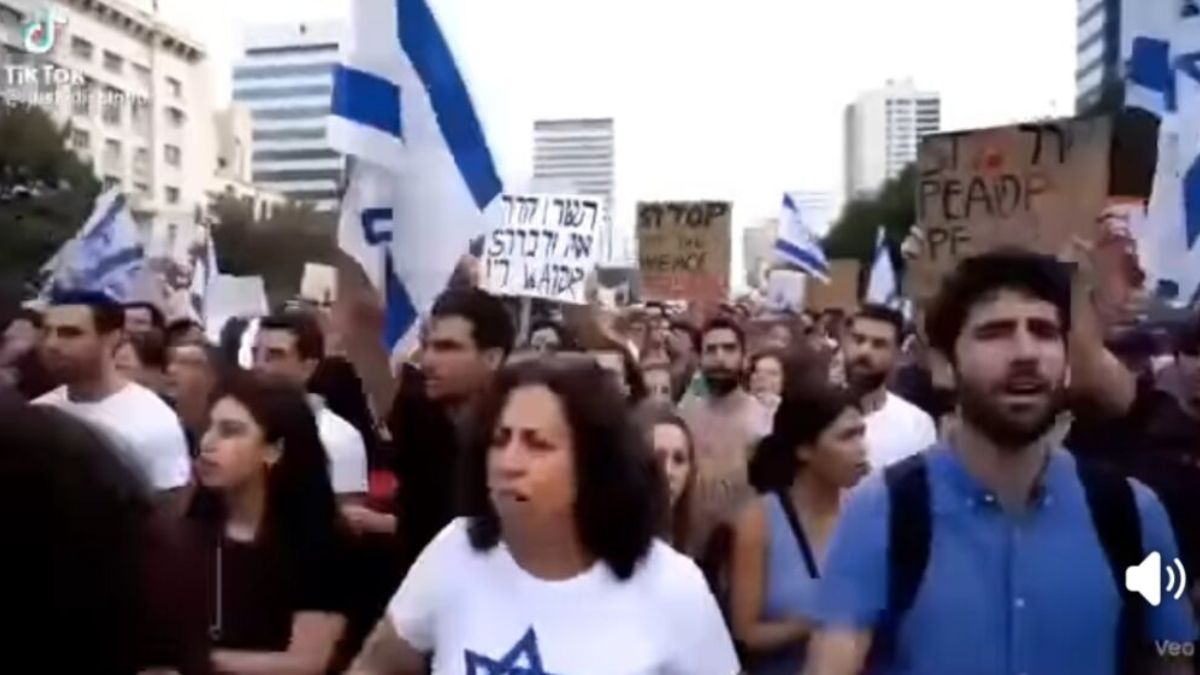
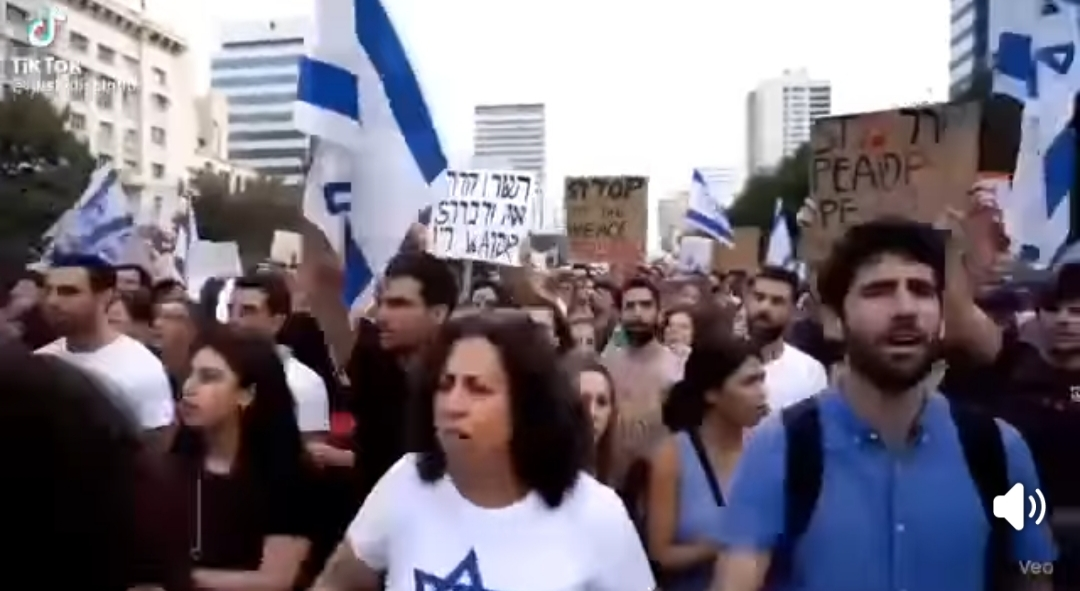
The Iran-Israel conflict has been a geopolitical tinderbox for years, so a video claiming Israelis are waving white flags—figuratively, at least—raises eyebrows. The 8-second clip, plastered across social media, shows a crowd marching, holding banners, with one young man in a blue shirt leading the charge. The narrative? These are Israelis begging Iran for forgiveness, a dramatic twist in a saga of missile strikes and saber-rattling.
Screenshot of claimed Video.
In Bangladesh, where social media fuels heated debates, the video has gone viral. Archived Facebook posts and a TikTok clip have racked up shares, likes, and comments, with users framing it as proof of Israel’s surrender. But, is this real, or is it just another internet prank?
Digging Deeper: The AI Red Flags
To get to the bottom of this, we leaned on global fact-checking protocols—think IFCN standards—and started with the basics: where’s the proof? A search through credible outlets like Reuters, Al Jazeera, and The Guardian turned up no reports of Israelis marching to apologize to Iran. No news articles, no official statements, nothing. In a world where every sneeze in geopolitics gets a headline, that’s a big clue something’s off.
Next, I scrutinized the video itself, and boy, did it scream “fake.” Here’s what stood out:
Inconsistent Details: The blue-shirted guy leading the march starts empty-handed, but halfway through, a flag magically appears in his grip. Unless he’s a street magician, that’s not how physics works.
Dodgy Banners: The text on the banners is blurry and inconsistent, like someone slapped random words together. Real protest signs usually have clear, punchy messages.
Watermark Clue: The video’s bottom-right corner sports a “Veo” watermark. A quick search revealed Veo is Google’s AI tool for generating hyper-realistic 8-second videos from text prompts. Coincidentally, this video is exactly 8 seconds long. Hmm.
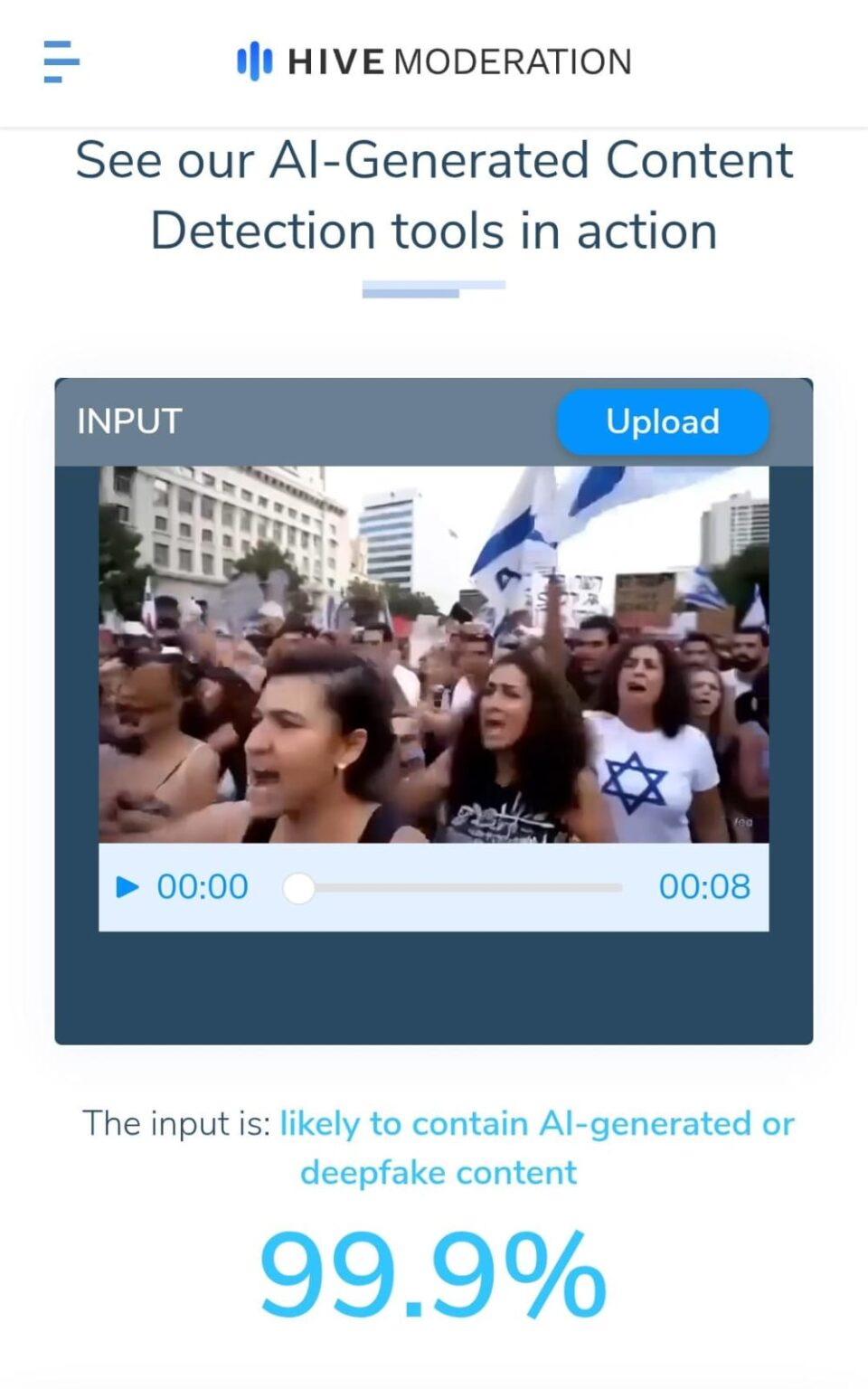
To confirm my suspicions, we ran the video through Hive Moderation, an AI-content detection platform. The result? There’s a 99% chance the clip was AI-generated. That’s not a smoking gun—it’s a whole arsenal.
“The internet’s a stage, and AI’s the new scriptwriter churning out fiction faster than Bollywood.”
Screenshot: Hive Moderation.
Why This Matters in Bangladesh
So, why’s this fake video blowing up in Bangladesh? For one, the Iran-Israel conflict resonates here, where many view it through a lens of solidarity with Muslim-majority nations. A 2018 Pew Research study noted that South Asian countries, including Bangladesh, often sympathize with Iran over Israel due to religious and political ties. A video suggesting Israel’s capitulation plays right into that narrative, making it ripe for shares.
But there’s a darker side. Misinformation thrives on emotion, and this video exploits it. A 2020 MIT study found that emotionally charged content spreads faster than neutral facts, especially on platforms like Facebook and TikTok. In Bangladesh, where social media penetration is high—over 50 million users—fake videos like this can stoke division and fuel false narratives about global conflicts.
The Bigger Picture: AI’s New Playground
This isn’t just about one fake video; it’s a wake-up call about AI’s growing role in misinformation. Tools like Veo can whip up convincing clips in seconds, making it easier than ever to push lies. From deepfake politicians to fabricated protests, AI-generated content is a headache for fact-checkers worldwide. In 2023, the World Association of News Publishers warned that AI-driven misinformation could erode trust in media if left unchecked.
For Bangladeshi users, the lesson is clear: don’t believe every video that tugs at your heartstrings. Cross-check with trusted sources, and if it smells like AI—blurry text, weird glitches—it probably is. But let’s not let fake news hijack our feeds.
Conclusion: No Apology, Just AI Trickery
The viral video claiming Israelis are apologizing to Iran? It’s a bust. No credible evidence supports it, and the clip’s AI fingerprints—Veo watermark, inconsistent visuals, 99% Hive Moderation score—scream fabrication. This is no real protest; it’s a digital illusion cooked up to stir emotions and rack up clicks.
In Bangladesh, where passions run high over global issues, this fake video underscores the need for skepticism. Next time you see a too-good-to-be-true clip on Facebook or TikTok, pause. Check the source. And maybe, just maybe, don’t hit “share” until you’re sure it’s not AI’s latest prank.