

As 2025 comes to a close, Europe’s leaders face tough questions about their support for Ukraine in its war against Russia. A recent summit in Brussels ended with a new loan package of 90 billion euros for Kyiv, spread over two years. Yet the bloc failed to agree on a bolder plan to use frozen Russian assets for funding. This decision leaves Ukraine short of money it needs to keep fighting. With U.S. aid reduced under President Donald Trump, Europe must step up more. But divisions among leaders and growing tiredness among voters make that hard. This piece looks at what happened, why it matters, and what could come next.
What Happened at the Recent EU Summit on Ukraine Aid?
EU leaders met in mid-December to decide how to help Ukraine financially for 2026 and 2027. Many hoped for a “reparations loan” backed by about 210 billion euros in frozen Russian central bank assets, mostly held in Belgium. The idea was to borrow against these funds and lend to Ukraine at low or no interest, with Russia paying back later through reparations.
After long talks, the plan fell apart. Belgium worried about legal risks if Russia sued. France and Italy also held back, while Germany pushed hard. Instead, leaders agreed to borrow 90 billion euros on markets, backed by the EU budget, and lend it interest-free to Ukraine. Russian assets stay frozen, and the EU keeps the right to use them later for repayment.
This covers much of Ukraine’s near-term needs but not all. The International Monetary Fund estimates a gap of around 135 to 160 billion euros over two years, due to lower U.S. support. The loan helps avoid a cash crisis soon, but more will be needed. Background shows past EU aid totaled billions, including military and humanitarian help. Related points: Three countries opted out of the borrowing, and future packages face hurdles in election years. Why the fallback? Legal fears and politics blocked the preferred option.
Why Did the Frozen Assets Plan Fail to Gain Support?
The assets idea seemed strong: use Russia’s money to fund its victim’s defense without costing EU taxpayers much. Profits from the funds already go to Ukraine in small amounts. A full loan could provide steady cash.
But Belgium, holding most assets, demanded full protection from any Russian claims. Others saw risks to financial stability if Russia retaliated. France and Italy preferred caution. Germany and the Commission wanted bolder steps.
Context includes earlier freezes after the 2022 invasion, meant to pressure Russia. Parallel views: Some allies like the UK prepared to join if the EU led. Russia called it theft and welcomed the failure. Why divisions? Countries balance unity with national interests, like legal exposure or voter views. The outcome shows how hard it is to agree on new tools in crises.
How Is Public Opinion Shaping Europe’s Approach?
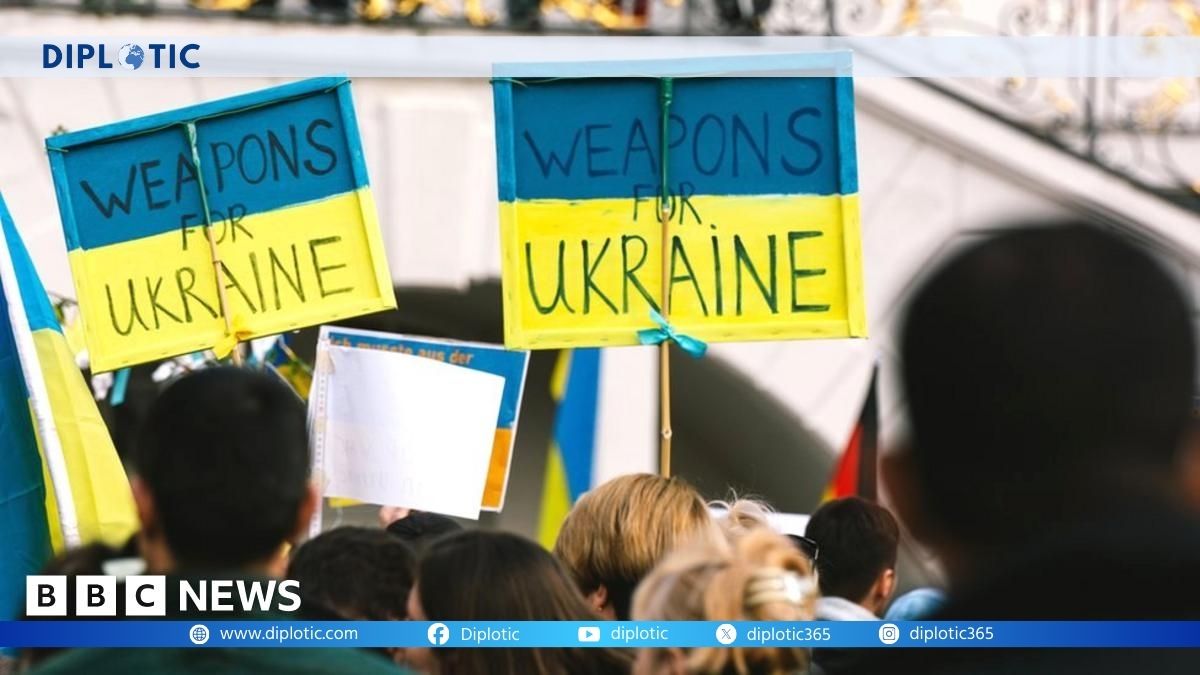
Polls show mixed feelings. In big countries like Germany and France, more people want to cut or keep aid the same than increase it. A recent survey found 45 percent in Germany favoring less financial help, versus 20 percent for more. In France, 37 percent wanted cuts, 24 percent increases.
Yet support for sanctions and refugee welcome remains higher. Background: Early war enthusiasm was strong, but costs and length wear on views. Related angles: Nordic countries stay firm; eastern ones too, due to proximity. Economic pressures like inflation play a role. Why fatigue? Long conflicts test patience, especially with domestic needs. Leaders face elections soon, making big commitments risky.
What Signals Does This Send to Russia and Ukraine?
Ukraine welcomed the loan as vital but needs more for full defense. President Volodymyr Zelenskyy stressed steady funding weakens Russia’s will to prolong the war.
Russia sees encouragement: Putin noted time favors Moscow if West wavers. Talks involving U.S. envoy Steve Witkoff suggest possible deals, perhaps reviving ideas like territorial adjustments.
Context: Battlefield gains for Russia are slow but steady. Parallel insights: Europe reserves asset use, keeping pressure. But delay signals limits to unity. Why important? Clear support could deter escalation; hesitation may invite it.
Can Europe Bridge the Funding Gap in Coming Years?
The loan buys time, but 2027 needs planning now. Joint borrowing worked once; repeating it requires agreement. Elections in France and Germany could shift priorities.
Options include more budget-backed loans or eventual asset use. Background: EU has raised funds together before, like for recovery. Related views: Stronger defense spending across Europe could ease military burdens. Why challenging? Voter impatience and U.S. changes force self-reliance.
Looking ahead, Europe’s choices link past commitments to future security. Stronger unity could sustain Ukraine longer; splits risk weaker outcomes. As threats persist, balancing aid with home needs will test the bloc’s resolve in uncertain times.




