

The world of artificial intelligence is often portrayed as a frontier of the future, a realm where new rules are written. Yet, it remains deeply connected to the established power structures of the past. This connection was thrown into sharp relief with the sudden resignation of Larry Summers from the board of OpenAI, the company behind ChatGPT. His departure was not prompted by a debate over AI ethics or a corporate strategy dispute, but by the unsealing of a trove of old emails. These communications, released by a House committee, detailed his extensive and long-running correspondence with the late financier and convicted sex offender Jeffrey Epstein. Summers, a former U.S. Treasury Secretary and Harvard University president, is the latest in a long line of influential figures whose association with Epstein has forced a public reckoning. His decision to step down from one of the most watched companies in the world raises difficult questions that extend far beyond one individual: how do we judge the past associations of powerful people, and what are the ethical lines that should bar access to influence, especially in shaping a technology as transformative as AI?
The Content of the Communications and Their Implications
The released emails did not allege any criminal wrongdoing by Summers, but they painted a picture of a familiar and sustained relationship that lasted years, including long after Epstein’s initial conviction for soliciting a minor for prostitution in 2008. The correspondence showed the two men communicating frequently, with discussions of dinners and Epstein’s attempts to connect Summers with other prominent global figures. This continued right up until the day before Epstein’s arrest in 2019 on federal charges for sex trafficking of minors. For many observers, the sheer normality of the exchanges was the most damning aspect. They revealed a relationship that was treated as a standard part of the networking landscape among elites, despite the serious public knowledge of Epstein’s criminal past. This normalization of association is at the heart of the public concern.
In his statement, Summers called his decision to maintain communication with Epstein a “misguided” error in judgment and accepted “full responsibility.” He announced he would be stepping back from his public commitments to “rebuild trust.” This response follows a familiar pattern of public contrition, but the consequences have been swift and tangible. His resignation from OpenAI was followed by the confirmation that he was no longer affiliated with the Center for American Progress, a prominent liberal think tank. These institutional separations signify a clear break. The episode demonstrates that in the modern era, accountability is increasingly enforced not just through legal channels, but through social and professional sanction. The court of public opinion, armed with documentary evidence, can effectively end a leader’s tenure in influential roles, forcing a form of consequences that the justice system, in this case, could not deliver after Epstein’s death.
The Intersection of Old Scandals and New Technology
Summers’ role at OpenAI was always somewhat symbolic of a broader trend: the migration of established political and economic power into the tech sector. He was brought onto the board in late 2023 following the dramatic, failed attempt to oust CEO Sam Altman. His appointment was widely seen as an effort to instill traditional corporate governance and economic wisdom into a young, volatile company. Summers represented a bridge between the old world of Washington and Wall Street and the new world of AGI (Artificial General Intelligence). His credibility and network were likely viewed as assets to stabilize and guide the organization. His resignation, therefore, is not just a personnel change but a rupture in that bridge, prompted by a scandal from a seemingly unrelated part of his life.
This creates a complex dilemma for corporations, particularly in the tech industry, which often proclaims mission-driven, ethical foundations. On one hand, there is a desire for the experience and connections that figures like Summers possess. On the other, there is a growing awareness of reputational risk and a demand for moral clarity from the companies shaping humanity’s future. The court of public opinion holds these entities to a high standard. For OpenAI, a company that regularly discusses the profound societal impact of its technology, having a board member embroiled in a scandal related to a sex trafficker became an untenable contradiction. The company’s quick acceptance of his resignation, with a polite but brief statement, indicates a desire to swiftly distance itself from the controversy. It suggests that in the competition to define the future, being associated with the worst abuses of the past is a liability that cannot be managed.
A Broader Reckoning for the Elite Ecosystem
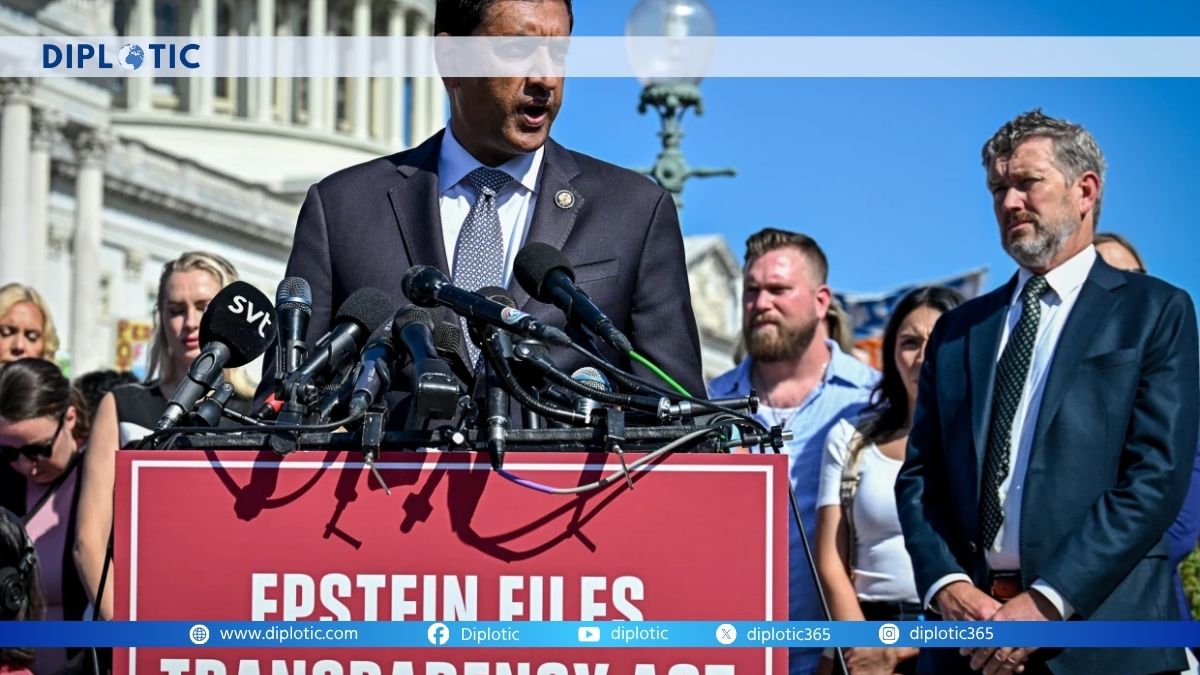
The Summers episode is a single data point in a much larger pattern. The release of the emails was part of a broader congressional effort that culminated in a bill, now headed to President Trump’s desk, requiring the Justice Department to release its files on Epstein. This indicates a sustained political and public appetite for transparency and accountability regarding the networks Epstein cultivated. The financier’s ability to surround himself with intellectuals, scientists, politicians, and business leaders was a key part of his mystique and, investigators believe, his method of operation. Each new revelation about these associations forces a re-examination of how power and influence operate in closed circles, where access is currency and moral compromises are often overlooked.
The question this raises is where the line should be drawn. For institutions like Harvard, the Center for American Progress, and OpenAI, the calculus involves weighing an individual’s professional contributions against the reputational damage of their associations. The answer appears to be shifting. There is a decreasing tolerance for the argument that private associations are separate from public roles, especially when those associations are with individuals known for grave moral failings. The court of public opinion is conducting its own discovery process, and its verdicts are becoming increasingly consequential. As more documents are released, this reckoning is likely to continue, challenging other powerful figures and the institutions that host them to re-evaluate their standards of conduct and the company they keep. The story of Larry Summers and OpenAI is therefore more than a news item; it is a chapter in an ongoing reassessment of accountability, proving that the past, no matter how sordid, is never truly buried, especially for those tasked with building the future.




