

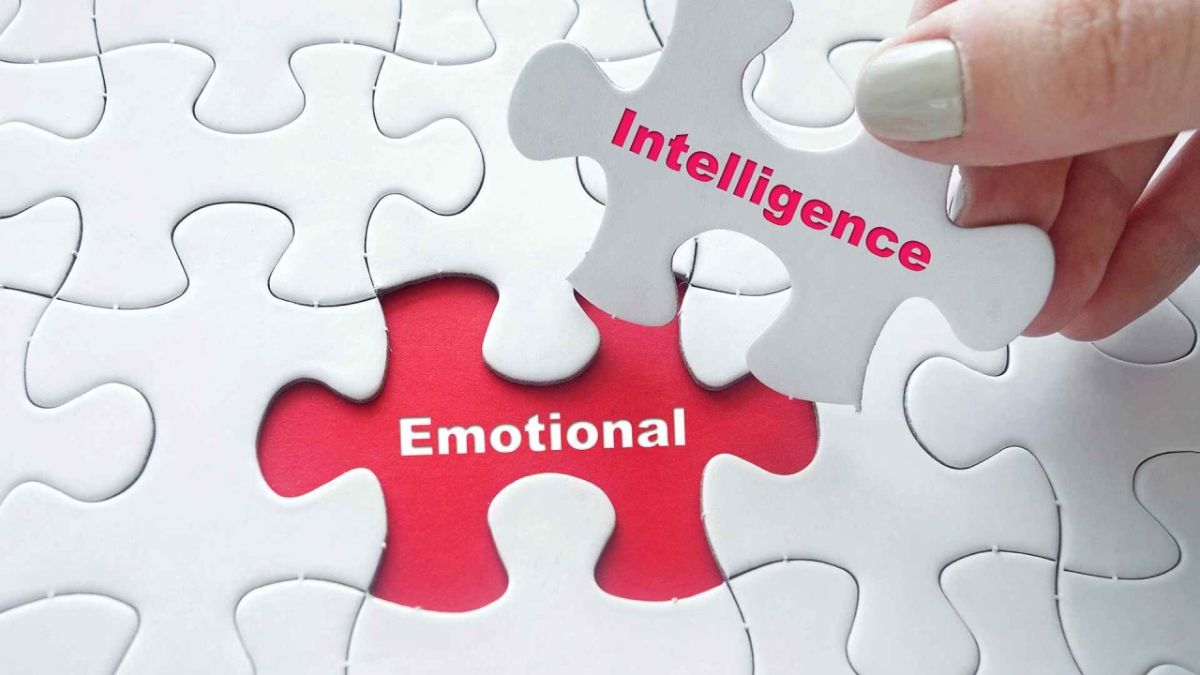
In today’s rapidly evolving workplace, technical expertise alone no longer guarantees effective leadership. Emotional intelligence (EI) has emerged as a critical competency that distinguishes exceptional leaders from average ones.
Leaders who demonstrate high EI are better equipped to navigate workplace complexities, manage diverse teams, and foster a positive organizational culture. As workplace dynamics continue to shift, the importance of emotional intelligence in leadership is expected to grow, making it a core element of management training and professional development.
The Role of Emotional Intelligence in Leadership
Emotional intelligence, as defined by psychologist Daniel Goleman, consists of five key components: self-awareness, self-regulation, motivation, empathy, and social skills. These elements enable leaders to manage their emotions effectively while understanding and influencing the emotions of others. Here’s how EI contributes to leadership success:
Self-Awareness: Effective leaders possess a deep understanding of their own emotions, strengths, and weaknesses. This awareness enables them to respond to challenges with clarity and confidence, rather than reacting impulsively.
Self-Regulation: Leaders with strong self-regulation skills can manage stress, remain calm under pressure, and make rational decisions. This ability fosters a stable work environment and encourages trust among employees.
Motivation: Emotionally intelligent leaders are intrinsically motivated and capable of inspiring their teams to achieve goals. Their enthusiasm and commitment to a shared vision create a positive workplace atmosphere.
Empathy: Understanding and addressing the emotions of others is crucial in leadership. Empathetic leaders build stronger relationships, resolve conflicts effectively, and create an inclusive and supportive work culture.
Social Skills: Leaders with high EI excel in communication, collaboration, and conflict resolution. These skills allow them to build strong teams, influence stakeholders, and drive organizational success.
Leaders with strong emotional intelligence create an environment of trust and respect. They foster positive workplace culture, minimize conflict, and enhance team performance by promoting psychological safety and motivation.
Current Value of Emotional Intelligence in Leadership
Today’s workforce is more diverse and interconnected than ever before. With increasing remote work, globalization, and the demand for inclusive leadership, emotional intelligence is no longer a luxury but a necessity. Organizations that prioritize EI in their leadership development programs experience higher employee engagement, lower turnover rates, and improved team performance. Leaders who leverage EI can:
- Enhance workplace morale by fostering open communication and psychological safety.
- Improve decision-making by balancing logic with emotional insights.
- Resolve conflicts constructively, promoting a collaborative work environment.
- Drive innovation through increased adaptability and openness to change.
Emotional Intelligence and Workplace Dynamics
The modern workplace thrives on collaboration, innovation, and inclusivity, making EI a valuable asset for leadership. Here’s how EI impacts workplace dynamics:
Enhanced Team Collaboration
Leaders with high EI cultivate an atmosphere of mutual respect and trust, facilitating open communication and teamwork. Employees are more likely to engage in problem-solving and innovation when they feel understood and supported.
Effective Conflict Resolution
Conflicts are inevitable in any organization. Emotionally intelligent leaders handle disputes with a balanced and fair approach, ensuring that disagreements lead to constructive outcomes rather than workplace toxicity.
Higher Employee Engagement and Retention
Employees who work under emotionally intelligent leaders feel valued and heard. This increases job satisfaction and reduces turnover rates, ultimately benefiting the organization’s growth and stability.
Improved Decision-Making
EI helps leaders process emotions rationally rather than react impulsively. By recognizing emotional biases, leaders can make more objective and informed decisions that align with long-term business success.
Future Relevance of Emotional Intelligence in Management Training
As the future workplace continues to evolve, emotional intelligence will play an even more significant role in leadership. Automation and artificial intelligence (AI) are expected to replace routine tasks, making human-centric skills such as empathy, adaptability, and interpersonal communication more valuable. The leaders of tomorrow will need to master EI to:
Rise of Remote and Hybrid Work
The shift towards remote and hybrid work models requires leaders to navigate digital communication challenges effectively. Leaders with strong EI can foster virtual team cohesion, address employee concerns proactively, and maintain a sense of belonging among distributed teams.
Increased Emphasis on Diversity and Inclusion
Organizations are prioritizing diversity, equity, and inclusion (DEI). Emotionally intelligent leaders are better equipped to embrace diverse perspectives, manage cross-cultural teams, and ensure an inclusive workplace.
AI and Automation in the Workforce
As artificial intelligence (AI) and automation reshape job roles, human-centric leadership skills such as EI will gain prominence. The ability to connect with employees, address workplace anxieties, and support continuous learning will be crucial for leaders navigating this transformation.
Evolving Leadership Development Programs
Many organizations are integrating EI into leadership training programs. The future will likely see increased investment in EI assessments, workshops, and executive coaching to prepare leaders for complex interpersonal challenges.
Organizations will increasingly incorporate EI into management training programs, ensuring leaders are equipped to handle complex workplace challenges. Leadership development initiatives will emphasize EI assessment, coaching, and real-world application, reinforcing its importance as a core leadership trait.
Conclusion
Emotional intelligence is no longer a secondary leadership skill it is a fundamental component of effective leadership. In the present business landscape, EI enhances team performance, workplace culture, and decision-making. Looking ahead, as organizations embrace remote work, diversity, and AI-driven changes, emotional intelligence will remain a critical factor in leadership development. Investing in EI training today will ensure that leaders are prepared for the challenges of tomorrow, fostering workplaces that thrive on empathy, collaboration, and innovation.




