

A Nation Shaken: Historical Context of Seismic Vulnerability
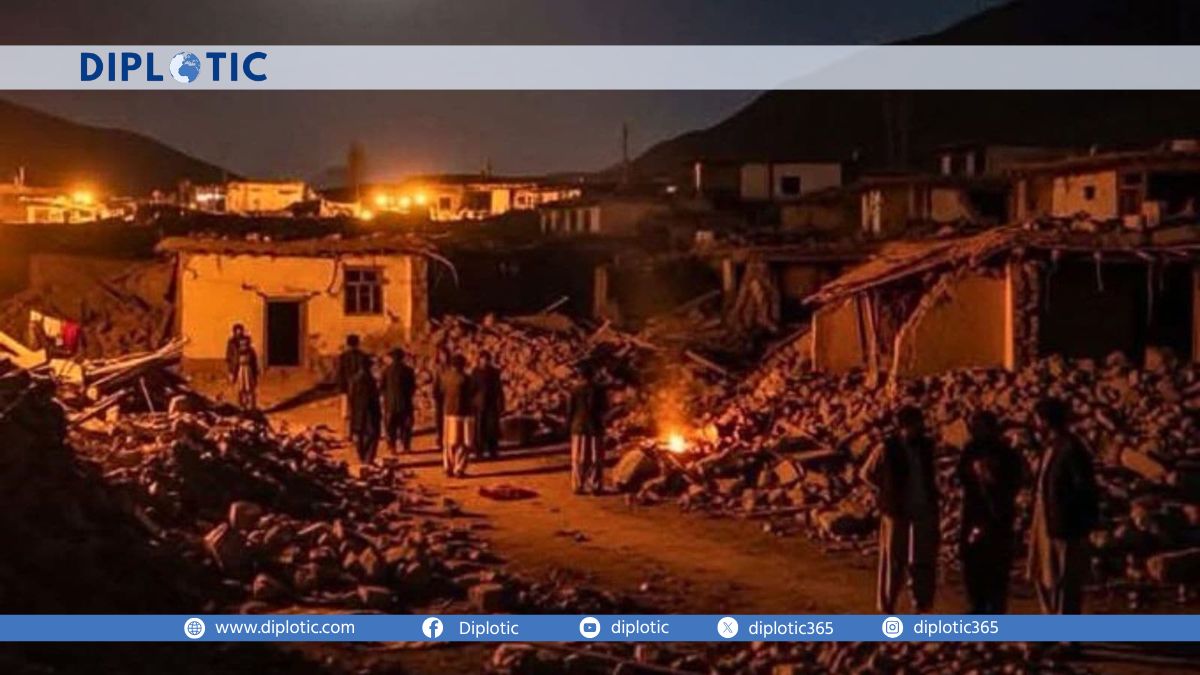
On August 31, 2025, a magnitude 6.0 earthquake struck eastern Afghanistan near Jalalabad, claiming at least 812 lives and injuring over 3,000, primarily in Kunar and Nangarhar provinces. This disaster, one of Afghanistan’s deadliest since the 2023 Herat quake that killed over 2,000, underscores the country’s vulnerability due to its location at the convergence of the Indian and Eurasian tectonic plates. The Hindu Kush region, crisscrossed by fault lines like the Chaman and Kunar, has seen frequent seismic activity, with magnitude 5.6 and 5.2 tremors in August 2025 alone. Poor infrastructure, mud-brick homes, and limited early-warning systems amplify the toll. Since 2015, Afghanistan has endured multiple deadly quakes, including a 2022 Paktika event killing over 1,000. The latest catastrophe, exacerbated by flash floods and landslides, highlights a recurring cycle of destruction in a nation already strained by conflict and humanitarian crises.
The Earthquake’s Impact: Scale and Scope
The quake hit at 11:47 p.m. local time, centered 27 kilometers east-northeast of Jalalabad, at a shallow depth of 8 kilometers, intensifying its destructive power. Shallow quakes, with seismic waves close to the surface, cause more damage than deeper ones, as seen in the collapse of mud-brick and wooden homes in rural Kunar. Entire villages, like those in Nurgal and Mazar Dara, were flattened, with survivors like Sadiqullah reporting the loss of his wife and two sons, trapped under rubble for hours. The death toll, reported at 812 by Taliban spokesman Zabihullah Mujahid, is expected to rise as rescuers reach remote areas. Over 3,000 injuries have overwhelmed hospitals, with 335 airlifted to Nangarhar Regional Hospital. Aftershocks, ranging from 4.3 to 5.2 in magnitude, continue to destabilize the region, raising fears of further casualties. X posts capture the tragedy: “Villages gone, families buried under rubble. Heartbreaking.”
Rescue Efforts: Courage Amid Obstacles
Rescue operations face immense challenges. Flash floods in Nangarhar on August 30 damaged roads and farmland, while landslides triggered by the quake blocked key routes. Zakeria Shnizai, an Oxford-affiliated geologist, noted that flooding has isolated communities, restricting heavy equipment use and increasing landslide risks. Al Jazeera’s Mohsin Momand reported unpaved, rubble-strewn roads hindering access. The Ministry of Defense dispatched 30 doctors and 800 kilograms of medicine to Kunar, where hospitals are overwhelmed. Helicopters conducted 40 flights, evacuating 420 wounded and deceased, but many villages remain inaccessible, with some journeys taking eight hours on foot. Locals, like those in Nurgal, dig through debris by hand, pleading for aid. A Taliban official emphasized prioritizing survivors over recovering bodies, reflecting the urgency. X users highlight resilience: “Afghans digging with bare hands to save loved ones—heroes in crisis.”
International Response: Solidarity and Constraints
The international community has responded, though aid delivery is complicated. UN Secretary-General Antonio Guterres expressed solidarity, with UN teams providing emergency assistance. Iran’s Foreign Minister Abbas Araghchi offered relief, medical, and humanitarian aid. Japan’s ambassador, Takayoshi Kuromiya, pledged support, while the EU extended condolences, with humanitarian partners active on the ground. However, no foreign governments have yet committed direct rescue support, per Afghanistan’s foreign office. The Taliban’s restrictions on women aid workers and global funding cuts—down to $767 million in 2025 from $3.8 billion in 2022—limit response capacity. The U.S. suspension of USAID funding under Trump, contributing 45% of prior aid, exacerbates the crisis. X sentiment reflects frustration: “World watches while Afghanistan struggles alone.” Filippo Grandi, UN High Commissioner for Refugees, urged donors to act, citing compounded challenges from drought and forced Afghan returns from Pakistan and Iran.
Future Implications: Building Resilience in a Fragile Land
Afghanistan’s seismic vulnerability demands multihazard preparedness, as Abdullah Ansari of Sultan Qaboos University emphasized. Improved infrastructure, early-warning systems, and resilient construction could mitigate future losses, but economic constraints and political isolation hinder progress. The reopened Jalalabad-Kunar highway aids relief, but many roads remain blocked, underscoring the need for robust transportation networks. If unaddressed, Afghanistan’s annual seismic toll could rise, with the International Rescue Committee warning that 2025’s humanitarian needs may dwarf 2023’s. Global support, if sustained, could bolster recovery, leveraging lessons from Japan’s earthquake-resistant designs. Yet, with half of Afghanistan’s 42 million people needing aid, systemic change is critical. X posts call for action: “Build stronger, not just sympathy.” By 2030, without investment, recurring quakes could deepen poverty and displacement, but coordinated international and local efforts offer hope for a more resilient future.




