

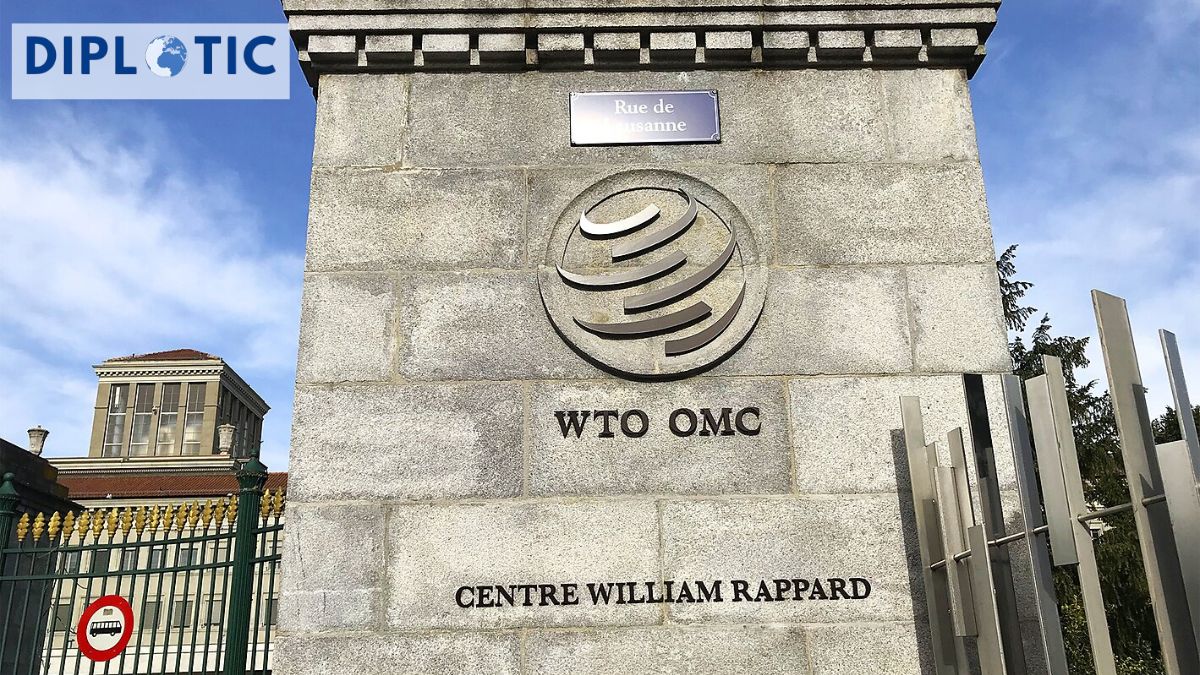
The global trading system is facing its most dangerous crisis since the end of World War II. The World Trade Organization (WTO), long regarded as the backbone of a predictable, rules-based trading order, is rapidly losing its authority, relevance, and effectiveness. Although the return of Donald Trump to the United States presidency in 2025 has sharply accelerated this decline, the erosion of trade multilateralism began many years earlier. Today, the WTO stands crippled by institutional paralysis, legal dysfunction, and rising trade nationalism, a combination that threatens to fragment the global economy and leave developing nations dangerously exposed.
A Frozen Rule-Making System
One of the WTO’s most vital responsibilities is to establish modern trade rules that respond to evolving economic realities. Yet the organization’s legislative machinery has effectively stalled. Since its establishment in 1995, the WTO has concluded only two major multilateral agreements: the Trade Facilitation Agreement and the Agreement on Fisheries Subsidies. This limited progress stands in stark contrast to the sweeping legal architecture created during the Uruguay Round negotiations that founded the WTO.
Critical negotiations on agriculture reform, digital trade, industrial subsidies, climate-linked trade measures, and investment facilitation have been deadlocked for decades. The inability to update outdated rules has created regulatory uncertainty, encouraged trade conflicts, and weakened the WTO’s relevance in a global economy increasingly driven by technology, services, and data flows. This paralysis, often described as the WTO’s “legislative crisis,” has undermined the institution’s credibility and policy leadership.
Consensus vs Plurilateralism
At the heart of this impasse lies the WTO’s consensus-based decision-making system. With over 160 member states representing vastly different levels of development, political systems, and economic priorities, achieving unanimity has become exceptionally difficult. While consensus was originally intended to protect weaker economies, it has increasingly become a bottleneck that stalls urgent reforms.
To bypass this gridlock, powerful economies have turned toward plurilateral agreements—limited-membership trade deals that focus on specific issues such as digital commerce and investment facilitation. While these arrangements may appear pragmatic, they raise fundamental concerns about transparency, inclusivity, and legitimacy. Without a coherent multilateral framework governing plurilateral initiatives, there is a serious risk that such agreements will deepen divisions between developed and developing countries and undermine the principle of equal participation.
For developing economies, being excluded from rule-setting forums could lock them into disadvantageous trade structures for decades to come.
A Broken Dispute Settlement System
The WTO’s Dispute Settlement System (DSS) was once its most powerful enforcement mechanism, ensuring that even the smallest economies could challenge illegal trade measures imposed by the world’s largest powers. Since 1995, more than 630 disputes have been brought to the WTO an unprecedented record among international courts.
However, this system has now been effectively dismantled. By blocking appointments to the WTO Appellate Body, the United States has rendered the appeals mechanism non-functional since 2019. As a result, countries that lose disputes at the panel stage can now appeal into a legal vacuum, avoiding compliance altogether. This has severely weakened enforcement and emboldened powerful states to pursue unilateral trade actions without fear of legal consequences.
The collapse of this enforcement backbone has transformed the WTO from a rules-based system into a largely voluntary one a dangerous shift that threatens legal certainty for global commerce.
The Assault on Non-Discrimination
Perhaps the most alarming development is the growing attack on the Most-Favored-Nation (MFN) principle, the cornerstone of the multilateral trading system. MFN ensures that trade advantages granted to one WTO member must be extended to all members, preventing discriminatory trade practices.
President Trump’s reciprocal tariff strategy directly undermines this principle by replacing multilateral rules with bilateral tariff bargaining. Under this model, each country must individually negotiate market access with the United States, placing smaller and developing nations at a severe disadvantage. This shift signals the revival of tariff nationalism, economic coercion, and power-based trade relations, reversing decades of multilateral cooperation.
India and the Developing World: A Call to Action
For developing economies such as India, the current crisis represents both a danger and an opportunity. Continued silence and passive diplomacy will only accelerate the erosion of multilateralism. Instead, developing countries must urgently forge strategic alliances to defend the WTO’s core principles, revive dispute settlement, and demand inclusive reform of global trade governance.
A coordinated coalition of emerging economies can exert collective pressure, promote fair plurilateral frameworks, and challenge unilateral trade actions through international legal and diplomatic channels. History has shown that even imperfect multilateral systems provide more protection to weaker nations than fragmented bilateral power politics.
Conclusion
The future of the global trading order is being decided now. If developing nations fail to act, the world risks sliding into a system dominated by unilateralism, protectionism, and economic coercion. Revitalizing the WTO is not merely a legal necessity; it is a strategic imperative for global economic stability and equitable development.
Imperfect multilateralism remains infinitely safer than a world governed by power-based bilateralism.
The developing world must rise before the rules-based trading system disappears altogether.




