

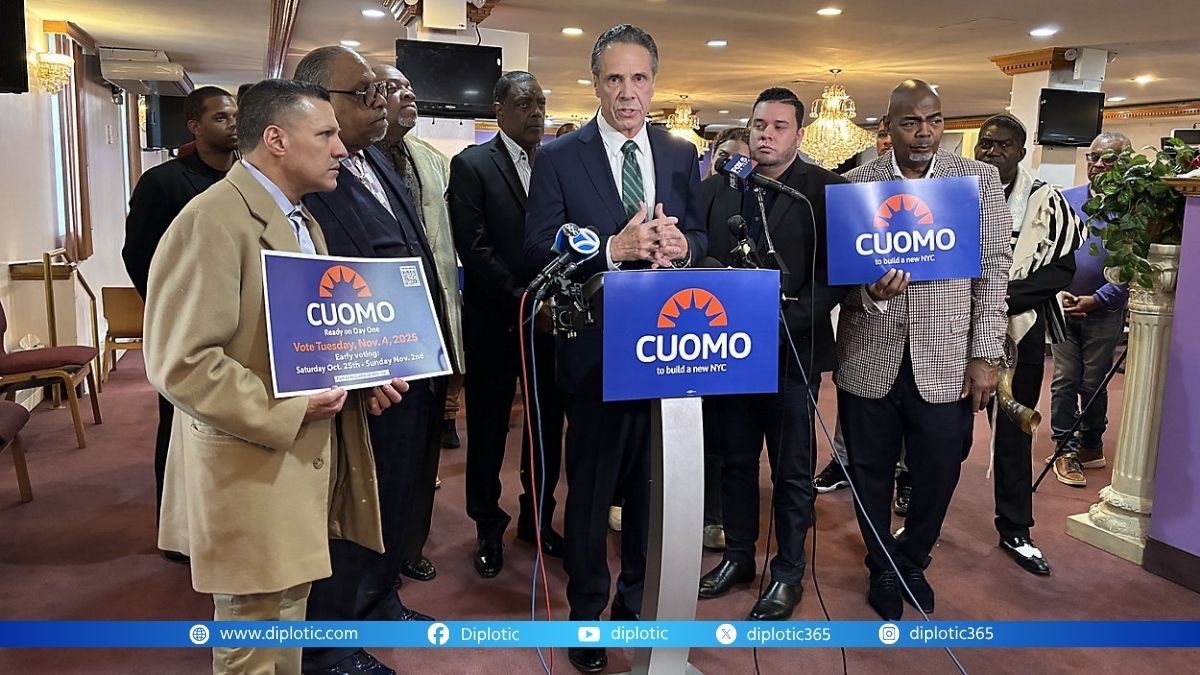
Andrew Cuomo’s inflammatory rhetoric and AI-generated ads targeting Zohran Mamdani’s identity ignite widespread condemnation, raising stakes in NYC’s 2025 mayoral election.
Personal Attacks Spark Widespread Outcry
As the New York City mayoral election approaches, former Governor Andrew Cuomo’s campaign has sparked fierce backlash for launching highly personal and divisive attacks against opponent Zohran Mamdani. The controversy centers on video ads and remarks perceived as Islamophobic and racist, deeply polarizing voters and drawing condemnation from diverse communities.
Two key videos circulated by Cuomo’s campaign aggressively targeted Mamdani’s identity as a South Asian Muslim. One video features four men identifying as “Muslims Against Mamdani,” accusing him of being insufficiently Muslim due to his support for progressive policies like decriminalizing prostitution and drugs. These men question Mamdani’s faith, with one labeling him as a “self-proclaimed Hindu,” fueling religious bigotry.
The second, more alarming, was an AI-generated advertisement briefly posted and subsequently removed, showing fabricated scenes of criminals endorsing Mamdani. The ad included stereotypical and racist imagery of a man stealing while wearing a keffiyeh and looters calling to “globalize the Intifada,” depicting Mamdani in a deliberately negative, prejudiced light to stoke fear and division.
Highly Controversial Remarks on 9/11 Ignite Sensitivity
Further inflaming tensions, Cuomo made a profoundly insensitive joke during a radio interview, implying Mamdani would “be cheering” if a terror attack similar to 9/11 happened under his leadership as mayor. This comment sparked widespread outrage for its Islamophobic overtones and callousness toward the very real trauma experienced by Muslim communities post-9/11.
Zohran Mamdani responded with dignity and resolve, rejecting the attacks on his faith and identity. He highlighted the painful experiences of his own family who faced discrimination, such as his aunt who ceased using the subway due to fears related to her hijab. Mamdani has pledged to represent all New Yorkers with inclusivity and reject attempts to divide communities based on religion or ethnicity.
Accusations of Exploiting Sectarian Divisions
Critics accuse Cuomo of cynically exploiting sectarian rifts within the Muslim community, attempting to stoke conflict between Sunni and Shia Muslims in NYC. Historians and activists condemned this tactic as unprecedented and harmful to the unity of Muslim New Yorkers. Cuomo’s framing of Mamdani as “not Muslim enough” or alternatively “too Muslim” has been called out as contradictory and divisive.
Social media commentators noted the irony and bigotry in portraying Mamdani simultaneously as a threat for being both too religious and not religious enough. Many pointed out how such tactics parallel historical and contemporary efforts to delegitimize minority leaders by questioning their religious commitments unfairly.
Backlash and Calls for Accountability
The intense backlash to Cuomo’s campaign tactics came from across political and social spectra. Former NYC Mayor Bill de Blasio publicly condemned the AI-generated ad as “disqualifying,” asserting that no candidate endorsing racist and hateful content should govern the city. Journalists and activists highlighted how the advertisement perpetuated racist stereotypes, such as depictions of Mamdani eating with his hands a coded image long used in xenophobic rhetoric against South Asians.
These controversies have overshadowed policy debates in one of the most consequential NYC elections in recent memory. While Cuomo’s campaign appeared to double down on fearmongering, many voters and civic leaders emphasized the need for discourse based on ideas and respect rather than prejudice or division.
Broader Political Implications for New York City
Cuomo’s rhetoric and campaign strategies have reignited discussions on the role of Islamophobia and racial politics in urban elections. As NYC becomes increasingly diverse, candidates’ approaches to identity politics significantly affect community cohesion and voter engagement.
Mamdani’s campaign focuses on progressive reforms such as affordable housing, policing reform, and social justice, seeking to mobilize younger and more diverse constituents. Conversely, Cuomo’s strategy seems aimed at conservative and establishment voters by invoking fear and sectarianism an approach drawing comparisons to his controversial political legacy.
Conclusion: A Defining Moment for NYC Politics
The escalating tensions between Andrew Cuomo and Zohran Mamdani highlight critical challenges facing New York City, balancing political competition with respect for diversity and combating rising Islamophobia. Mamdani’s dignified response and calls for unity amplify a call for inclusive leadership reflecting the city’s rich multicultural fabric.
As voters head to the polls, the question remains whether fear-based tactics will prevail or if New Yorkers will embrace a vision of inclusive governance that addresses social and economic challenges without resorting to divisive rhetoric.




