

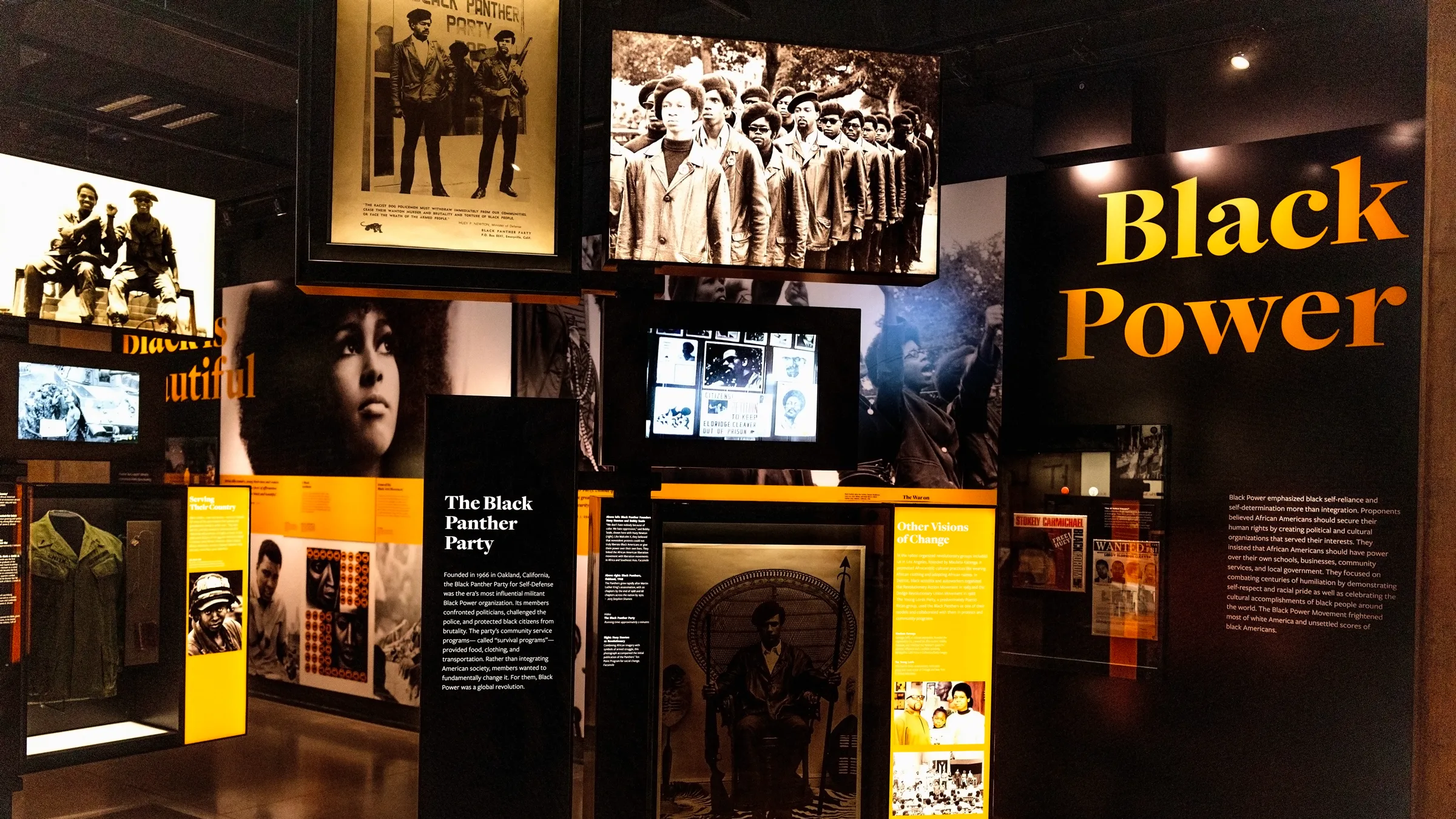
WASHINGTON, D.C. — A growing storm is brewing over what some are calling an attempt to “erase Black history.” At the center of this heated debate is the Smithsonian’s National Museum of African American History and Culture (NMAAHC), often referred to lovingly by supporters as the “Blacksonian.”
Recently, several powerful and historic exhibits were removed or rotated out, including items connected to Harriet Tubman, Frederick Douglass, and the movie 12 Years a Slave. Now, critics, lawmakers, and civil rights leaders are sounding the alarm, accusing the federal government of playing politics with Black history.
What Happened?
In March, President Donald Trump signed a controversial executive order that demanded the removal of exhibits that he claimed, “divide Americans based on race.” Just weeks later, the museum began taking down at least 32 key artifacts sparking outrage across the country.
While the White House now denies involvement, many are not convinced. The Smithsonian insists the removals are part of standard rotation and loan return processes. But the timing raises serious questions.
Powerful Artifacts Removed
Among the priceless items recently pulled from display:
- Harriet Tubman’s hymn book believed to have been sung during her Underground Railroad missions
- Frederick Douglass’s personal memoir, Narrative of the Life of Frederick Douglass
- A cloth made by enslaved people
- A photo of the hip-hop group Public Enemy, which symbolized Black resistance and empowerment
- A diary linked to Solomon Northup, the free man kidnapped into slavery whose story inspired 12 Years a Slave
These pieces are more than objects they are living proof of the Black American experience, of pain, triumph, and resilience.
The People Fighting Back
One of the loudest voices protesting this shift is Rev. Robert Turner, pastor of Empowerment Temple AME Church in Baltimore. He walked 43 miles to Washington, D.C., a journey he has taken over 30 times to bring attention to what he calls a “whitewashing of history.”
“If you don’t know the horrors we went through, then you might not see the need for repairing,” Turner said. “We’re not just saving a museum. We’re saving America’s soul.”
Turner has also called for reparations for Black Americans, saying that acknowledging and preserving history is the first step toward justice.
Loaned Items Returned Early
Some donors who lent valuable items to the museum are now feeling betrayed.
Liz Brazelton, whose family donated a Civil War-era diary tied to the 12 Years a Slave story, received a letter in March stating her item was being returned early. That letter came just two weeks before Trump’s executive order raising suspicions.
“I wondered if they knew something was going to happen,” Brazelton said. “That whole exhibit was about slavery. It feels personal.”
Rev. Amos C. Brown, who loaned a 100-year-old Bible carried during civil rights protests, said he was shocked to learn his books were also being returned after years of renewals.
“I feel it’s inhumane and unjust,” Brown said. “The museum gave us a voice. Now it feels like that voice is being taken away.”
After public backlash, the museum offered to keep Brown’s items permanently but the damage, many say, was already done.
Democrats Push Back in Congress
On Capitol Hill, Democratic lawmakers are demanding answers and taking action. A letter signed by several House members accuses the Trump administration of trying to “erase Black history” and urges the Smithsonian to reject any political pressure.
Rep. Terri Sewell, a Democrat from Alabama, said, “To tell the truth means to share the good and the bad. If we don’t tell our stories, who will?”
The lawmakers are particularly concerned about JD Vance, now a Vice President on the museum’s governing board. They’re urging him not to support any efforts that would overhaul or censor museum content.
Museum Defends Its Actions
The Smithsonian maintains that exhibit rotations are routine museum practice and denies any political influence. In a statement, it said:
“Claims that objects have been removed for reasons other than adherence to standard loan agreements or museum practices are false.”
The museum also listed new upcoming exhibits, including:
- A photo focused on mass incarceration
- A painting depicting a Ku Klux Klan figure
- Artwork honoring Emmett Till, the 14-year-old lynched in 1955
Still, critics like Turner argue that key icons of Black resistance are being silenced.
Why This Matters
This isn’t just a fight over museum displays. It’s a battle over who gets to tell America’s story and which stories get left out.
From slavery to civil rights to hip-hop, the African American journey is woven into the nation’s fabric. Removing artifacts from public view, whether intentional or not, risks whitewashing that history and robbing future generations of truth.
“Our story cannot die, no matter who’s in the White House,” said Turner. “We owe it to our children Black and white to tell the full truth.”




