

As AI reshapes industries worldwide, nowhere is the contrast in attitudes more striking than in the film industry, particularly between China and Hollywood. While Hollywood studios remain cautious, balancing innovation with concerns over jobs and creative rights, China is charging ahead with a no-holds-barred approach to AI in film production and revitalization.
Reviving Classics: The $14 Million AI Kung Fu Initiative
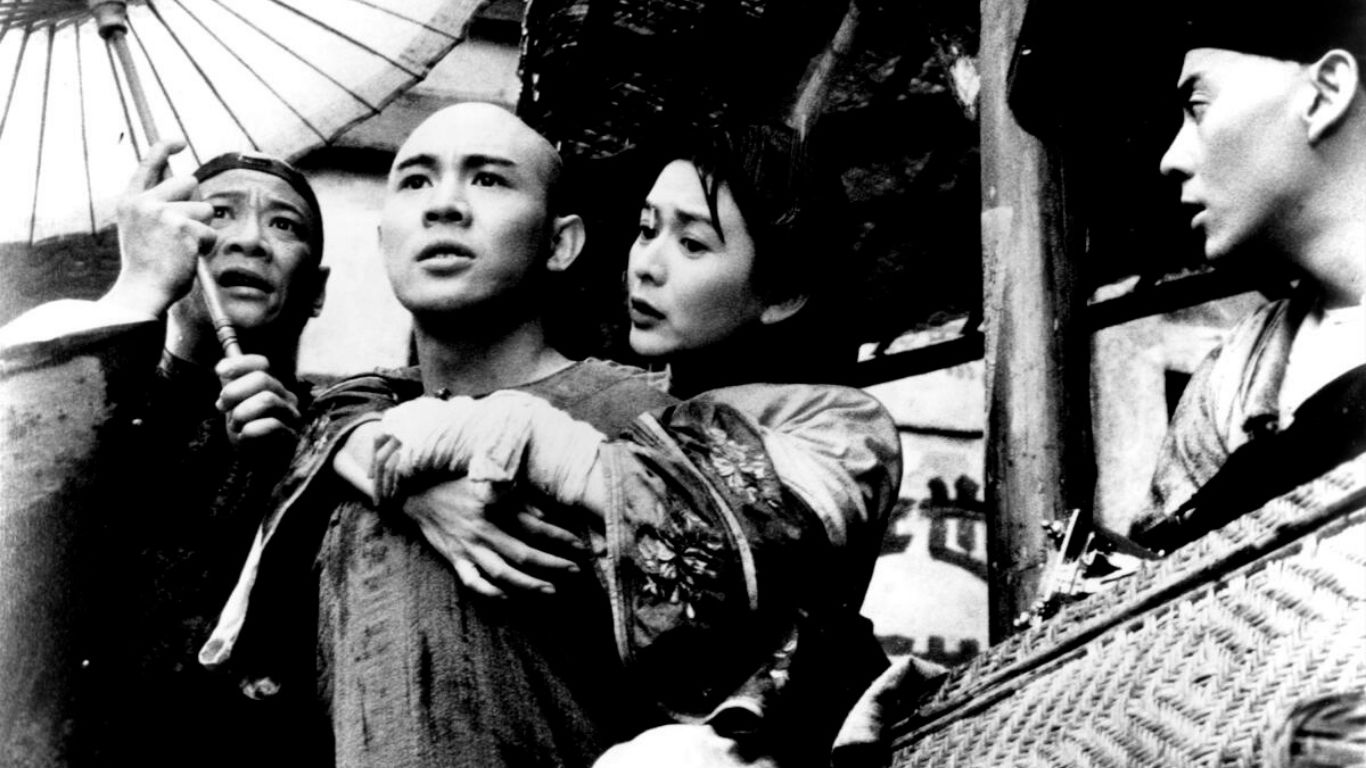
The China Film Foundation, a government-affiliated nonprofit, recently unveiled a pioneering project to revitalize 100 classic kung fu films using artificial intelligence. Titles such as Police Story (Jackie Chan), Once Upon a Time in China (Jet Li), and Fist of Fury (Bruce Lee) will be digitally restored and reintroduced to global audiences, with plans to create new animated and AI-driven experiences. The foundation has partnered with companies like Shanghai Canxing Culture & Media Co. to license these films, ensuring that AI companies can breathe new life into these cinematic treasures.
The initiative is not limited to restoration. Plans are underway to release an animated AI reinterpretation of John Woo’s 1986 classic A Better Tomorrow, leveraging AI to reimagine Woo’s signature style for a new generation. The foundation has allocated approximately $14 million to co-finance these projects, offering global partners full access to intellectual property, platform rights, and adaptation opportunities—without revenue-sharing caps.
Zhang Pimin, chairman of the China Film Foundation, emphasized the project’s goal: “By empowering cultural storytelling with technology, we can breathe new life into the classics and tell China’s stories farther and louder.” The initiative extends beyond film, with plans to develop immersive experiences such as virtual reality fight sequences and martial arts video games, further cementing the cultural legacy of these iconic movies.
Hollywood’s AI Anxiety
In stark contrast to China’s enthusiasm, Hollywood’s relationship with AI is fraught with tension. Studios are keen to cut costs and streamline production, but face strong resistance from actors, directors, and crew members who fear job losses and the erosion of creative control. The Directors Guild of America (DGA) has issued statements opposing the use of AI to retroactively alter films or distort a director’s original vision, comparing such practices to controversial colorization efforts from the past.
Hollywood guilds like SAG-AFTRA have fought for protections in contracts, ensuring that actors are compensated for the use of their digital likenesses and that AI-generated content is regulated. There is also ongoing litigation, with major studios suing AI companies for allegedly training models on copyrighted materials without permission.
Ethical and Creative Concerns
The announcement of China’s AI film project caught many original creators off guard. Bruce Lee’s estate, for example, was unaware of the initiative and is now gathering information. Director John Woo also stated he had not been consulted about the AI remake of A Better Tomorrow, noting that the rights to the film have changed hands multiple times. Woo expressed curiosity about the outcome but highlighted his lack of involvement in the project.
David Chi, representing the China Film Foundation, acknowledged the need for detailed discussions with the estates and representatives of the original stars, particularly regarding image and business rights. However, the foundation’s proactive stance and willingness to embrace AI-driven innovation set it apart from more cautious Western counterparts.
Cultural and Market Dynamics
China’s aggressive adoption of AI in film is enabled by a combination of cultural ambition, regulatory freedom, and technological pragmatism. With fewer independent labor organizations and less public opposition to technological disruption, China’s film industry can experiment more freely. AI is already widely used for script development, content moderation, recommendations, and translation. In post-production, AI has reduced the time required for visual effects from days to hours, dramatically increasing efficiency.
The enthusiasm for AI is also reflected in public sentiment. According to a United Nations Development Program survey, 83% of Chinese respondents are confident that AI is designed to act in society’s best interests, compared to just 37% in the United States.
Global Impact and Industry Perspectives
Industry observers note that China’s focus on revitalizing martial arts classics is a savvy move. These films have a global following and a legacy that transcends language and cultural barriers. As Paul Dergarabedian, senior media analyst at Comscore, puts it: “People love martial arts movies, because action travels. It doesn’t matter what language it’s in, if you have a great action sequence and great fighting sequences.”
The initiative is seen as having little downside for China, with significant potential to enhance the value of its cinematic heritage. However, it also highlights the growing divide between China’s embrace of AI and Hollywood’s more cautious, regulated approach.
The Future of Film in the AI Era
China’s bold experiment with AI in film production signals a new era for the global entertainment industry. As studios in the West grapple with ethical, legal, and labor challenges, China is positioning itself as a leader in AI-driven content creation and cultural export. The outcome of this initiative could set the tone for how AI is used in filmmaking worldwide, shaping the future of storytelling and audience engagement.




