

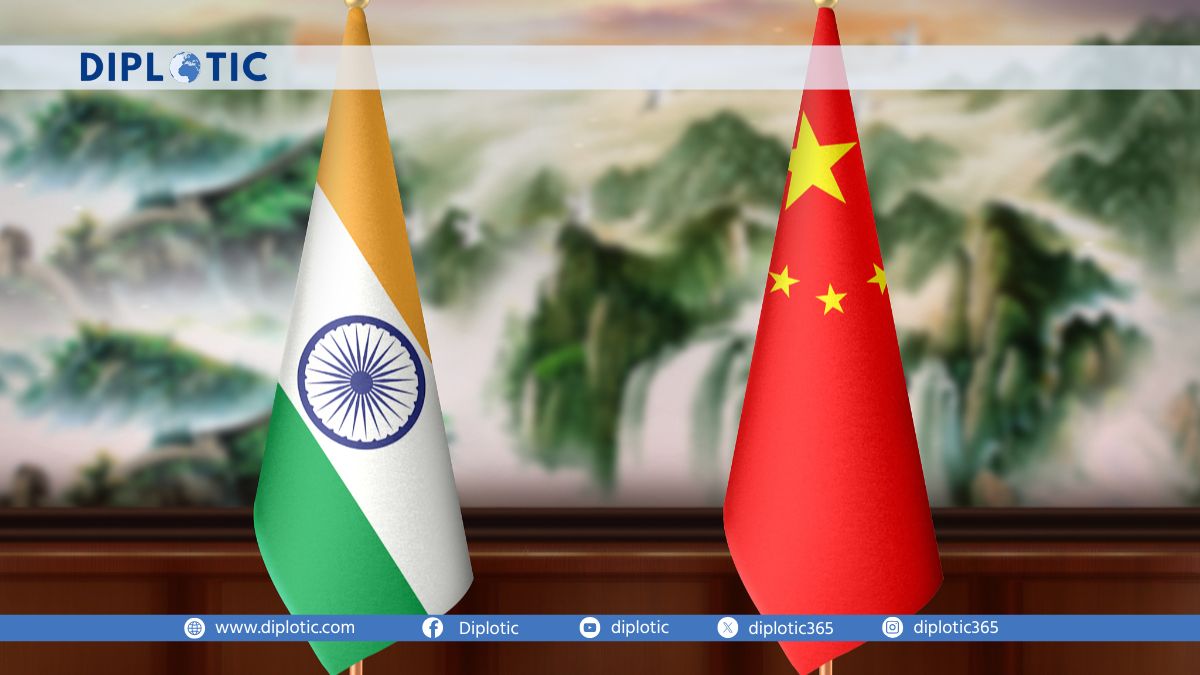
A Shifting Alliance: Historical Context of Sino-Indian Relations
The pledge by China’s President Xi Jinping and India’s Prime Minister Narendra Modi to be “partners, not rivals” at the Shanghai Cooperation Organisation (SCO) summit in Tianjin on August 31, 2025, marks a pivotal moment in a relationship historically fraught with tension. Since the 1962 Sino-Indian War, which left a lingering border dispute along their 3,800-kilometer Himalayan frontier, trust has been scarce. The 2020 Galwan Valley clash, killing 20 Indian and four Chinese soldiers, froze ties, halting direct flights, restricting visas, and banning over 200 Chinese apps in India, including TikTok. Bilateral trade, however, persisted, reaching $118 billion in 2024, with China as India’s second-largest trading partner despite a $99.2-billion trade deficit. This history of rivalry, punctuated by brief thaws, sets the stage for the leaders’ meeting, their first in China in seven years, driven by shared frustrations over U.S. tariffs and a desire to stabilize ties. The SCO, founded in 2001 by China, Russia, and Central Asian states to counter Western influence, provides a symbolic backdrop for this realignment, echoing India’s shift from non-alignment to multi-alignment since the 1990s.
Summit Signals: A Strategic Pivot Amid U.S. Tariffs
The Tianjin summit, the largest SCO gathering to date with over 20 leaders, including Russia’s Vladimir Putin, saw Xi and Modi commit to deepening trust. Xi emphasized a “strategic and long-term perspective,” calling friendship the “right choice.” Modi highlighted an “atmosphere of peace and stability,” noting a recent border patrol agreement and the resumption of direct flights, suspended since 2020. No timeline was given, but the move follows China’s lifting of export curbs on rare earths and fertilizers in August 2025, signaling economic warming. The catalyst? U.S. President Donald Trump’s 50% tariffs on Indian goods, imposed August 27, 2025, for India’s Russian oil purchases, which hit $30 billion in 2024. These tariffs, the highest among U.S. partners, pushed India toward China, as both face trade pressures. X posts reflect sentiment: “Modi and Xi uniting against Trump’s trade war is a game-changer.” The summit’s timing, days before Beijing’s military parade marking 80 years since World War II’s end, underscores China’s global flex, with India as a key partner.
Economic and Geopolitical Stakes: Opportunities and Contradictions
The China-India rapprochement aims to reboot economic ties. China’s manufacturing prowess complements India’s service sector, with potential to reduce reliance on Western markets. Bilateral trade, already over $100 billion annually, could grow with eased visa rules and resumed pilgrimages to Tibet’s Kailash Mansarovar. Yet, contradictions persist. India’s hosting of the Dalai Lama and China’s support for Pakistan, India’s rival, remain fault lines. The border dispute, while eased by a 2024 patrol deal, is unresolved, with 100,000 troops still deployed. China’s planned mega-dam on the Brahmaputra River threatens India’s water security, potentially cutting flows by 85% in dry seasons. Economically, India’s trade deficit with China frustrates policymakers, and competition in manufacturing looms as India pushes its “Make in India” initiative. X users note: “Partners today, rivals tomorrow—trust is fragile.” If successful, this partnership could reshape global trade by 2030, leveraging the 2.8 billion people in both nations. If not, underlying tensions could reignite conflict.
Global Implications: A Multipolar Message
The SCO summit, with 10 member states like Iran and Pakistan and 16 observers, amplifies the Global South’s voice against Western dominance. India’s participation, alongside its Quad membership with the U.S., Japan, and Australia, reflects its strategic autonomy. Trump’s tariffs, also hitting China, have accelerated this shift, with Beijing opposing them as “bullying.” Analysts like Eric Olander see the SCO as China’s “parallel governance architecture,” challenging NATO. Russia’s presence, with Putin welcomed warmly, underscores a trilateral dynamic with India and China, reducing dependence on the U.S. Yet, the summit’s symbolic nature limits concrete outcomes, as Daniel Balazs notes, with joint statements often diluted. X posts warn: “India’s balancing act risks alienating the U.S.” By 2030, if ties deepen, China and India could lead a multipolar order, boosting BRICS’ clout. Failure risks fragmentation, with India caught between Western allies and Asian neighbors.
Future Pathways: Can Trust Endure?
The Modi-Xi pledge hinges on sustained dialogue. China’s Foreign Minister Wang Yi’s August 2025 visit to India laid groundwork, easing visa and trade barriers. The SCO’s focus on security and economic cooperation offers a platform, but structural issues—border disputes, Pakistan, and water conflicts—persist. India’s $434-billion export engine seeks new markets, with Japan pledging $68 billion in investments by 2030. If U.S. tariffs soften through talks, India may lean back Westward. For now, Modi’s China visit signals pragmatism, not a full reset. As analyst Happymon Jacob notes, managing China is India’s “core strategic preoccupation.” Success could see 7% GDP growth sustained, per IMF forecasts, and a stronger Global South. Failure risks renewed tensions, stalling economic gains. X sentiment captures hope and doubt: “Dragon and elephant together? Let’s see action, not just words.” The coming years will test whether this partnership can outlast historical rivalries and global pressures.




