

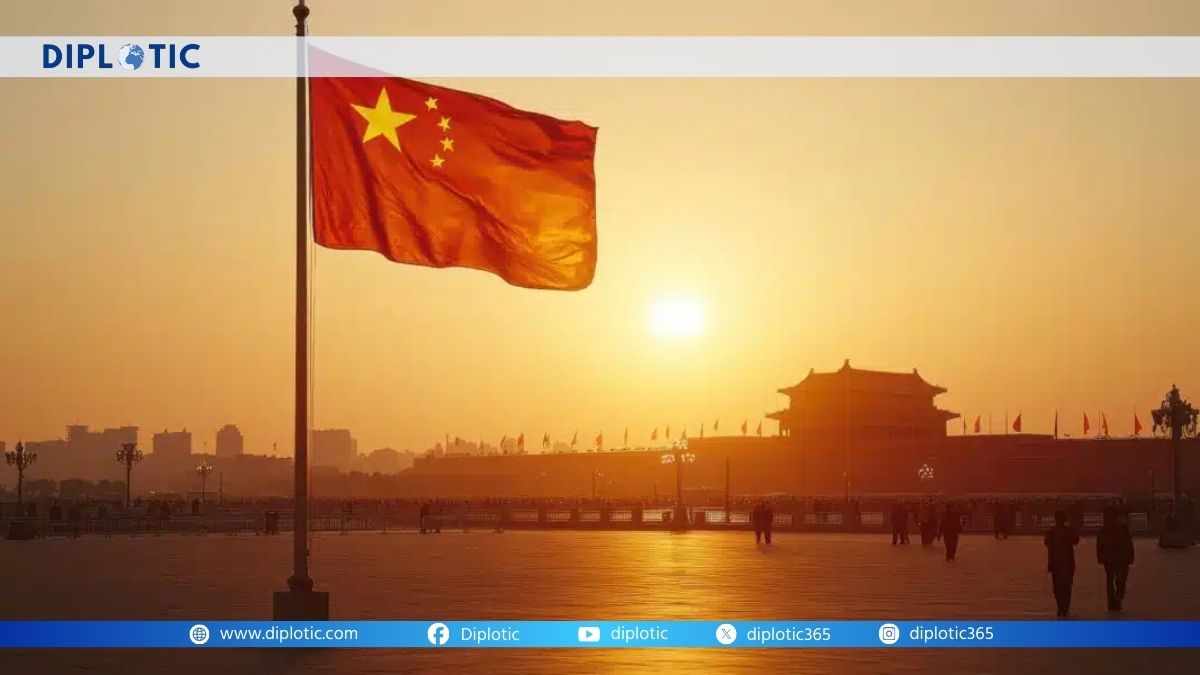
Global trade is moving through a period of stress and adjustment. Supply chains are under pressure, protectionist signals are growing louder, and trust between major economies is often fragile. Against this backdrop, China’s message at the Asia-Pacific Economic Cooperation (APEC) meetings in Guangzhou was clear and deliberate: cooperation, not retreat, remains its preferred path. Senior Chinese customs officials signaled readiness to deepen engagement with other APEC economies, focusing on cross-border e-commerce, green trade, agriculture, and digital connectivity. The announcement was not just a statement of intent. It reflected how deeply China’s trade future is tied to the Asia-Pacific region, and how APEC has become central to Beijing’s broader strategy of economic stability and growth in an uncertain global environment.
Why APEC Still Matters to China’s Trade Strategy
APEC is not a treaty-based bloc, nor does it impose binding trade rules. Yet it plays a powerful role in shaping economic norms and cooperation across the Asia-Pacific. For China, this forum has become increasingly important as trade relations with some Western partners face political and regulatory headwinds. Customs data shows that China’s trade with other APEC economies reached 26.29 trillion yuan, or about $3.79 trillion, in 2025. This accounted for nearly 58 percent of China’s total foreign trade for the year. Over the entire 14th Five-Year Plan period from 2021 to 2025, cumulative trade with APEC partners exceeded 125 trillion yuan, marking an increase of almost 40 percent compared to the previous five-year period.
These figures highlight a structural reality. Even as global trade growth slows, China’s economic links with the Asia-Pacific remain strong and, in many cases, are deepening. Countries such as members of the Association of Southeast Asian Nations, along with Peru and Mexico, have become key growth markets. This diversification reduces dependence on any single region and reflects a broader shift in global trade flows toward emerging and middle-income economies.
At the APEC senior officials’ meeting, Zhao Zenglian, vice-minister of the General Administration of Customs, framed cooperation as a shared necessity rather than a political choice. He pointed to growing pressures on supply chains and argued that customs authorities must respond together by improving transparency, policy coordination, and efficiency. In practical terms, this means faster clearance, clearer rules, and fewer unexpected disruptions for businesses operating across borders.
Customs Cooperation as the Quiet Engine of Trade
While trade agreements often capture headlines, customs cooperation is where trade either flows smoothly or stalls. Delays at ports, inconsistent rules, and lack of information sharing can quietly undermine even the most ambitious trade frameworks. China’s push within APEC focuses heavily on this technical but critical layer of trade governance.
Zhao emphasized the need for regulatory transparency and predictable procedures. For exporters and importers, especially small and medium-sized firms, uncertainty at the border can be more damaging than tariffs. Simplified customs procedures, shared standards, and clear communication reduce costs and lower risks. These issues become even more important as cross-border e-commerce expands, bringing millions of smaller shipments into international trade systems that were originally designed for large bulk cargo.
Officials from other APEC economies echoed these concerns. Representatives from Australia and New Zealand highlighted the value of information sharing and digital tools in managing rising trade volumes with limited resources. Scott Butters of the Australian Border Force noted that closer cooperation with China could help both sides identify risks while allowing legitimate trade to move faster. Brendan Pearce from New Zealand raised the question of how artificial intelligence could help customs agencies process more data efficiently, ensuring security without slowing commerce.
This focus on cooperation at the operational level suggests a pragmatic approach. Rather than debating ideology, APEC economies are concentrating on how trade actually works day to day. In an era of geopolitical tension, such practical collaboration may be one of the few areas where consensus remains achievable.
Digital Trade, Green Growth, and the Next Phase of Integration
Beyond traditional goods, China is placing strong emphasis on emerging areas of trade. Digital connectivity, green products, and agricultural access featured prominently in its APEC message. These sectors reflect both China’s domestic economic transition and the evolving demands of regional markets.
China’s exports of high-tech products to APEC economies reached 4.63 trillion yuan in 2025, an increase of over 8 percent from the previous year. Electric vehicles, lithium-ion batteries, and photovoltaic equipment led this growth. These products are closely tied to global efforts to reduce carbon emissions and shift toward cleaner energy systems. For many APEC economies, access to affordable green technology is a priority, and China has positioned itself as a major supplier.
The shift is visible at the company level. LM Wind Power Blades in Fujian exported high-end wind turbine blades worth 650 million yuan in 2025, with sharp increases in both volume and value. As offshore wind projects expand across Asia-Pacific markets, demand for large and reliable components continues to rise. Similarly, CJ (Shenyang) Biotech, a feed additive producer, reported strong growth in exports to countries such as Australia, Mexico, and Thailand, reflecting rising demand linked to food security and agricultural modernization.
Digital trade adds another layer. Enhancing interoperability of digital infrastructure and data exchange can reduce friction and open markets for services as well as goods. However, it also raises concerns about data security and standards. By placing these issues on the APEC agenda, China appears to be seeking rules and systems that support openness while addressing shared risks.
What China’s APEC Push Signals About the Future of Trade
China’s readiness to deepen cooperation with APEC economies sends a broader signal about its trade outlook. Rather than turning inward, Beijing is reinforcing regional ties and emphasizing inclusive growth. This does not mean the absence of competition or disagreement. Differences over standards, technology, and security will remain. But the focus on customs cooperation, digital tools, and green trade suggests a belief that economic integration can still advance, even in a fragmented global order.
For other APEC members, the challenge will be balancing engagement with China against domestic concerns and external pressures. Yet the scale of existing trade makes disengagement unrealistic. With more than half of China’s foreign trade tied to APEC partners, and with many regional economies relying on Chinese demand and supply chains, cooperation is less an option than a necessity.
The APEC process itself offers a flexible platform. Its non-binding nature allows economies with different systems and priorities to work together on practical issues. In this sense, China’s message in Guangzhou was not revolutionary. It was a reminder that, despite rising geopolitical tension, the Asia-Pacific remains one of the world’s most interconnected and economically dynamic regions.
As global trade continues to adjust to new realities, the question is not whether cooperation will face challenges, but whether it will be abandoned altogether. China’s stance suggests it is betting on the former. In doing so, it places APEC at the center of its effort to navigate uncertainty, maintain growth, and shape the rules of regional trade in the years ahead.




