

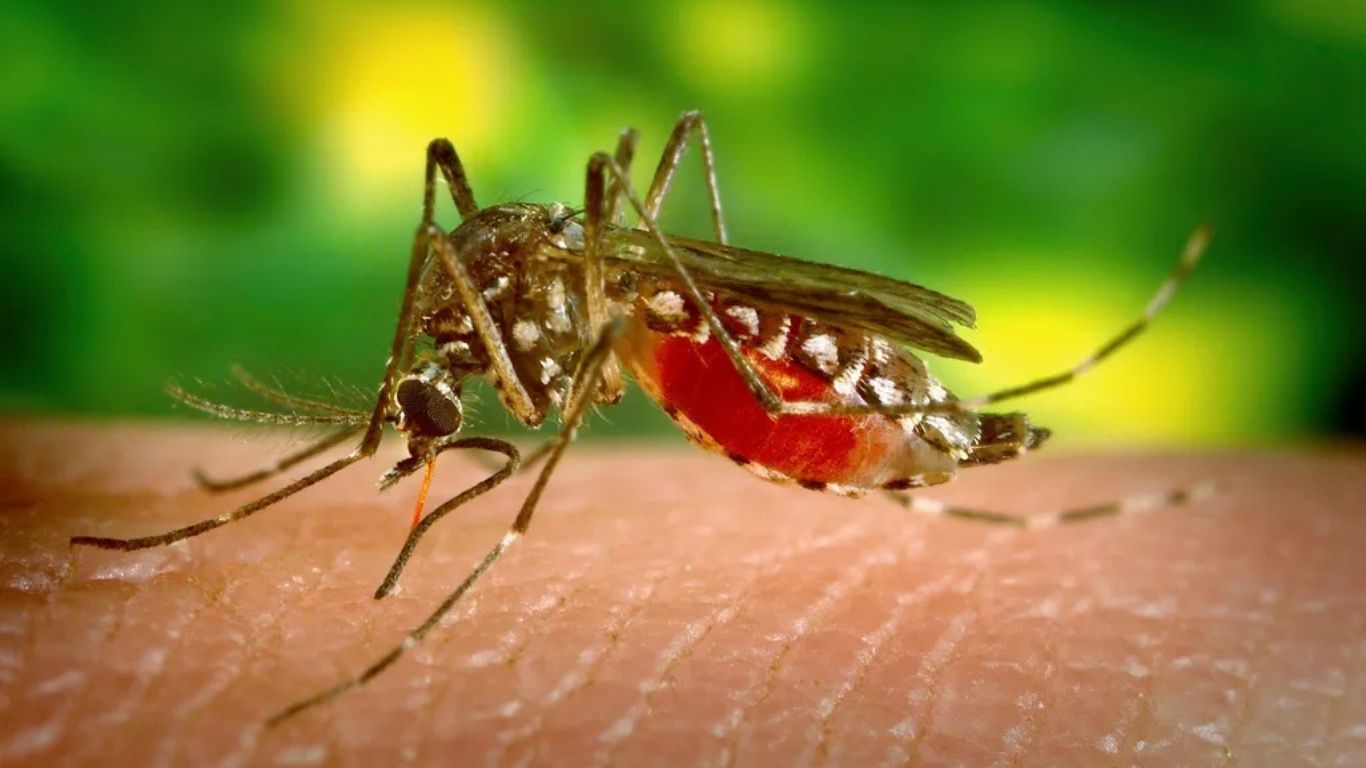
The chikungunya virus (CHIKV), a mosquito-borne alphavirus causing debilitating fever and joint pain, is resurging across South Asia and beyond, with over 240,000 cases and 90 deaths reported globally in 2025 as of July. [Web:0] Fueled by the Aedes mosquito, climate shifts, and human travel, CHIKV has spread to 119 countries, putting 5.6 billion people at risk. [Web:15,23] In South Asia, India, Sri Lanka, Bangladesh, and Pakistan face escalating outbreaks, worsened by rainy seasons and urban sprawl. [Web:0, Post:6] The World Health Organization (WHO) warns of a potential repeat of the 2004–2005 epidemic, with Europe reporting imported cases and local transmission in France and Italy. [Web:15] Despite two approved vaccines, access remains limited, and no specific antiviral exists. [Web:1,6] Is this a natural cycle amplified by climate and neglect, or are there deeper systemic failures at play? With a critical lens on the data and skepticism of global health narratives, let’s unpack the virus’s spread, its impact in South Asia, and the challenges ahead.
Chikungunya’s Resurgence: A Global Snapshot
First identified in Tanzania in 1952, CHIKV, named from the Kimakonde phrase for “that which bends up” due to severe joint pain, has surged since 2004, driven by viral mutations like E1-A226V, enhancing transmission via Aedes albopictus mosquitoes. [Web:1,11,24] As of July 2025, the European Centre for Disease Prevention and Control (ECDC) reports 240,000 cases across 16 countries, with Asia contributing over 34,000 from India, Sri Lanka, Mauritius, Pakistan, and China. [Web:0] The Americas, particularly Brazil and Paraguay, lead with high burdens, while Africa’s cases cluster in Senegal, Kenya, and Indian Ocean islands like Réunion (54,000 cases) and Mayotte (1,098 cases). [Web:0,10] Europe sees sporadic local transmission, with 31 autochthonous cases in France and Italy, fueled by imported cases and established Aedes albopictus populations. [Web:0,15]
Symptoms—fever, rash, and crippling arthralgia—mimic dengue and Zika, complicating diagnosis. While rarely fatal (mortality ~0.01–0.05%), chronic joint pain can last months or years, with 40% of cases developing rheumatologic issues. [Web:1,13] Severe cases, especially in newborns and the elderly, risk neurological complications or death. [Web:1,4] The virus’s spread is tied to Aedes mosquitoes, thriving in urban areas with standing water, amplified by climate-driven humidity and disrupted vector control post-COVID. [Web:8,14]
South Asia’s Hotspot: India, Sri Lanka, and Beyond
South Asia is a chikungunya epicenter. India, with a 2006 outbreak of 1.3 million cases, faces renewed surges in Karnataka, Maharashtra, and Delhi, driven by the ECSA genotype’s E1-A226V mutation. [Web:9,17] X posts from @TV9Bharatvarsh note India’s role in the 2024 outbreak, with 66 U.S. traveler cases linked to the country. [Web:6, Post:5] Sri Lanka and Bangladesh report “hotbeds,” exacerbated by monsoon rains, while Pakistan sees rising cases in urban centers like Karachi. [Web:23, Post:6] The region’s dense populations, unplanned urbanization, and weak vector control—disrupted during COVID—fuel transmission. [Web:8,9] A 2023 study highlights three CHIKV lineages circulating in South Asia, with India’s research output growing but clinical frameworks lagging. [Web:9]
China’s Alarm: Foshan’s Outbreak
In China’s Guangdong province, Foshan reports over 7,000 cases, doubling in 24 hours as of August 5, 2025, with spread to Guangzhou, Shenzhen, and Hong Kong (one imported case). [Web:17, Post:7] The CDC issued a travel warning, citing imported cases driving local transmission via Aedes mosquitoes. [Web:17] Foshan’s response includes 7,000 mosquito-proof beds, larvae-eating fish in lakes, and “elephant mosquito” releases to curb Aedes populations. [Web:17] China’s National Health Commission emphasizes prevention, as vaccines like Valneva’s VLA1553 are not yet public. [Web:6,17]
Global Spread: Europe, Americas, and Africa
Europe faces growing risk, with 800 imported cases in France and 12 local transmission events in southern regions, plus one in Italy. [Web:15] The Americas report 3.7 million cases since 2013, with Brazil’s ECSA-American sub-lineage dominant in 2023 outbreaks in Paraguay (138,730 cases) and Argentina. [Web:10,14] Africa’s Indian Ocean islands, like Réunion, see “sustained high transmission,” with one-third of the population infected. [Web:15,17] Madagascar, Somalia, and Kenya report cases, with potential underreporting due to weak surveillance. [Web:0,15]
Challenges: Vaccines, Misdiagnosis, and Climate
Two vaccines—Valneva’s VLA1553 and Bavarian Nordic’s—are approved in the U.S. and EU but scarce in South Asia and China. [Web:6] Misdiagnosis with dengue or Zika, due to symptom overlap, hampers control, especially in resource-poor settings. [Web:1] Climate change extends Aedes habitats, with warmer temperatures and humidity enabling mosquitoes in new areas, like southern Europe. [Web:14] Disrupted vector control during COVID and insecticide resistance further complicate efforts. [Web:8]
The Bigger Picture: Systemic Gaps or Overblown Panic?
The WHO’s alarm, echoed by X posts like @bosunatiklama, frames CHIKV as a looming global crisis, but skepticism is warranted. [Post:0] Claims like @toobaffled’s link to “Bill Gates-funded” mosquitoes lack evidence and muddy the waters. [Post:3] South Asia’s outbreaks reflect structural issues—poor sanitation, urban overcrowding, and uneven healthcare—more than a novel threat. Yet, the WHO’s call for action, backed by PAHO, stresses surveillance and vector control, as seen in Paraguay’s 2023 response. [Web:14] With no antiviral treatment, prevention hinges on mosquito control and public awareness, but vaccine delays and political mistrust risk undermining efforts.
What’s Next? A Precarious Future
As South Asia battles monsoon-driven outbreaks, global spread via travel and climate shifts threatens new hotspots. The WHO’s Global Strategic Preparedness Plan urges enhanced diagnostics and vector control, but funding and access lag. [Web:6] Europe’s local cases signal a potential foothold, while China’s Foshan outbreak tests containment. [Web:15,17] South Asia needs urgent investment in sanitation and vaccine distribution to curb CHIKV’s toll. With 5.6 billion at risk, the virus’s trajectory depends on whether global health systems can outpace its spread—or if bureaucratic inertia and skepticism let it spiral. For now, South Asia’s pain is a warning the world can’t ignore.




