

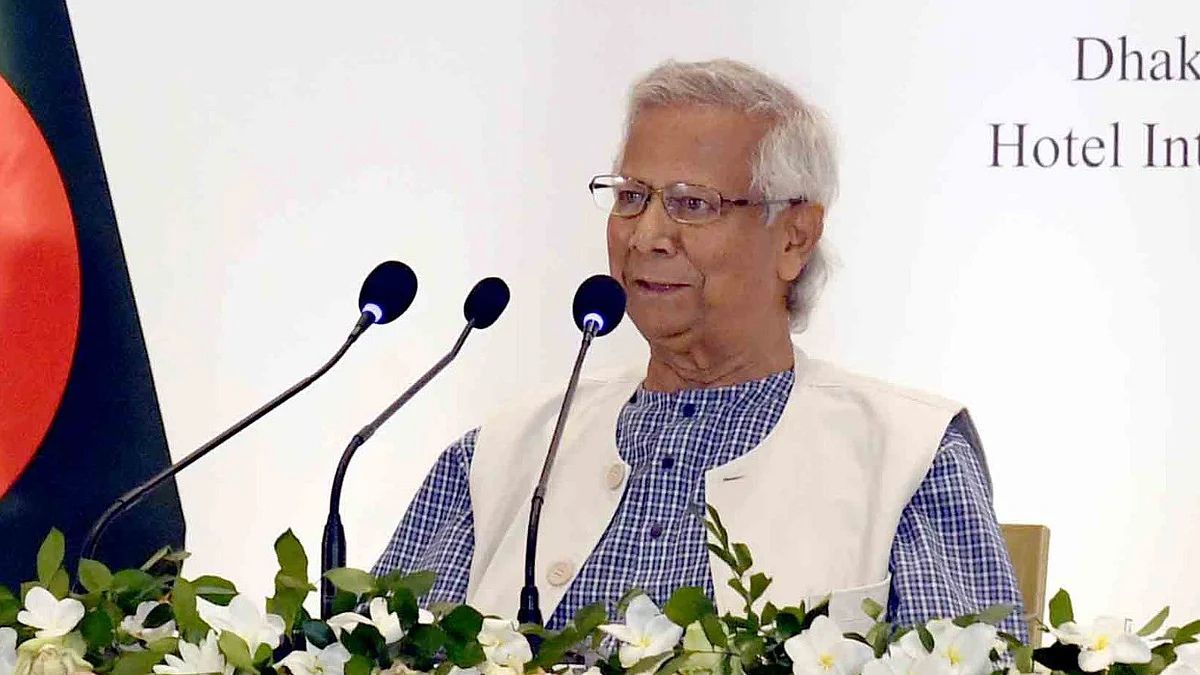
On August 5, 2025, Bangladesh’s interim Chief Adviser, Muhammad Yunus, announced a February 2026 election, a shift from earlier December 2025–June 2026 estimates, citing the need for reforms to ensure a “festive, peaceful” vote. This move, tied to the “July Declaration” post-2024 uprising that ousted Sheikh Hasina, has sparked debate: Is the Chief Adviser’s Office (CAO) strategically preempting political unrest to stabilize a fractured nation, or is it delaying democracy to entrench power? With the Awami League banned, the Bangladesh Nationalist Party (BNP) pushing for early polls, and rising tensions with the military and Islamist groups, the CAO’s timeline and reforms raise questions about motives. Drawing on recent developments and social media sentiment, let’s dissect whether this is a genuine bid for stability or a calculated stall, critically examining the power dynamics at play.
The Context: A Nation in Flux
The 2024 student-led uprising, which ended Hasina’s 15-year rule, left Bangladesh grappling with a political vacuum, economic woes, and communal tensions. Yunus, appointed Chief Adviser on August 8, 2024, leads a technocratic interim government tasked with reforms and elections. The “July Declaration” outlines 26 reforms, including constitutional, judicial, and electoral changes, to be finalized by six commissions by December 31, 2025. However, violence, including mob attacks, and a surge in crime—murders and extortion up 30% since August 2024, per media records—has strained the CAO’s legitimacy. The military, led by General Waker-uz-Zaman, who facilitated Hasina’s exit, now pushes for elections by December 2025, warning that prolonged interim rule threatens stability.
The Strategy: Preempting Agitation?
The CAO’s February 2026 timeline may aim to quell unrest by setting a clear election date, addressing BNP demands for swift polls and countering street protests, like those from the Anti-Discrimination Student Movement (ADSM) demanding reforms. However, some Social media posts praise Yunus for “balancing reform with urgency,” noting the timeline aligns with Ramadan’s start (February 17, 2026), a cultural deadline to avoid voter suppression. The CAO’s inclusion of student leaders like Nahid Islam and Asif Mahmud as advisers signals responsiveness to youth demands, while reforms target Hasina-era abuses, like the 600+ enforced disappearances documented by Human Rights Watch.
Yet, the timeline’s compression—shaving months off earlier projections—suggests a reaction to mounting pressure. The BNP, poised to dominate with the Awami League banned, has threatened to withdraw support unless elections occur sooner, with social media warning, “Delay risks chaos.” General Waker-uz-Zaman’s May 2025 speech, urging elections by year-end, highlighted army fatigue with policing duties, with 5,000 troops deployed since July 2024. The CAO’s move may also counter Islamist groups like Jamaat-e-Islami, whose influence grows amid the Awami League’s absence.
Stalling Democracy?
Some critics argue the CAO is using reforms as a pretext to delay elections, consolidating power under the guise of stability. Shajeeb Wazed Joy, Hasina’s son, claims the timeline masks an “unconstitutional” power grab, as the Supreme Court’s August 2024 ruling on the interim government’s legality remains contested. The Awami League’s ban, driven by the National Citizen Party (NCP) and Jamaat, sidelines a major player, risking unrest from its 30% voter base, per 2024 election data. AL supporters calls it “electoral cleansing,” alleging Yunus caters to BNP and Islamist agendas.
The CAO’s reform commissions face scrutiny for slow progress. Only 20% of judicial reform recommendations were implemented by July 2025, per International Crisis Group, and police restructuring lags, with 1,000+ cases against Awami League members raising fears of vendettas. Economic woes—11.38% inflation, $104 million FDI in Q3 2024 (down 71% from 2023)—add pressure, with The World Bank warning of stalled growth. Some say, “Reforms are a distraction—economy’s collapsing, and Yunus is buying time.”
The Military and Regional Tensions
The army’s role complicates the CAO’s strategy. General Waker-uz-Zaman’s push for elections reflects unease with the interim government’s unelected status, with reporters noting his call for a “politically empowered government.” The army’s restraint during the 2024 protests, refusing to fire on students, contrasts with its magisterial powers now, raising fears of influence akin to 2006–2008. India, a Hasina ally, watches warily as Yunus distances Dhaka from New Delhi, with tensions over Hasina’s extradition and border issues.
Stability or Stagnation?
The CAO’s timeline may stabilize Bangladesh by channeling unrest into electoral anticipation, but it risks entrenching divisions. The Awami League’s ban, while popular with protesters, alienates a significant bloc. The interim government’s technocratic nature—lacking elected legitimacy—struggles with governance, with crime rates up and police morale low. Atlantic Council warns that delays beyond February 2026 could let “undemocratic forces tighten their grip,” citing Jamaat and freed militants like Ansar al-Islam’s Jashimuddin Rahmaani.
What’s Next?
The CAO must deliver reforms by December 2025 to meet its timeline, with the Election Commission preparing for 170 million voters across 350 constituencies. Failure risks protests, as seen in October 2024 when students demanded President Shahabuddin’s resignation. The BNP’s electoral edge could restore stability, but a rushed vote may repeat 2024’s flawed 40% turnout. Fair polls need neutral institutions—CAO’s cutting corners. Whether Yunus’s office is preempting agitation or delaying democracy hinges on execution. For now, February 2026 is a tightrope—stability on one side, chaos on the other.




