

Why Pakistan Is Pushing for a New Bloc
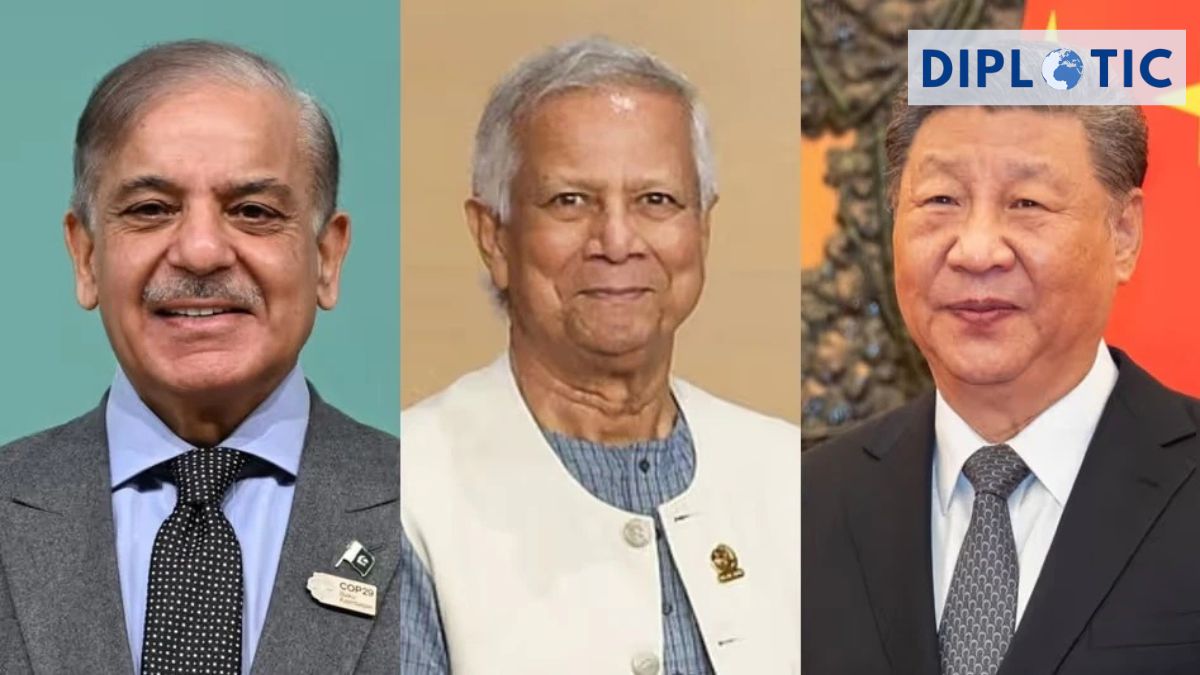
In December 2025, Islamabad Conclave became the stage for a bold pitch by Ishaq Dar, Pakistan’s Deputy Prime Minister and Foreign Minister. He proposed expanding the existing trilateral cooperation among Pakistan, Bangladesh, and China, first convened in June 2025, into a broader regional bloc. The aim: to foster “mutual collaboration” around economic development, regional connectivity, and shared priorities. He emphasized that South Asia “can no longer afford to remain trapped in zero-sum mindsets, political fragmentation, and dysfunctional regional architecture.”
Put plainly, this initiative envisions a new South Asian bloc, one that could serve as an alternative to the long-stalled SAARC (South Asian Association for Regional Cooperation). According to Dar, it would rest on “variable geometry,” meaning flexible coalitions formed around economic, technological, or connectivity issues rather than rigid, all-or-nothing regional consensus.
The backdrop is key: SAARC has been paralyzed for years. The last summit was held in 2014. Its 2016 Islamabad summit was canceled after India, SAARC’s biggest and most influential economy, pulled out in protest over security concerns. Since then, deep India–Pakistan tensions have kept the regional body largely defunct.
Thus, proponents argue a fresh blueprint might revive regional cooperation but under a new paradigm, one less dependent on consensus among all eight SAARC members, especially India.
What the New Bloc Would Mean: Goals and Vision
Advocates of the bloc highlight several proposed advantages:
- Economic cooperation & connectivity: The new bloc could prioritise infrastructure, trade, and cross-border connectivity projects, bypassing old geopolitical stalemates. Dar specifically flagged economy, connectivity, and technology as potential focus areas under “variable geometry.”
- Flexible regionalism, not all-or-nothing multilateralism: The bloc would not demand full participation by every South Asian country. Instead, it would allow ad-hoc, issue-based cooperation. This could appeal to smaller states whose priorities may diverge.
- Strategic realignment reflecting new geopolitical ties: The inclusion of China signals a tilt toward Beijing’s orbit aligning with Islamabad’s increasingly close ties with China.
- A chance to overcome SAARC’s dysfunction: Many analysts believe the long dormancy of SAARC has left South Asia unable to leverage its immense potential with two billion people and significant gains possible from better regional trade and integration. A new bloc might fill that vacuum.
In essence, the vision is of a renewed, pragmatic South Asia less burdened by old rivalries, more attuned to development, connectivity, and cooperation.
Obstacles and Doubts: Why Many Expect Limited Success
Despite its ambition, the proposed new bloc faces serious headwinds that limit its chances of becoming a powerful regional institution.
- Missing India drastically weakens economic and political weight. India remains by far the largest economy and market in South Asia. Excluding it could cripple the bloc’s economic viability and reduce its attractiveness to other states. As observers note, India historically contributed the lion’s share of SAARC’s economic potential.
- Smaller states may fear reprisals or lose balance. For countries like Nepal, Bhutan, Sri Lanka, or the Maldives, joining a bloc openly excluding India could carry political costs, especially given India’s regional influence, trade links, and proximity.
- The initiative remains “aspirational, not operational.” Experts argue that the idea is still more rhetorical than concrete. There’s little evidence yet of binding treaties, institutional architecture, or commitments beyond declarations.
- Regional fragmentation risk — more blocs, more confusion. South Asia is already fragmented with multiple overlapping organisations and mini-groupings. Adding another bloc risks duplication, deepening divisions, and eroding chances for unity across issues like trade, climate, migration, and infrastructure.
- India’s likely counter-moves and geopolitical pushback. Given India’s strategic weight, it could retaliate diplomatically or strengthen alternative regional forums (such as the BIMSTEC Bay of Bengal Initiative for Multi-Sectoral Technical and Economic Cooperation) to maintain influence, thereby undermining the new bloc’s relevance.
Because of these factors, many analysts remain skeptical that the proposed bloc will rapidly emerge as a viable, stable regional alternative to SAARC.
What Countries (Including Bangladesh) Should Consider Stakes for Neighbours
For countries in South Asia, including Bangladesh, the decision to join or stay away from such a bloc is not trivial. The calculus will likely involve:
- Economic benefits vs strategic risks: Joining could bring connectivity, infrastructure projects, and trade, but may also upset existing partnerships, especially with India. Smaller states will weigh immediate economic incentives against long-term geopolitical costs.
- Preserving diplomatic balance: Many South Asian states prefer not to be forced into “choose sides” scenarios between India and China-led blocs. For them, alignment with one side may limit flexibility in foreign policy.
- Need for institutional substance over rhetoric: To deliver value, any new bloc must offer real frameworks for trade, transport, dispute resolution, and development cooperation, not just declarations. Without institutional depth, the bloc risks remaining symbolic.
- Regional integration vs regional fragmentation: Decision-makers will need to assess whether another bloc will help cohesion and cooperation or deepen fragmentation and rivalry, undermining the overall prospects for South Asian unity.
Conclusion: Ambitious in Vision Uncertain in Reality
Pakistan’s proposal for a new South Asian bloc anchored in its recent trilateral cooperation with Bangladesh and China offers a bold vision: to revamp regional cooperation, sidestep the deadlock of SAARC, and push for issue-based, flexible multilateralism. On paper, it promises connectivity, economic cooperation, and a fresh diplomatic reset for South Asia.
Yet, real-world challenges loom large. Without the participation of India, the region’s largest economy and population hub, the bloc may struggle to generate enough economic weight or pull other countries in. Smaller states may hesitate due to political costs and the risk of being caught between competing regional powers.
At this stage, the idea remains more of a diplomatic signal than a concrete plan. For South Asia to truly benefit and for this bloc to matter, its proponents will need to build an institutional backbone, demonstrate tangible benefits, and persuade sceptical states that the bloc serves their long-term interests. Until then, this new initiative is best viewed as an ambitious proposal with uncertain prospects.




