

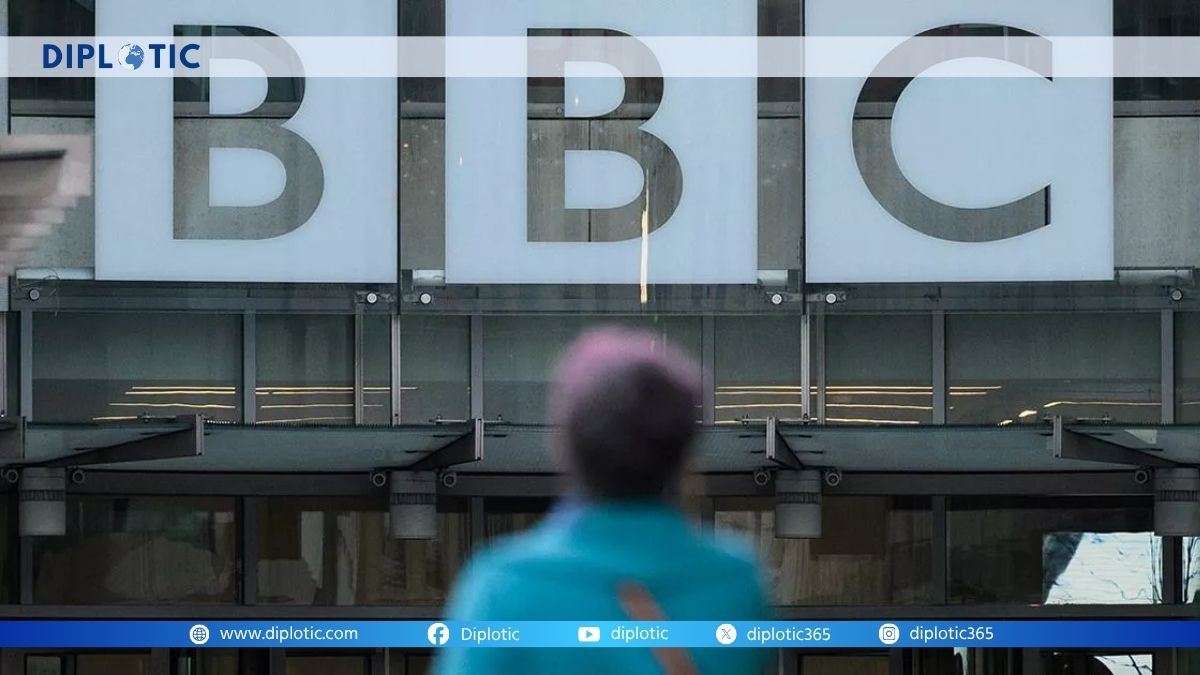
On a tense Sunday in November 2025, the BBC lost its two top leaders in one swift blow. Tim Davie, the director general, and Deborah Turness, head of news, both stepped down. Many point to a bad edit in a 2024 documentary about Donald Trump‘s January 6 speech. The clip made Trump sound like he urged violence, but the real words called for peace. This mistake sparked outrage. Yet, the full story runs deeper. Davie used the word “febrile” in his goodbye note—meaning feverish or heated—to describe the wild pressures on the BBC. In a calmer time, one old error might not end careers. But today, with constant attacks, funding fights, and a media war, it became the final push. What mix of forces really drove them out? Let’s unpack the layers.
What Role Did the Trump Documentary Really Play?
The edit at the center happened in a Panorama special called “Trump: A Second Chance?” It aired just before the 2024 U.S. election. The show looked at Trump’s return to power. One short clip stitched parts of his January 6, 2021, speech. In the full version, Trump said: “We’re going to walk down to the Capitol and cheer on our brave senators and congressmen and women. We will peacefully and patriotically make your voices heard.” He used “fight like hell” elsewhere, but not tied to marching.
The BBC cut removed the peaceful parts. It joined sentences to sound like Trump promised to lead a fight at the Capitol. Viewers spotted it fast. Complaints poured in. An internal memo by adviser Michael Prescott called it a breach of rules. He said the edit changed meaning and slipped past checks. The documentary came from an outside company, adding confusion over who approved it.
Trump jumped on the news. He called the bosses “dishonest” on Truth Social and thanked The Telegraph for exposing it. His press secretary, Karoline Leavitt, labeled the BBC “100% fake news” and pushed a rival channel, GB News. Right-wing papers ran daily stories, calling it proof of bias.
But insiders say the edit alone did not force the quits. No proof shows Davie or Turness touched the clip. It aired over a year ago. In normal times, a fix and apology might end it. Prescott’s memo aimed to improve rules, not target leaders. The real spark? It fed a bigger fire. Critics used it to claim the BBC hates conservatives. This fit their long push to cut funding or change the BBC. Davie took blame to protect the team. Turness said mistakes hurt the place she loved.
This case shows how one slip can explode in a heated world. Media rivals wait for errors. Online clips spread fast. The BBC covers huge stories—like Gaza or Sudan—that win praise. But a single wrong second overshadows it all. It asks: In a split society, can any big outlet stay above the fight? The edit was a match, but dry wood was already there.
(Word count: 312)
How Do Endless Attacks Wear Down BBC Leaders?
The BBC faces fire from all sides every day. Right-wing voices call it left-leaning. Left-wing ones say it bows to power. This non-stop pressure makes the top job exhausting. Davie led since 2020. He promised more fairness. Turness joined news in 2022. Both fought battles over coverage.
Take Gaza reporting. The BBC pulled a documentary earlier in 2025. The narrator was linked to Hamas. It broke rules on conflicts. Davie said sorry after a review. Staff defend their war stories as balanced and deep. They point to work on Sudan or Trump’s term. But critics pick one line or guest and cry bias.
Rival media add fuel. The Telegraph runs anti-BBC pieces often. GB News grows by attacking it. A BBC source said papers “feast like vultures” on mistakes. Responses feel weak sometimes, letting claims grow.
Nick Robinson, a BBC host, said it best before the quits: Real worries about standards mix with a plan to hurt the BBC. Both happen at once. This “febrile” air means leaders defend every choice. Staff feel watched. Morale dips.
Past bosses quit for less. In 2023, the chairman left over a loan link to Boris Johnson. Gary Lineker paused hosting after policy tweets. These build up. Davie and Turness handled COVID, budget cuts, and online shifts. But constant hits take a toll. Davie spoke of “intense demands” over years. He wanted a new leader for big changes ahead.
This pressure links to the BBC’s size. It reaches most UK homes. People expect perfection. One error feels like betrayal. Parallels exist elsewhere. CNN or PBS face partisan blasts in the U.S. But the BBC’s public fund ties it to politics. Attacks aim at the wallet too. It raises a key point: Can leaders focus on good work amid daily storms? Without calm, even strong ones step away.
(Word count: 302)
Why Does the License Fee Fuel So Much Anger?
The BBC runs on a special system: Every TV home pays £174.50 a year. This fee funds shows, radio, and news without ads. It keeps the BBC free from big donors or sales pressure. For decades, it supported hits like nature docs or kids’ programs. But in 2025, with Netflix and YouTube everywhere, many ask why force payment.
Critics call it old-fashioned. Conservatives say it funds bias. They want ads, subscriptions, or cuts. The fee rises with costs, adding grumbles. Evasion grows when trust falls.
A big review of the Royal Charter starts soon. It sets BBC rules until 2027. Davie wanted his successor to shape it. Funding fights heat up. Some push to end the fee. Others fear ads would chase cheap views.
This ties to the quits. The edit gave ammo to fee foes. “Why pay for fake news?” they say. Government watches close. Culture leaders praise the BBC but demand proof of value.
The system has pluses. It lets bold reporting on tough topics. No chase for clicks. But minuses show in crises. Taxpayers feel owned. Errors hit personal.
Other countries shifted. New Zealand dropped its fee. Germany uses a household levy with less drama. The BBC could mix models—free core, paid extras. But change risks quality.
This fee fight asks: In a choice-filled world, can forced pay survive? The BBC must show unique worth daily. Scandals make it harder. Davie saw the storm coming. His exit clears path for fresh ideas.
(Word count: 302)
What Mix of Pressures Finally Broke the Top Team?
Pull it all together: The Trump edit started the blaze, but many winds fanned it. Political heat from Gaza rows and rival channels never stops. Funding threats loom with charter talks. A toxic media scene turns small fixes into wars.
Davie and Turness owned mistakes. “Ultimate responsibility,” Davie said. Board backed him fully, so no push-out. But he reflected on years of strain. Turness echoed: Mistakes damage what she loves.
Trump cheered like a win. But no sign the edit aimed at him. UK viewers were the main crowd. It was a production slip, not plot.
This blend shows 2025 media life. Outlets battle for trust in split times. The BBC’s power draws extra shots. Leaders need thick skin and endless energy.
History repeats. Bosses quit in 2004 over Iraq, 2012 over false claims. Patterns: Rush, weak checks, loud backlash. Fixes come, but culture lags.
Now, interim leads step in. A full review may bring AI checks or diverse teams. Staff hope for calm to focus on stories.
The big question: Can the BBC cool the fever? Balance means hearing all, fixing fast, proving value. One edit ended eras, but smart change could start stronger ones.
(Word count: 302)
In the end, Davie and Turness leave a BBC tested but standing. The Trump clip was a symptom, not the disease. Fever from politics, money, and rivals built over years. This links to past pains and future tests. As charter talks near, the BBC must show why it matters—in fair words, bold reports, and real trust. If it cools the heat and warms hearts, it endures. The path starts now, one careful step from the fire.




