

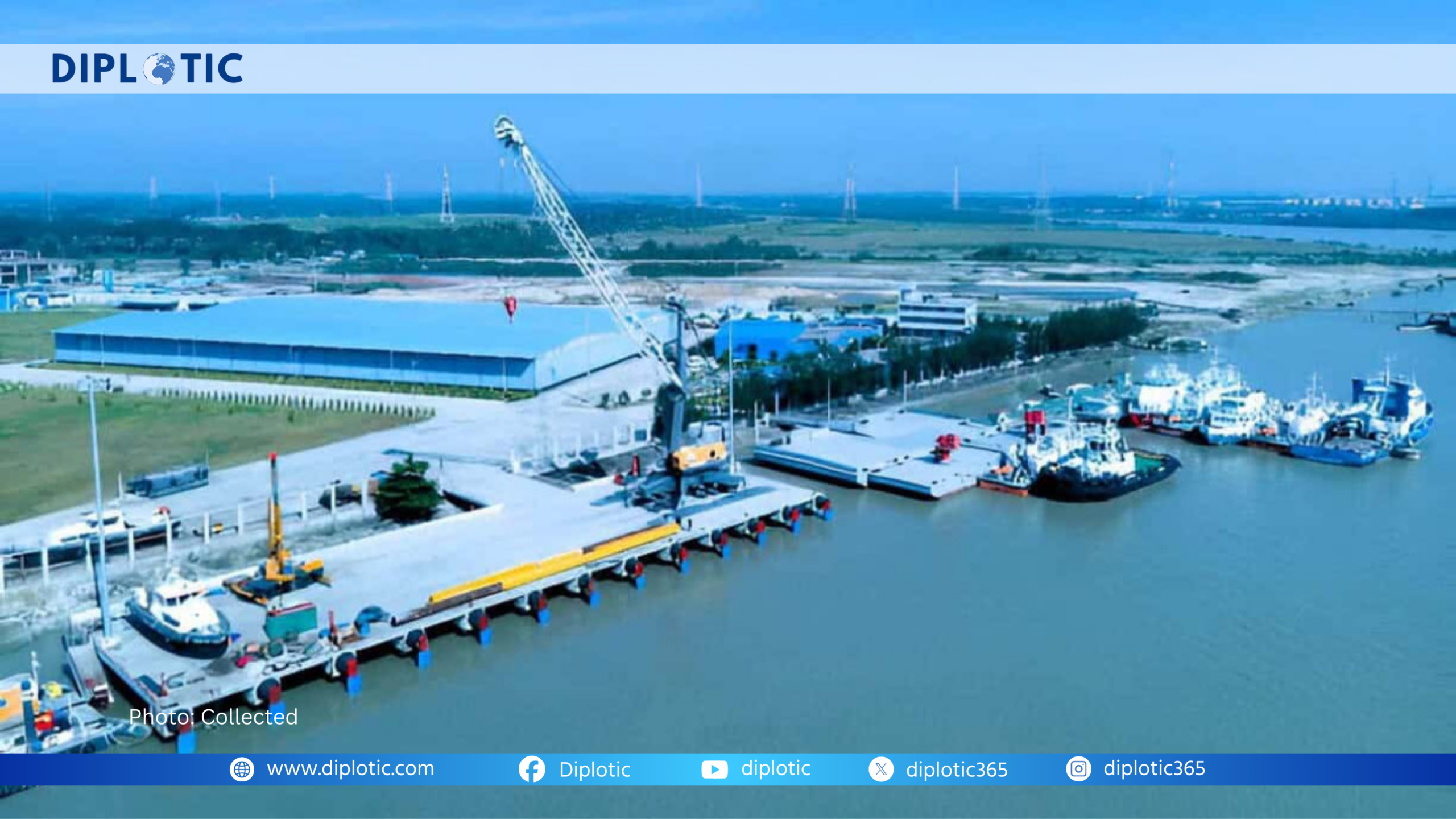
Bangladesh invested heavily in Payra Port as a major step toward better trade and economic growth. Located in the south, it was meant to ease pressure on Chattogram, open up the Barishal-Khulna region, and show the country’s commitment to development. Officials called it a gateway to the future and a climate-resilient asset. Yet years after major work began, the port struggles with constant sedimentation that fills its channels. Maintenance dredging has turned into a large, ongoing expense, with costs running into hundreds of millions of dollars. Critics describe it as a treadmill: no matter how much is spent, the river keeps bringing sediment back. This raises questions about whether the project delivers the benefits promised or if it drains public funds without clear returns. As of early 2026, debates continue over financing, contracts, and long-term viability. The port’s story connects ambitious plans to harsh natural realities in a delta country, where geography often decides outcomes more than politics.
What Made Payra Port Seem Like a Necessary Megaproject?
Payra Port gained strong support as Bangladesh sought to expand capacity beyond Chattogram, the main port that often faces congestion. The idea was to create a third deep-sea facility that could handle larger ships and support industrial growth in the south. Political leaders promoted it as a symbol of progress, with ribbon-cuttings and statements about destiny. It also carried geopolitical weight, signaling independence in infrastructure choices. The project appealed because opposing it risked looking against development.
Experts warned early about the site’s challenges. Bangladesh sits on a dynamic delta where rivers carry massive sediment from the Himalayas. Tides and monsoons reshape channels constantly. Scientists pointed out that Payra’s location in a highly silty area would demand regular dredging just to keep it usable. Despite these concerns, the port moved forward with capital dredging financed through various means, including instruments tied to foreign reserves. Some funds came from selling dollars to raise budget money, a method used in other projects during past administrations. This approach made spending easier politically but hid true costs. The promise of future value—jobs, trade, resilience—outweighed immediate warnings. Yet the physical reality proved stronger than the narrative.
How Has Continuous Dredging Turned into a Major Financial Burden?
Dredging at Payra is not occasional maintenance; it is essential for the port to function. Sediment fills access channels quickly, sometimes meters in a year. Monsoons worsen the problem, but accumulation happens even in calmer seasons. Officials have acknowledged that continuous dredging is needed for survival, not just upkeep. Costs have escalated, with estimates reaching hundreds of millions of dollars over time. In one period, annual spending focused solely on keeping channels open.
Financing adds complexity. Early capital work drew from reserve-linked loans classified as industrial development. This method kept official reserve figures higher than international standards recognized, but it committed public funds long-term. Repayments and escalations compound the burden. Critics note that contractors sometimes secure renewals despite issues, and contracts create ongoing obligations. The port has not generated the expected revenue to offset expenses. Instead, it requires fresh budget allocations regularly. Opportunity costs are high: money spent here cannot go to improving Chattogram’s efficiency or inland waterways. The treadmill effect means spending never ends, as geography keeps winning over engineering.
What Role Have Experts and Officials Played in the Project’s Path?
Technical advice varied. The navy provided early support, lending credibility to feasibility studies. Yet some senior naval figures later expressed frustration that their input was ignored or overridden by political priorities. Environmental consultants like HR Wallingford from the UK offered assessments, but other experts, including German geomorphologist Hermann Kudrass, warned strongly about sedimentation rates. Kudrass called the channels among the siltiest in the world and questioned the site choice.
Officials have admitted privately that the port faces chronic issues. In late 2023, a planning adviser described it as a painful abscess on the balance of payments. Requests for more funds to cover dredging followed. Public statements often frame the spending as necessary, with little discussion of alternatives. This has led to accusations of opacity in contracting and certification. Small bidder pools and repeated awards to certain firms raise further questions. The pattern suggests that political momentum overrode caution, turning a project into one sustained by necessity rather than success.
What Broader Implications Does Payra Hold for Bangladesh’s Development?
Payra Port reflects wider challenges in megaprojects in delta environments. It was pitched as climate-resilient, yet it demands constant intervention to stay operational. This contradicts the idea of sustainable infrastructure in a sediment-heavy region. The financial strain affects reserves and budgets, limiting resources for other priorities. Public trust suffers when large spending yields limited visible returns.
The case also shows how narrative can outpace reality. Political appeal and geopolitical signaling drove the project, while natural constraints were downplayed. Moving forward requires honest accounting of costs and benefits. Alternatives like optimizing existing ports or investing in proven areas might offer better value. Payra will likely continue, but its lessons could guide future choices: match ambition to geography, prioritize transparency, and weigh long-term burdens against short-term gains.
Payra Port connects bold vision to stubborn delta physics. What began as a promise of progress has become a cycle of dredging and expense. As Bangladesh navigates economic pressures and climate realities, the port’s story urges careful planning over spectacle. Effective management could turn it into a useful asset; unchecked, it risks remaining a costly reminder that nature sets limits even on the largest plans. The coming years will show whether adjustments can bring balance or if the treadmill keeps turning.




