

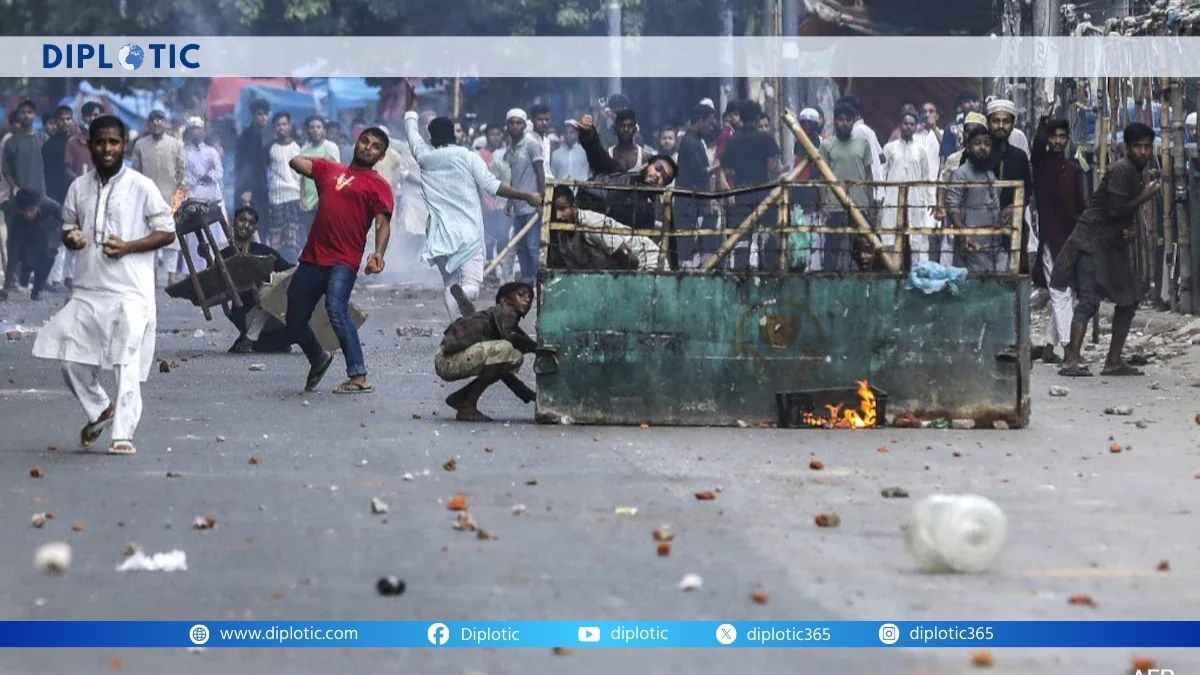
Since Muhammad Yunus took charge as Chief Adviser of Bangladesh’s interim government in August 2024, the country has faced ongoing challenges in maintaining security and public order. The administration came to power after massive student-led protests forced Sheikh Hasina to step down and take shelter in India. Yunus promised reforms, accountability for past abuses, and fair elections set for February 12, 2026. Yet reports from late 2025 into early January 2026 highlight rising violence, including communal attacks, political killings, and mob actions. Critics argue that the state has struggled to enforce laws effectively, leading to a situation some describe as moving from autocracy to anarchy. Supporters point to the difficult transition after years of centralized control and efforts to rebuild institutions. With elections approaching, questions grow about whether the government can restore stability and ensure a peaceful vote. This period tests the interim setup’s ability to balance reform with basic security for all citizens.
What Evidence Points to Deteriorating Security Since August 2024?
The interim government inherited a system weakened by long-term issues, including politicized police and security forces tied to the previous administration. Early months saw some improvements as police returned to duties and the government released many detainees from Hasina’s era. However, challenges mounted. Reports document a surge in communal violence, particularly against minorities like Hindus. In December 2025 alone, at least 51 incidents of attacks on minorities were recorded, including burnings, lynchings, and threats. Over a 35-day period ending in early January 2026, 11 Hindus were killed in separate events, raising fears of targeted harm. Many cases involved perceived links to the former government, but the pattern suggests broader communal tensions.
Political violence has also increased. High-profile killings, such as that of youth leader Sharif Osman Hadi in December 2025, sparked protests and further unrest. Other incidents include assassinations of political figures and attacks on media offices. The BNP has raised concerns about escalating threats to leaders ahead of elections. In regions like the Chittagong Hill Tracts, violence against indigenous groups has worsened, with reports of human rights abuses and weak state response. Extrajudicial deaths and custody issues continue, with at least 40 cases reported from August 2024 to September 2025 according to rights groups. These trends show a broader breakdown where mobs sometimes act without strong deterrence, and police response is often delayed or insufficient. The government has launched operations like “Devil Hunt” to curb violence, but critics say results remain limited.
Why Has the Interim Government Struggled to Restore Control?
The transition from Hasina’s long rule left deep scars. Security forces were discredited by their role in suppressing protests, which killed around 1,400 people in July-August 2024. Rebuilding trust and capacity takes time. The interim setup lacks full elected authority, making it harder to command unified action. Political divisions persist, with groups like the banned Awami League facing restrictions, while others gain space. Some accuse the government of leniency toward certain forces, including Islamists, leading to empowered extremists.
Minority protection has drawn particular criticism. Yunus has called some reports of violence “fake news” or exaggerated, which has fueled debates about denial. Police often arrive late or fail to act decisively in communal cases, raising doubts about neutrality. Broader issues include norm erosion, where laws exist but do not deter behavior. Rights groups note ongoing impunity for abuses, including reprisals against former officials. The government faces pressure from mobilized youth who demand quick reforms, while managing army relations and preparing elections. These factors create a complex environment where maintaining order competes with institutional change. External observers, including UN reports, highlight the need for security sector reform to address root causes.
What Are the Implications for Elections and National Stability?
The February 12, 2026, elections represent a critical test. Credible polls could restore confidence, but violence threatens turnout and fairness. Parties like the BNP have flagged rising attacks on leaders, and some groups have cited insecurities. Youth who drove the 2024 uprising remain active, ready to protest if expectations go unmet. Communal tensions risk further division, while political killings deepen polarization.
Broader stability is at stake. Continued breakdown could undermine reforms and investor confidence. Regional neighbors watch closely, with strained ties to India over minority issues and Hasina’s exile. The government’s response—stronger policing, accountability for perpetrators, and inclusive dialogue—will shape outcomes. Success requires balancing reform pace with immediate security needs.
The shift from Hasina’s centralized rule to the Yunus interim period connects a history of autocracy to current challenges of transition. While the government pursues changes to build a fairer system, persistent violence shows the difficulty of restoring order quickly. As elections near, effective action on law enforcement and protection for all groups will determine if Bangladesh moves toward stable democracy or faces deeper uncertainty. The coming weeks will reveal whether the interim phase can deliver the security and trust needed for a peaceful future.




