

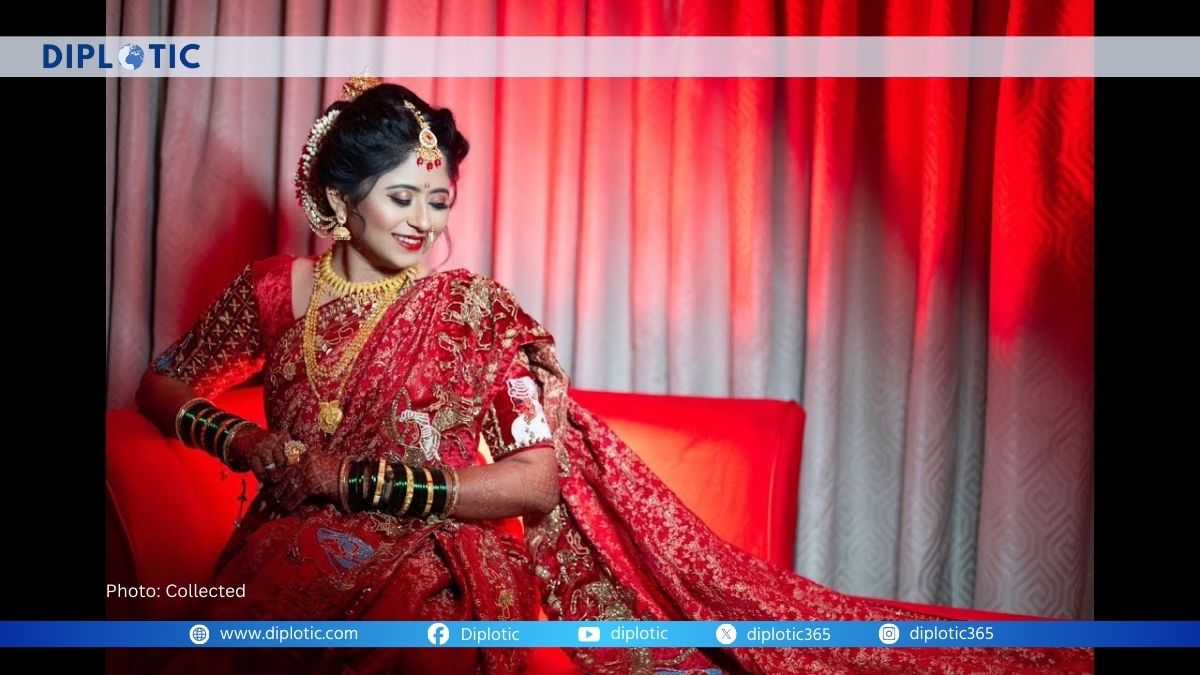
In the imagination of a wedding, one image is almost universal in Bangladesh: a bride, radiant and central, adorned not in white but in a profound, vibrant red. This is no mere fashion choice. The color that defines the South Asian bride is a deep cultural script, woven from ancient beliefs, spiritual symbolism, and social hopes. It is a visual promise and a protective charm. To understand the unwavering preference for red is to look beyond fabric and into the heart of a tradition where color is not just seen but felt—a carrier of blessings, a shield against misfortune, and a bold declaration of a new beginning. This enduring choice connects every modern bride to a timeless lineage where hue holds power.
What Ancient Beliefs Are Woven into the Red Fabric?
The dominance of red in bridal wear is anchored in a cosmology where colors are alive with meaning. In Hindu mythology, red is intrinsically linked to the divine feminine and to power. Goddesses like Durga and Lakshmi are traditionally depicted in red sarees, symbolizing both protective strength and benevolent prosperity. To wear red is to invoke this divine armor, seeking the goddess’s blessings for a life of security and abundance. The color is also a direct symbol of Shakti—the primordial cosmic energy—representing the life force, passion, and creative power that a bride brings into her new household.
This symbolism extends into ritualistic practice. The application of sindoor, the vermillion red powder, along the hair parting of a married woman is perhaps the most potent daily reinforcement of red’s meaning. It is a mark of her marital status, a blessing for her husband’s longevity, and a public symbol of her commitment. The bridal red saree or lehenga is the grand, full-scale embodiment of this same sindoor principle. It transforms the bride into a living vessel of auspiciousness, fertility, and good fortune (shubho and mongol). In a culture where rituals are designed to ward off the evil eye and attract positive energies, the bride’s red attire acts as a powerful talisman for her new journey.
How Does Red Serve as a Cultural Counterpoint and Social Beacon?
The choice of red also gains strength through contrast. In many Western traditions, white symbolizes bridal purity, but in South Asian cultures, white is historically associated with widowhood and mourning. Red, therefore, stands at the opposite pole—it is the unambiguous color of life, joy, and celebration. It rejects austerity and embraces vibrancy. This makes the bride visually central; in a crowded, colorful wedding, the specific, sanctioned shade of red ensures she is the undeniable focal point, her status elevated as she transitions into her new role as a wife and daughter-in-law.
Furthermore, red reflects the core emotional aspirations of marriage. It is the color of the heart—of love, passion, and an undying flame. The attire is a hope made visible, representing the enduring passion and vitality intended for the couple’s union. On a social level, the red ensemble is a signal of prosperity. Historically, rich, durable red dyes were expensive, making a red bridal outfit a display of the family’s well-being and their investment in the couple’s prosperous future. Thus, the color communicates on multiple levels: it is a protective ritual object, an emotional ideal, and a social statement, all fused into one.
How Do Modern Brides Navigate the Shades of Tradition?
While the commitment to red is steadfast, its expression is wonderfully adaptive. Contemporary brides engage in a nuanced search for “their” red, a process that personalizes the tradition. The understanding that different shades complement different complexions has turned the selection into an art. Those with warm, wheatish skin tones often gravitate toward orange-infused reds like vermillion or coral. Brides with cooler undertones may choose blue-based reds like cherry or raspberry. Deep, dusky complexions find resonance in rich, wine-inspired shades such as oxblood, burgundy, or merlot.
This careful matching is more than vanity; it is about the bride feeling authentically and powerfully herself within the traditional framework. The quest for the perfect shade ensures the color works for her, enhancing her natural radiance on a day when all eyes are upon her. This personalized approach allows the tradition to breathe and remain relevant, proving that a single symbolic color can hold a spectrum of personal meanings.
What Forms Does the Red Tradition Take Today?
The iconic fabric for the Bangladeshi bride remains the Benarasi katan saree, particularly one passed down through generations. A bride wearing her mother’s or grandmother’s red Benarasi is a powerful image of continuity, wrapping herself in a garment heavy with family history and blessings. The rich silk, woven with gold and silver zari threads, creates a texture of luxury that is both timeless and deeply sentimental.
Yet, the modern wardrobe offers expansive choices. The regal red lehenga, with its voluminous skirt and intricate blouse, allows for dramatic elegance and ease of movement. Many brides opt for a grand red lehenga for the main ceremony and a more contemporary interpretation—like a red saree gown or a heavily embroidered red Anarkali—for the reception. The accessories have evolved too; alongside traditional gold, brides now pair red outfits with statement diamonds, emeralds, or rubies, creating looks that range from the classically opulent to the sleekly modern. This diversity in form affirms that the tradition is not rigid; it is the vibrant red thread itself that is constant, while the weave around it adapts to the times.
What Does the Enduring Red Really Signify?
Ultimately, the red worn by a Bangladeshi bride is a language without words. It speaks of ancient divine blessings and very human hopes for protection, passion, and prosperity. It connects her to generations of women who stood at the same threshold, similarly cloaked in the color of life. In today’s world, where brides may experiment with cut, design, and accessory, the enduring choice of red reveals what is truly non-negotiable: a deep-seated cultural belief in the color’s power to bless.
It proves that some traditions endure not out of obligation, but because they continue to carry profound meaning. The red is more than a color; it is a wish woven into cloth, a first gift of auspiciousness from the family to the bride, and from the bride to her new life. As long as these hopes for joy, fertility, and good fortune remain at the heart of marriage, the Bangladeshi bride will likely continue to step into her future, radiant and resolute, in shades of red.




