

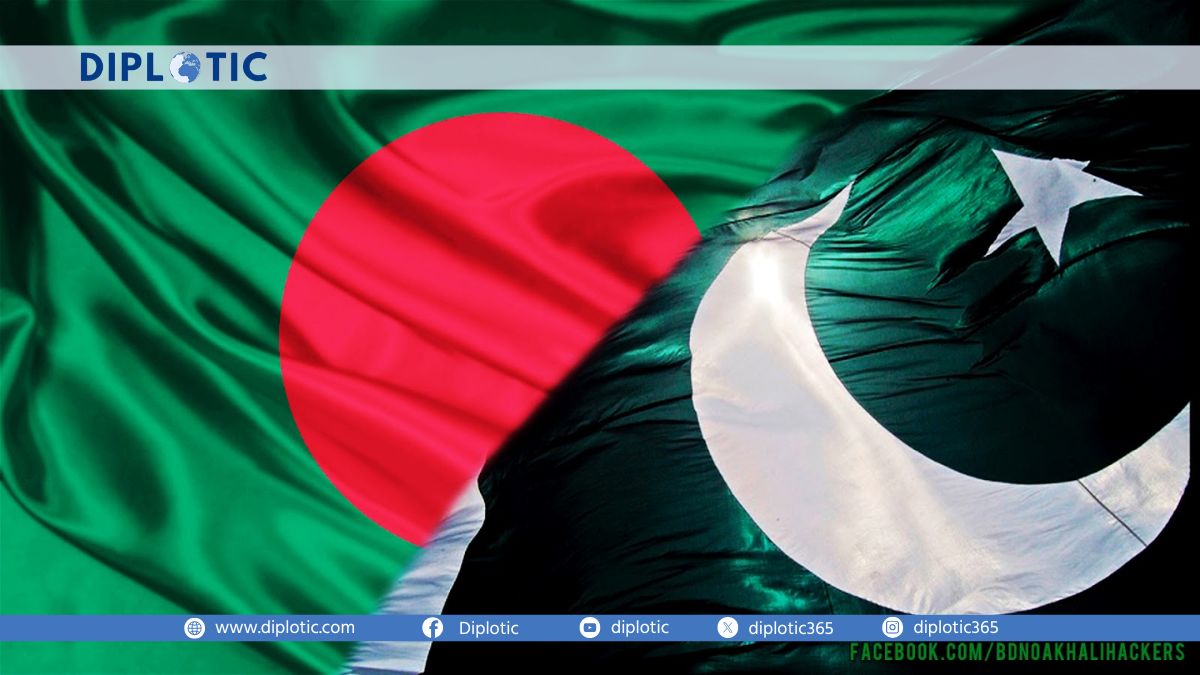
After 14 years of silence in the skies between Dhaka and Karachi, a single aircraft landing late on a January night has reopened an old route and many unresolved questions. On January 30, 2026, a Biman Bangladesh Airlines flight touched down at Jinnah International Airport, marking the first direct air link between Bangladesh and Pakistan since 2012. The landing was ceremonial, complete with a water cannon salute, official speeches, and diplomatic symbolism. Yet beyond the celebration lies a more complex story. This flight is not just about travel convenience. It reflects shifting regional politics, changing diplomatic priorities, and a careful attempt by both countries to redefine a relationship shaped by history, distance, and long-standing mistrust.
For years, the absence of direct flights stood as a quiet reminder of frozen ties. Passengers had to rely on indirect routes through the Middle East or Southeast Asia, turning a short regional journey into a long and costly one. The resumption of flights now raises an important question: is this move simply about connectivity and commerce, or does it point to a broader political realignment in South Asia at a time of growing regional tension?
Why the Dhaka–Karachi Route Matters Beyond Aviation
Direct flights are often described in technical terms, measured by schedules, fares, and passenger numbers. But in South Asia, aviation routes have always carried political meaning. The Dhaka–Karachi connection was suspended in 2012 amid strained diplomatic relations and low people-to-people contact. Its absence reflected a wider pause in engagement between Bangladesh and Pakistan, two countries bound by a shared past but divided by the events of 1971 and the decades that followed.
The return of this route signals a willingness to reopen channels that were long considered sensitive. For Bangladesh, approving the resumption of flights required political calculation. Aviation policy does not operate in isolation. It intersects with foreign relations, security assessments, and public sentiment. The presence of Bangladesh’s adviser for civil aviation and tourism at the inaugural ceremony underlined that this decision was endorsed at the highest policy level, not treated as a routine commercial step.
Officials framed the move in practical language, highlighting connectivity, tourism, and people-to-people links. These are safe and familiar terms in diplomacy. Yet the importance of this route lies in its potential to reduce psychological distance as much as physical distance. Direct flights allow families to reconnect, businesses to explore new markets, and students and professionals to travel without unnecessary barriers. Over time, such interactions can soften rigid political narratives.
However, this is not a neutral process. In Pakistan, senior figures quickly linked the flight to broader political themes. Sindh Governor Kamran Tessori described the moment as the end of “conspiracies” that had separated the two peoples, openly blaming India for past divisions. Such statements reveal how the flight is being used domestically to signal alignment and shared grievance. This political framing risks turning a confidence-building step into a tool of regional rivalry.
From Bangladesh’s side, official messaging remained more restrained, focusing on affordability, gradual increase in frequency, and tourism potential. This difference in tone matters. It suggests that while both sides welcome renewed contact, they may not share the same political expectations from this development. The route’s success will depend on whether it remains a civilian and commercial bridge rather than becoming a symbol loaded with strategic messaging.
The Long Freeze and What Changed After 14 Years
To understand why this flight matters now, it is necessary to look back at why it disappeared in the first place. Bangladesh–Pakistan relations have been uneven since Bangladesh’s independence. While diplomatic ties exist, they have often been limited, shaped by unresolved historical issues, including accountability for 1971 and differing regional alignments. The suspension of direct flights in 2012 came during a period when relations showed little momentum and public engagement remained minimal.
What has changed since then is not a sudden resolution of historical disputes, but the regional context. South Asia today is more fragmented, with growing distrust among major players. Bangladesh’s foreign policy has also entered a new phase following political changes in Dhaka after 2024. The interim leadership has shown interest in diversifying diplomatic and economic partnerships, reducing overdependence on any single regional power.
Pakistan, for its part, has actively sought to expand ties beyond its traditional partners. Re-engaging with Bangladesh offers Islamabad a chance to project regional relevance and counter isolation. The visit of Pakistan’s Deputy Prime Minister Ishaq Dar to Dhaka in August 2025, where both sides agreed to take immediate steps to restore flights, was a key turning point. That agreement reflected political intent rather than commercial urgency.
The fact that the inaugural flight was fully packed also tells a story. Demand did not need to be created from scratch. It already existed but was suppressed by the lack of direct access. This suggests that the freeze did not erase human connections; it only made them harder to maintain. Restoring flights removes a visible barrier, but it does not automatically resolve deeper issues.
There is also a timing factor. The resumption comes at a moment when Bangladesh is recalibrating its regional stance, including its relationships in sports, trade, and diplomacy. Aviation becomes one piece of a larger puzzle. It allows Dhaka to signal openness without making binding political commitments. Pakistan, meanwhile, gains an opportunity to show progress in regional engagement, even as other fronts remain tense.
Politics in the Background, Connectivity in the Foreground
While officials spoke of tourism and trade, politics hovered close to the runway. Statements made at Karachi airport went far beyond aviation. Accusations against India, references to cricket disputes, and calls for joint resistance against “extremists” turned the event into a political stage. Such remarks may resonate with domestic audiences in Pakistan, but they complicate the narrative of simple connectivity.
For Bangladesh, maintaining balance is crucial. The country has consistently emphasized pragmatic diplomacy, avoiding overt alignment in regional rivalries. If the Dhaka–Karachi route becomes framed primarily as a counterweight to India, it could create diplomatic pressure that Bangladesh has historically tried to avoid. Aviation cooperation works best when it remains insulated from geopolitical contest.
At the same time, ignoring the political dimension would be unrealistic. Direct flights are often among the first steps taken when governments want to test improved relations without signing major agreements. They are reversible, adjustable, and visible. Increasing or reducing frequency sends signals. Fare policies influence accessibility. Over time, these decisions reflect the health of bilateral ties.
Economic logic also plays a role. Trade between Bangladesh and Pakistan remains modest compared to potential. Direct flights can support business travel, reduce costs, and encourage limited trade expansion, especially in textiles, pharmaceuticals, and services. Tourism, while often mentioned, may grow slowly, given visa policies and limited awareness. Still, even modest increases can help normalize contact.
The challenge will be sustainability. One flight does not undo 14 years of distance. Maintaining regular operations requires consistent passenger demand, competitive pricing, and political stability. Any sudden diplomatic strain could again ground the route. Both governments will need to decide whether they view this connection as a long-term investment or a symbolic gesture.
What This Flight Says About South Asia’s Shifting Landscape
The return of Bangladesh–Pakistan flights is best understood as a signal rather than a solution. It signals a willingness to reopen doors that were long closed, but it does not guarantee where those doors will lead. In a region where borders are sensitive and history weighs heavily, even small steps attract scrutiny.
For Bangladesh, the flight fits into a broader effort to assert diplomatic flexibility. By engaging with Pakistan through civilian channels like aviation, Dhaka keeps its options open while avoiding dramatic shifts. For Pakistan, the route offers a chance to rebuild a relationship that has remained largely static, using connectivity as a foundation.
The broader implication is that South Asia is entering a phase where traditional alignments are being quietly tested. Connectivity projects, whether in aviation, energy, or trade, are becoming tools of cautious diplomacy. They allow states to explore cooperation without resolving every political disagreement first.
Whether the Dhaka–Karachi route becomes a stable bridge or a short-lived experiment will depend on restraint as much as enthusiasm. If both sides keep the focus on people, travel, and economic exchange, the flight could slowly rebuild trust. If it becomes heavily politicized, it risks repeating the pattern that led to suspension in the first place.
Fourteen years ago, the skies closed with little notice. Their reopening now invites optimism, but also caution. In South Asia, progress often moves in small, uncertain steps. This flight is one such step, carrying not just passengers, but the weight of expectations about where regional relations might go next.




