

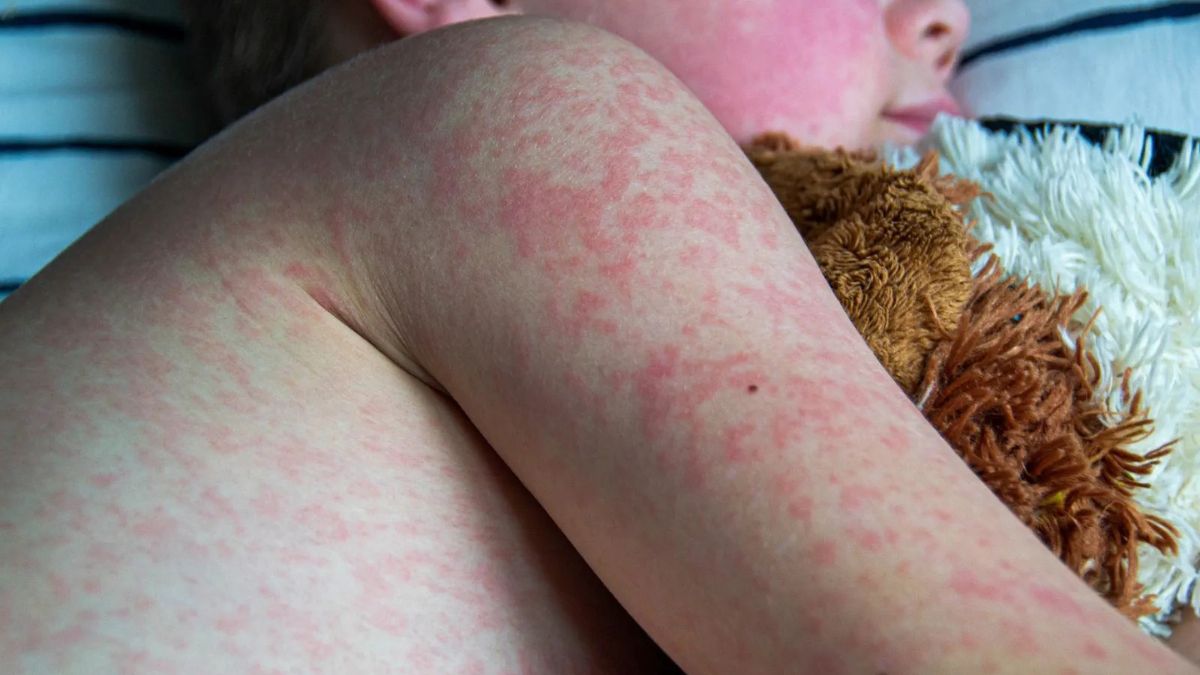
Measles is a highly contagious disease that can be prevented with a safe and low-cost vaccine. Yet in 2024, an estimated 95,000 children worldwide died from measles, mostly those under five who were not fully vaccinated. Large outbreaks occurred in 59 countries that year, three times more than in 2021. Even some nations that had previously eliminated the disease saw it return. Bangladesh is now facing its own outbreak, raising serious questions about public health planning. Several problems contributed to the current situation: vaccine shortages, not enough trained staff, invalid doses, children dropping out of the vaccination schedule, and weak monitoring systems. Vaccination coverage for young children fell between 2019 and 2023, moving further away from the national target of over 95 percent. This drop happened despite clear global and local warnings. The question is whether Bangladesh could have acted earlier to prevent or limit the outbreak by addressing known weaknesses in its childhood immunization program.
How did childhood vaccination coverage decline in Bangladesh?
According to the latest national Coverage Evaluation Survey from 2023, full valid vaccination coverage by 12 months of age dropped from 83.9 percent in 2019 to 81.6 percent in 2023. This is well below the goal of more than 95 percent needed to stop outbreaks. The decline was not uniform across the country. Coverage was highest in Barishal division at 89 percent and lowest in Dhaka division at 76.5 percent. Urban areas showed lower rates than rural areas, with 79 percent coverage in cities compared to 84.6 percent in villages. Migration plays a big role in urban dropouts, especially in slum areas where families move often and miss scheduled doses.
The second dose of the measles-rubella vaccine reached only 76.8 percent coverage in 2023, with even lower rates in urban settings. Invalid doses also increased in some cases. For the first dose of the pentavalent vaccine, 3.6 percent were invalid, while the measles-rubella first dose had the highest invalid rate at 9.8 percent, rising to 12.9 percent in urban areas. These gaps mean many children remain unprotected even after visiting vaccination centers. Globally, the share of children receiving the first measles dose fell slightly from 86 percent in 2019 to 84 percent in 2024, showing that the problem is not limited to Bangladesh. The World Health Organization notes that at least 12.4 million children in low- and middle-income countries miss basic routine vaccines each year, with nearly half living in cities, remote areas, or conflict zones.
The National Equity Strategy for the Expanded Programme on Immunization in 2023 had already pointed out these inequities. It called for better and timely supply of vaccines, stronger logistics systems, and special attention to hard-to-reach places. Despite these clear recommendations and the lessons from measles outbreaks in other countries, Bangladesh experienced shortages of vaccines and syringes. Without a real-time tracking system at district and sub-district levels, some areas had too many vaccines while others faced stockouts. This uneven distribution made it harder to maintain steady coverage and respond quickly when cases began to rise.
What weaknesses in the vaccination system allowed the outbreak to grow?
Several practical problems weakened the immunization program. Human resources remain insufficient, especially in low-performing areas. Staff often lack motivation and budget for travel to outreach centers, leading to weak supervision and monitoring. Without enough trained workers, sessions are missed or poorly organized. Interpersonal communication with parents before vaccination days could reduce dropouts and invalid doses, but this step is not done consistently. Cold chain maintenance, proper administration techniques, and efforts to reduce wastage also need regular training.
Urban challenges add another layer. Rapid urbanization and growing slum populations make it harder to reach every child. Families move frequently, breaking the vaccination schedule. The program has struggled to adapt to these changes. The Expanded Programme on Immunization aims to protect all children, but gaps in supply, staffing, and follow-up have left too many unprotected. When measles cases started increasing, the system was already running below target coverage. This created the conditions for the virus to spread more easily among under-vaccinated groups.
The situation fits a wider global pattern. The WHO’s Immunization Agenda 2030 calls for stronger surveillance, faster responses, and renewed political commitment. Countries must reduce the number of zero-dose children through better planning and cooperation with many partners. Bangladesh has taken steps to buy more measles vaccines to catch up on missed doses, but experts say longer-term planning is needed to prevent shortages of all vaccines, not just measles.
What steps could have prevented or reduced the current outbreak?
Clear warning signs existed well before the outbreak became serious. Coverage was already declining, invalid doses were rising, and urban-rural gaps were widening. The 2023 equity strategy provided specific recommendations, including electronic logistics systems for real-time tracking and better supply management. Other countries that faced measles outbreaks had shown the dangers of letting coverage fall below 95 percent. Bangladesh could have used those experiences to strengthen its own system earlier.
Practical improvements were possible. Ensuring vaccines and syringes arrive together at every session would have reduced missed opportunities. Regular training on cold chain handling, correct vaccination methods, and communication with parents could have lowered dropouts and invalid doses. A long-term human resources plan is needed to address staffing shortages and improve motivation, especially for outreach in difficult areas. Digital tools for disease tracking and targeted campaigns in slums, hard-to-reach villages, and Rohingya refugee camps would help close coverage gaps.
Creating community awareness and expanding nationwide vaccination drives could rebuild trust and participation. Collaboration with many partners, including local governments and community groups, would make the program more effective amid growing urbanization. These measures do not require new inventions, only consistent attention to known problems.
What must Bangladesh do now to reverse the decline and prevent future outbreaks?
The immediate task is to bring vaccination coverage back above 95 percent and stop the current outbreak. This requires urgent action on vaccine supply, better distribution systems, and stronger monitoring at every level. At the same time, longer-term changes are essential. A national human resources plan for the immunization program should be prepared to ensure enough trained staff with proper support and motivation.
Training programs must be regular and practical, covering cold chain management, reducing wastage, correct dosing, and effective communication with families. Digital systems for real-time vaccine tracking and disease surveillance would help prevent future stockouts and allow faster responses. Special focus on urban slums, remote areas, and refugee camps is necessary to reach every child.
The measles outbreak serves as a reminder that vaccines only work when they reach the people who need them. Bangladesh has a strong foundation in its Expanded Programme on Immunization, but recent declines show that constant effort is required. By addressing the warning signs that were visible in falling coverage rates, uneven distribution, and staffing gaps, the country can protect its children more effectively. Strong political commitment, better planning, and community involvement will be key to rebuilding high coverage and preventing similar crises in the future. The health of the next generation depends on learning from this outbreak and acting decisively to strengthen the system before the next threat appears.




