

Introduction
In December 2025, Australia became the first country in the world to roll out a sweeping legal framework aimed at limiting social media use by children under the age of 16. This policy has ignited global debate about digital safety, child development, online harm, and individual freedoms. Some see it as a protective step toward safeguarding young minds; others warn it’s an impractical overreach with unintended social costs. This article breaks down how the ban works, why it matters, its potential effects, and how similar issues are emerging in places like Bangladesh.
What Australia’s Social Media Ban Actually Is
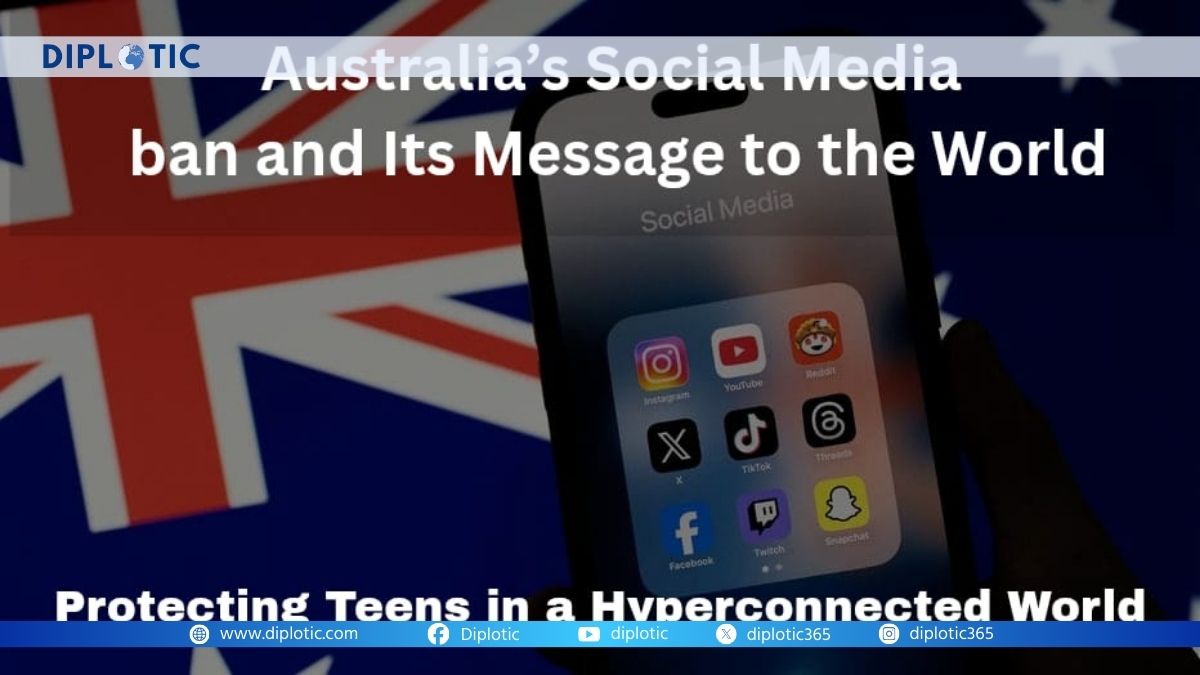
Australia’s policy, formally enacted in late 2025, requires major social media platforms to prevent children under 16 from holding accounts on age-restricted services such as Facebook, Instagram, TikTok, YouTube, Snapchat, X, and Reddit. Platforms must take reasonable steps to ensure that under-16s cannot create or maintain accounts after December 10. The law does not criminalize children or parents who access these platforms. Instead, tech companies are held responsible. If they fail to enforce age limits, they could face fines as high as A$49.5 million per breach.
Under the legislation, children may still view public content without an account if the platform allows it, but they cannot post, comment, message, or interact in logged-in ways. This approach reflects a shift in regulatory strategy: governments are aiming to hold platforms accountable for child safety instead of relying solely on parents to police their children’s usage.
How the Ban Is Supposed to Work in Practice
To identify underage users, platforms are deploying a mix of age-verification tools. These can include:
- AI-driven facial analysis or behavioral signals
- Optional ID checks such as driver’s licenses or government identifiers
- Automated detection of false birthdates during signup
It’s important to note that platforms are not required to guarantee perfect age detection. Instead, they must show they’ve taken reasonable steps to comply.
So far, rollout has had mixed technical results. Early reports show that some under-16s have circumvented the system by inputting deceptive birthdates or fooling facial age estimates. This highlights the challenge of enforcing age restrictions in a digital space where identity verification is inherently imperfect.
Why Australia Took This Step
The reasoning behind Australia’s social media law comes from growing concerns about online harm to children. Policymakers and many parents believe that social platforms contribute to negative outcomes such as:
- Cyberbullying
- Exposure to harmful or inappropriate content
- Mental health challenges
- Disrupted sleep or classroom focus
- Excessive screen time
Australian officials argue that by delaying social media account access until at least age 16, they are reducing exposure to potential harms during a crucial period of emotional and cognitive development.
Is the Ban a Solution or a Band-Aid?
Experts and commentators are divided on the effectiveness of the ban. Some argue that the science linking social media to mental health problems is not definitive. Researchers point out that it’s difficult to isolate social media as a single cause of anxiety, depression, or other well-being issues, given the many environmental, social, and economic factors that influence youth mental health.
Others welcome the policy as a bold experiment that could generate high-quality data on how social media affects young people’s lives when access is removed. Critics also worry that the restriction may drive underage use underground, pushing teens to find private or unmonitored ways to connect online, or to use VPNs and other tools to bypass blocks.
Additionally, some teens themselves argue that limiting access to social platforms may suppress their voices, hinder community building, and reduce digital literacy opportunities at a time when online competence is increasingly necessary.
Early Results and Challenges With Implementation
In the first weeks of enforcement, platforms have begun removing under-16 accounts. For example, more than 200,000 TikTok accounts tied to alleged underage users were flagged and deactivated during early compliance checks. Still, enforcement is uneven. Some children report still having active accounts due to inaccurate age reporting or flawed verification features. This shows that in real-world settings, rolling out an age-based ban at scale is not a simple technical task.
There are also questions about how this approach will adapt over time, especially if children use proxy accounts or share devices with older users. Technical issues like false positives or negatives may also affect legitimate users, further complicating compliance.
Social Media’s Impact on Teens Worldwide
Australia’s policy is part of a wider global concern about how social media affects young people’s mental health and development. Studies from diverse contexts have found that heavy social media use can contribute to:
- Self-esteem issues due to constant social comparison with curated online images
- Body dissatisfaction and anxiety, especially among teens exposed to idealized visuals
- Addictive behaviors linked to algorithmic feeds and short-video formats
- Disruption of real-world social skills and academic focus
Research among Bangladeshi youth shows similar patterns. For example, increased social media use is associated with body image issues, reduced self-esteem, anxiety, and depression among teenagers.
Other studies in Bangladesh reveal that many young people spend 5–8 hours a day on social platforms—a level of engagement that correlates with sleep disturbances, mental health challenges, and reduced academic performance.
In addition to psychological effects, excessive social media use may contribute to a decline in social skills and traditional communication abilities, with informal online language habits migrating into everyday conversations.
What Bangladesh Can Learn From Australia’s Approach
Bangladesh has not implemented a nationwide social media age ban. But the issues highlighted in Australian policy debates are very relevant for Bangladeshi teens. High engagement with social media, without structured guidance or age-appropriate safeguards, has contributed to:
- Anxiety and psychological stress
- Poor academic performance
- Overdependence on digital validation
- Self-comparison and body image concerns
- Social withdrawal and reduced real-life interactions
Rather than an outright ban, Bangladesh might consider incremental approaches that focus on education, awareness, and supportive structures. These could include:
- Digital literacy programs in schools that teach young people how to critically engage with online content
- Parental guidance and co-use strategies, where families engage in social platforms together and discuss online experiences
- Mental health resources tailored to teens dealing with social media-linked stress
- Campaigns on healthy screen habits and balanced digital diets
How Teenagers and Families Can Reduce Negative Effects
Here are practical steps for teenagers and parents in Bangladesh or elsewhere to manage social media use more safely:
a. Set realistic time limits Use app timers or screen-time controls to keep daily usage within healthy bounds.
b. Curate your online environment Follow positive content, unfollow harmful accounts, and mute or block toxic interactions.
c. Develop offline routines Encourage hobbies, face-to-face social activities, and structured study times.
d. Practice critical consumption Ask whether content reflects reality or curated perfection to reduce harmful comparisons.
e. Foster open conversations Teens should feel safe talking about stressful online experiences without judgment.
f. Seek professional help when needed Mental health professionals can support teens struggling with anxiety, depression, or addictive behaviors linked to social media.
A Global Problem With Local Solutions
Australia’s under-16 social media ban represents a bold and controversial experiment into how society might protect young people in a digital age. Its implementation shows both the promise and the complexity of regulating online spaces for children. Meanwhile, countries like Bangladesh are grappling with similar issues through education and community efforts rather than hard bans.
What’s clear is that social media’s impact on teens is a global concern. Whether through law, education, or family engagement, addressing social media’s challenges requires thoughtful, evidence-based strategies that support young people’s mental and social well-being.




