

The Arctic’s Fever: A Climate Crisis in Overdrive
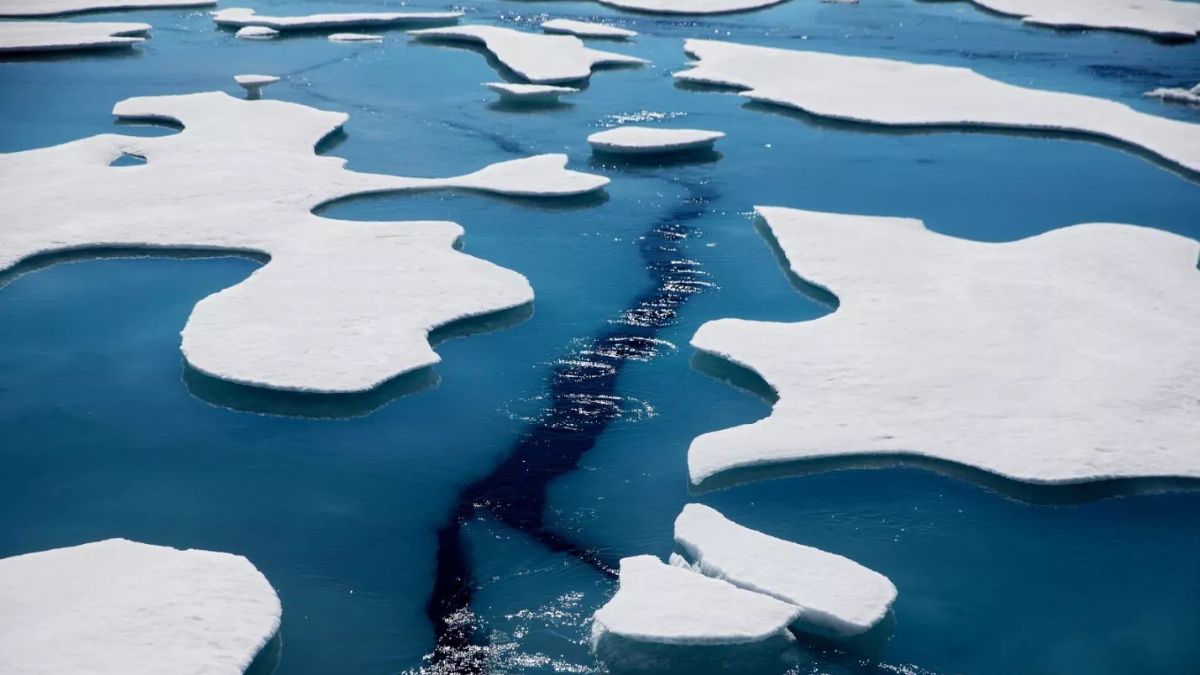
The Arctic isn’t just warming—it’s burning through records faster than a wildfire through dry tundra. A 2024 NOAA report confirms the region is heating up nearly four times faster than the global average, with temperatures climbing about 3°C (5.4°F) since the late 1800s. This isn’t some abstract number crunch; it’s visible in shrinking sea ice, thawing permafrost, and weather patterns going haywire. A 2024 study in Nature sent shockwaves by projecting an ice-free Arctic Ocean in summer as early as 2030 if emissions aren’t slashed Nature, 2024. The culprit? A vicious cycle where melting ice exposes darker ocean water, soaking up more heat and accelerating the thaw. The ripple effects are messing with global weather, from European storms to North American heatwaves. So, why does this icy corner of the world matter so much?
Greenland’s Ice: A Ticking Sea-Level Time Bomb
Greenland’s ice sheets are melting at a pace that makes even the grumpiest climate skeptic raise an eyebrow. Researchers at the University of California, Irvine, peg the island’s ice loss at 280 billion tons annually over the past decade, with 2025 projections hinting at a staggering 500 billion tons UCI, 2024. That’s enough meltwater to drown coastal cities from Miami to Mumbai. In July 2024, satellite data showed 80% of Greenland’s ice sheet surface melting during peak summer, shattering historical norms NSIDC, 2024. This isn’t just ice turning to slush—it’s speeding up glacier flow, uncovering ancient landscapes, and raising sea levels worldwide. “Each summer’s a new record,” one glaciologist told The Guardian, “and it’s starting to feel like the new normal.” If this keeps up, low-lying regions better start investing in some serious stilts.
Siberia’s Heatwave: From Frozen Tundra to Fiery Crisis
Siberia, the poster child for bone-chilling winters, is now sweating through summers that would make a desert blush. In June 2020, Verkhoyansk hit 38°C (100.4°F), a record that left meteorologists gobsmacked BBC, 2020. The Russian meteorological agency reported 2023 temperatures averaging 5°C (9°F) above normal across vast swaths of the region Rosgidromet, 2023. This isn’t just about locals ditching parkas for flip-flops. Thawing permafrost is unleashing methane, a greenhouse gas 25 times more potent than CO2, creating a feedback loop that’s like pouring gasoline on a climate fire. Roads and buildings are cracking as the ground shifts, and wildfires—once a rarity—are now an annual scourge, choking cities with smoke. “Siberia’s not supposed to feel like the Sahara,” quipped one Russian scientist, but the data doesn’t lie.
Permafrost: A Carbon Bomb Waiting to Blow
Permafrost, the frozen soil holding up a quarter of the Northern Hemisphere, is turning into a mushy nightmare. The National Snow and Ice Data Center reports a 1.5°C (2.7°F) temperature rise in permafrost over the past 30 years, releasing billions of tons of trapped carbon dioxide and methane [NSIDC, 2024]. This isn’t just a geology problem—it’s a climate catastrophe. Methane’s heat-trapping power supercharges warming, while thawing ground causes sinkholes and landslides, wrecking infrastructure in Alaska, Canada, and Russia. Indigenous communities are hit hardest, with hunting trails and fishing spots disappearing. “Our land is literally crumbling,” one Alaskan elder told Reuters. Engineers are scrambling for solutions, but stabilizing a melting foundation is like trying to fix a sandcastle at high tide.
Wildlife on the Brink: Polar Bears and Beyond
The Arctic’s animals are fighting a losing battle against a vanishing habitat. Polar bears, once symbols of rugged survival, are now poster children for climate peril. A 2023 Ecology and Evolution study found a 50% drop in Chukchi Sea polar bear populations over two decades, driven by shrinking sea ice Ecology and Evolution, 2023. Walruses are piling onto shrinking coastlines, triggering deadly stampedes. Migratory birds arrive early to find food sources out of sync, and Arctic char are fleeing to new waters, leaving predators and fishers high and dry. “We’re seeing ecosystems unravel in real time,” a conservationist warned National Geographic. Without drastic action, many species face a one-way ticket to extinction.
Ocean Currents: The Planet’s Pulse in Peril
Ocean currents, the planet’s unsung climate regulators, are feeling the heat. The Atlantic Meridional Overturning Circulation (AMOC), which keeps Europe mild and North America stable, is slowing, thanks to freshwater from melting Arctic ice, per a 2024 IPCC report. This dilution messes with the salty balance that drives currents, risking colder European winters and higher U.S. East Coast sea levels. A full AMOC collapse—possible within decades—would be a climate game-changer. “It’s like the planet’s circulatory system having a heart attack,” one oceanographer told Scientific American. Monitoring stations are working overtime, but the stakes couldn’t be higher.
Economic Boom or Environmental Bust?
The warming Arctic is cracking open new economic doors, but at what cost? Melting ice is making the Northern Sea Route navigable, potentially cutting Asia-Europe shipping times by weeks. The Arctic Council predicts a 50% jump in cargo traffic by 2030. Oil, gas, and mineral companies are salivating over untapped reserves, but the risks are massive. A single oil spill in these remote waters could devastate fragile ecosystems. “It’s a gold rush with a ticking bomb,” one analyst told Bloomberg. Balancing profit with preservation is the Arctic’s next big fight, and the planet’s watching.
Indigenous Voices: A Culture Under Siege
For Arctic Indigenous communities, climate change isn’t a future threat—it’s a daily gut punch. A 2023 Inuit Circumpolar Council survey found 80% of Inuit noting shifts in wildlife patterns, threatening food and traditions. Thawing permafrost is toppling homes, forcing some villages to plan relocation. Traditional knowledge, honed over centuries, is losing its edge as weather and animals become unpredictable. “Our way of life is melting away,” one elder told Al Jazeera. Indigenous leaders are demanding a voice in climate talks, blending ancient wisdom with modern science to fight for survival.
Global Policy: Racing Against the Thaw
The Arctic’s fate hinges on global climate action, but the clock’s ticking. The Paris Agreement’s 2°C target looks shaky, with Climate Action Tracker warning that current pledges won’t cut emissions enough by 2030 to save Arctic ice. Arctic nations are crafting region-specific plans, but disputes over shipping lanes and resources muddy the waters. Scientists and Indigenous groups are pushing for tougher protections, but geopolitics and corporate interests keep stalling progress. “We’re playing catch-up with a runaway train,” one policy expert told The New York Times. Time’s running out to keep the Arctic from becoming a warm shadow of itself.
Looking Ahead: Can We Adapt?
If trends hold, Arctic temperatures could spike another 4°C (7.2°F) by 2100, erasing summer sea ice and most permafrost IPCC, 2024. Adaptation is now the name of the game. Engineers are designing buildings and roads to withstand shifting soils, while early-warning systems track permafrost collapse. Conservationists are teaming with Indigenous communities to protect wildlife, blending traditional knowledge with tech. But adaptation can only go so far. “We’re not saving the Arctic—we’re just buying time,” a researcher admitted Science. The real fix lies in slashing emissions, and that’s a global test we’re barely passing.
The Verdict: A Melting Warning We Can’t Ignore
The Arctic’s warming isn’t just a polar problem—it’s a global red flag. From Greenland’s melting ice to Siberia’s heatwaves, the changes are rewriting ecosystems, economies, and cultures. The science is clear: we’re on track for an ice-free Arctic by 2030 unless we act fast. Indigenous voices, wildlife, and even ocean currents are screaming for attention, but the world’s response feels like a half-hearted shrug.




