

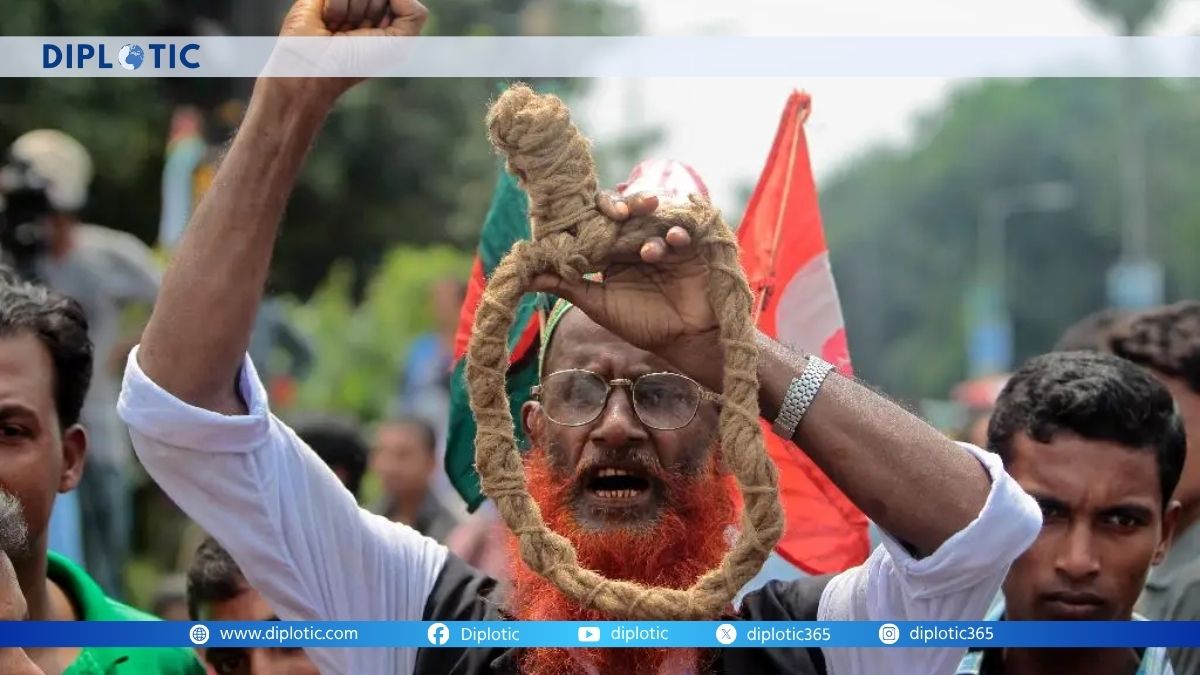
For more than five decades, one accusation has followed Bangladesh Jamaat-e-Islami wherever it goes: the ability to reinvent itself. From its armed auxiliary force Al-Badr in 1971 to its organised student wing in universities, the party has often changed its appearance while keeping the same political goal. In recent years, many of Jamat’s top leaders were tried and executed for war crimes. Its street power has fallen sharply. Yet something unusual is happening: Jamaat’s ideas have not disappeared. They have simply moved to a new battlefield — social media. Instead of leaflets, there are viral posts. Instead of secret meetings, there are Telegram channels, Facebook groups and YouTube preachers with anonymous millions of followers. The message may sound newer, softer or more global, but the structure behind it feels familiar. The real question is: has Jamaat changed, or has its propaganda just become digital?
Propaganda in 1971: When Messaging Was Mixed With Militia
The roots of Jamaat’s communication strategy begin long before smartphones and hashtags. During the 1971 Liberation War, the party operated with full permission of Pakistan’s military. Its armed wings, most famously Al-Badr and Al-Shams, were accused of running death squads, torturing freedom fighters and targeting some of the most brilliant minds of Bangladesh. But along with violence, there was another weapon — propaganda.
In 1971, Jamaat printed newspapers, religious pamphlets and public statements that painted pro-independence activists as atheists, communists, or threats to Islam. Liberation fighters were described as enemies of religion, traitors, and puppets of India. The goal was to turn ordinary believers against the independence movement. This strategy was not unique to Jamaat. Many extremist political organisations use religion to justify political loyalty. But in the context of 1971, the impact was deadly. Propaganda gave moral cover to brutality.
After the war, when Bangladesh became independent, Jamaat was banned for its role in collaboration. But history shows a pattern: bans do not erase movements; they only push them to reorganise. By the late 1970s, Jamaat re-emerged in politics under military rule. This time, the propaganda changed form. Instead of armed talk, there were student organisations, charity fronts, and religious schools that slowly rebuilt influence. Many Bangladeshis grew up seeing Jamaat not as the party of 1971, but as a quiet, disciplined Islamic organisation with access to campuses and mosques. The old propaganda did not disappear. It was just repackaged.
The Internet Era: When Banned Parties Get New Life Online
When war crimes trials began in the 2010s, Jamaat leaders faced their biggest legal defeat since independence. Many top figures were arrested and executed. The party was barred from joining elections. Street protests were broken. In many countries, such a crushing blow would end a political organisation. In Bangladesh, something different happened. While the organisation weakened on the ground, it started expanding online.
Facebook became the main battleground. Thousands of small pages, often unnamed, began pushing messages about “Islam under attack”, “government against religion”, or “martyrs of political Islam”. These pages rarely used the word “Jamaat”. Instead, they used cultural and religious symbols, emotional language and selective information. In some posts, the war crimes trials were described as fake, politically motivated, or part of a global plan against Muslims. Some pages borrowed content from international movements, mixing local politics with global grievances — Palestine, India, Afghanistan and the West. This style made the message harder to trace but easier to spread.
Telegram and YouTube brought something more powerful: anonymity. Many Jamaat-leaning activists who could no longer appear publicly began speaking online through preachers and influencers who rarely mentioned any party name. Their speeches focused on moral decline, corruption, foreign influence, or anti-Islam sentiment. Viewers, especially young ones, could watch a 20-minute lecture and not know that the speaker was connected to a banned political organisation. In modern propaganda, invisibility is a tactic.
This digital strategy has one advantage that Al-Badr newspapers never had: speed. One story can reach millions overnight. One rumour can push thousands onto the street. Posts are shared faster than fact-checking can keep up. And unlike physical gatherings, social media activism is safe for leaders who fear arrest. A phone and an internet connection are enough to stay active.
Psychological Messaging: Softer Words, Same Agenda?
Investigating the content of Jamaat-linked online pages reveals a clear pattern. There is less talk about 1971 and war crimes. There is more talk about religion, identity, and fear. Instead of directly attacking the state, many posts suggest that religion itself is under threat. When a university holds a cultural event, some pages call it “anti-Islamic”. When a TV drama shows female characters working outside home, some channels accuse it of destroying family values. The language is emotional, not political, but the effect is political.
Another strategy is victimhood. Many digital campaigns describe Jamaat members as peaceful victims of state violence. Arrests become “oppression”. Trials become “injustice”. Executed war criminals are painted as heroes targeted only because they were Islamic scholars. When followers believe they are victims, they become highly loyal and easier to mobilise.
A third strategy is internationalisation. Jamaat pages often copy global Islamist propaganda. Anything happening in the Muslim world — Palestine, Kashmir, Rohingya, Syria — is used to build the idea that Muslims everywhere are under attack. Then local politics is mixed into that narrative. When people feel part of a global struggle, they stop seeing national laws or elections as important. For propaganda, this is powerful. For democracy, it is dangerous.
What makes this shift interesting is the tone. In the past, Jamaat promoted ideology openly. Now, much of the propaganda is hidden under layers of motivational quotes, religious talks, charity appeals, or youth-focused Islamic training. Outsiders see positivity. Insiders hear political messaging.
Why Propaganda Still Works: A Gap That Others Failed to Fill
Many ask: if Jamaat is widely criticized, how does its message still travel? The answer lies in the gaps of society. Millions of young people spend hours online with very little guidance about what is true or false. Many trust YouTube preachers more than textbooks or newspapers. When economic pressure grows, religious messaging becomes more convincing. When corruption stories spread, people feel the system is broken. Into that frustration, Jamaat offers a promise of purity, identity and moral certainty. It sells an idea that everything will be fixed if Islam controls the state. The slogan is old. The format is new.
The state fights online propaganda by blocking websites, arresting activists, and monitoring digital platforms. But propaganda is not defeated by silence. It is defeated by stronger ideas. When official voices feel dull or dishonest, people look for alternative storytellers. That is why Jamaat’s social media network grows quietly. It speaks in a language young people understand: short videos, emotional slogans, religious symbols and a sense of belonging.
The danger is not only political. Online propaganda radicalises thinking. It turns neighbours into enemies and critics into traitors. It allows those responsible for war crimes to hide behind new identities. Without education and media literacy, new generations may forget why 1971 mattered and how propaganda justified mass killings.
The Conclusion: Old Movement, New Mask
The journey from Al-Badr’s printed leaflets to Facebook reels is not a transformation. It is a migration. The message is similar, the goals are similar, only the tools have changed. Jamaat’s physical power has weakened, but its digital influence has grown. For a party that survives by reinvention, the internet is the perfect weapon. It does not need street marches to stay relevant. It needs algorithms.
Whether Bangladesh can stop this digital propaganda is not a technical question. It is a social one. Only a well-informed public can resist misinformation. Only historical memory can stop old crimes from becoming new slogans. The fight has moved from the battlefield to the newsfeed. And like every chapter of history, silence gives propaganda room to grow.




