

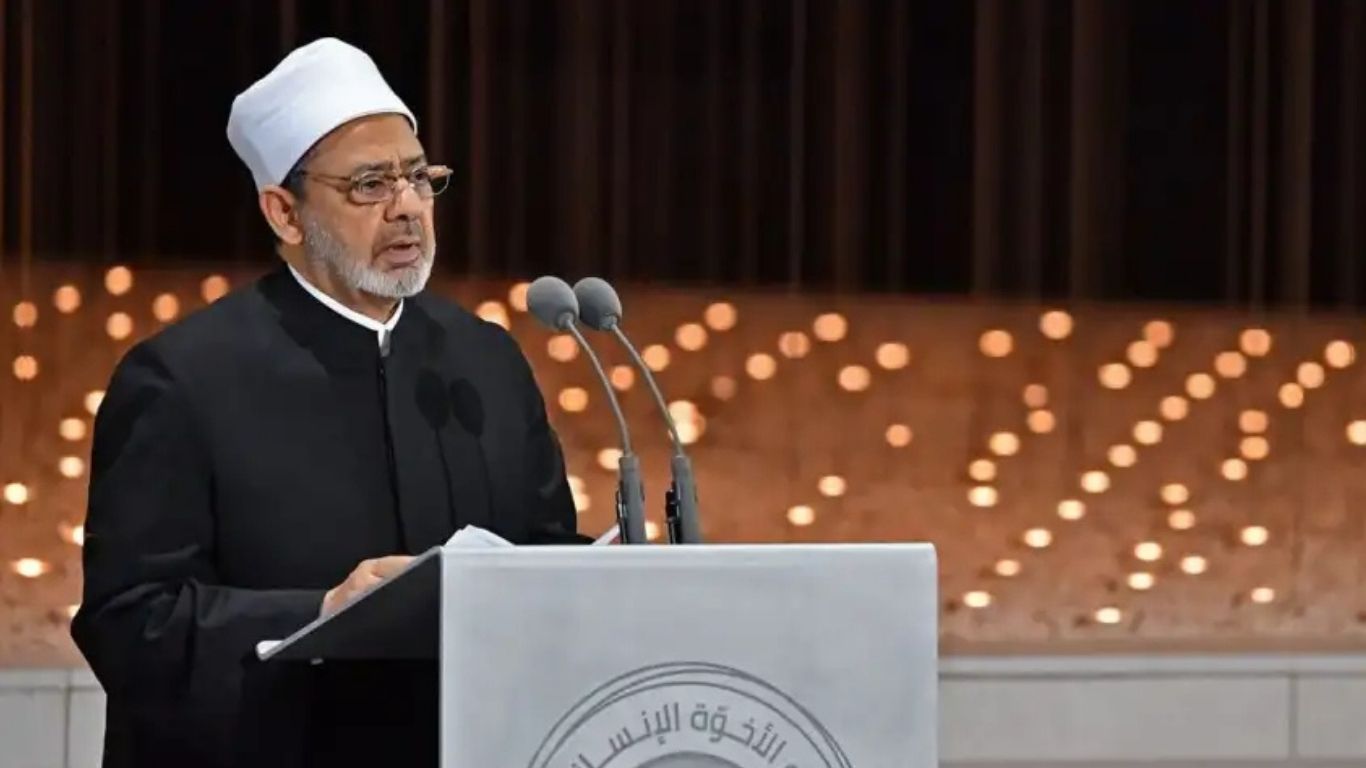
In a sharp escalation, Israeli media label Egypt’s Al-Azhar “the head of the snake” for its condemnation of Israeli actions in Gaza. Explore the growing rift between Israeli commentators and Sunni Islam’s leading institution.
In a striking escalation of rhetoric, Israeli media have launched an aggressive attack on Al-Azhar Al-Sharif, Egypt’s most influential Islamic institution, accusing it of inciting hostility toward Israel over its firm stance on the situation in Gaza.
A recent report published by the Hebrew-language daily Maariv described Al-Azhar as “the head of the snake” and even called for its “elimination”, following the institution’s condemnation of alleged Israeli war crimes and genocide in the besieged Gaza Strip. The statements have sparked outrage and raised serious concerns about regional diplomatic fallout and the freedom of religious expression in times of conflict.
Al-Azhar Under Fire for Gaza Stance
Al-Azhar Al-Sharif, widely regarded as the highest authority in Sunni Islamic scholarship, came under attack after it released a powerful statement accusing Israel of “committing genocide and enforcing a starvation policy” in Gaza. The declaration followed reports of worsening humanitarian conditions and mass civilian casualties in the enclave, as the Israel-Gaza war drags into its most destructive phase.
Though the statement was later removed from Al-Azhar’s official platforms, the reaction from Israeli commentators was swift and unforgiving.
“Al-Azhar is the head of the snake, and it must be cut off,” the Maariv report stated, quoting unnamed sources and directly referencing a call for the institution’s dismantling due to what it perceives as continued incitement against Israel.
Eli Dekel: From Intelligence Officer to Cultural Commentator
The Maariv report also featured commentary from Eli Dekel, a former Israeli intelligence officer with a focus on Egyptian affairs. Dekel, despite acknowledging that he is “not an expert on Islam,” sharply criticized Al-Azhar, accusing the institution of becoming a “mouthpiece for hostility toward Israel from within Egypt.”
“Al-Azhar has turned into a symbol of religious incitement, portraying Israel as an aggressor to the Muslim world,” Dekel claimed. “Even though I do not specialize in Islam, my background in regional affairs gives me insight into its political influence.”
Dekel’s remarks highlight how religious institutions in the Arab world especially one as prestigious as Al-Azhar are increasingly being viewed by Israeli media as political actors rather than neutral religious authorities.
Al-Azhar’s Influence in the Muslim World
Founded over 1,000 years ago, Al-Azhar University and its affiliated mosque in Cairo are globally recognized as pillars of Islamic theology, jurisprudence, and cultural education. The Grand Imam, Ahmed Al-Tayeb, has long been a vocal figure on key issues affecting the Muslim world, including Palestinian rights, religious coexistence, and humanitarian crises.
Al-Azhar’s condemnation of Israel, though unsurprising to many observers, struck a nerve due to the timing and language used. The now-deleted statement explicitly called Israeli operations in Gaza “systematic ethnic cleansing”, aligning its stance with international human rights groups and UN officials who have issued similar warnings about the scale of suffering in the territory.
Egypt-Israel Relations: Caught in a Delicate Balance
The targeting of Al-Azhar by Israeli media comes at a sensitive time for Egypt-Israel relations. Despite maintaining a formal peace treaty since 1979 and cooperating on key security and economic issues, the public sentiment in Egypt remains overwhelmingly pro-Palestinian. This tension often forces Egyptian authorities to walk a tightrope between official diplomacy and domestic pressures.
Al-Azhar’s vocal stance reflects broader Egyptian public opinion, which has grown increasingly critical of Israeli military actions in Gaza. However, the removal of its original statement from public platforms suggests possible state intervention to de-escalate regional tensions or prevent diplomatic backlash.
Freedom of Religious Expression in Question
The Maariv article’s call for “eliminating” Al-Azhar represents more than just harsh criticism it raises questions about the boundaries of free speech, religious influence, and political retaliation in the context of international conflict.
Analysts argue that attempting to delegitimize Al-Azhar could undermine dialogue between faith communities and increase polarization in an already volatile region.
“When powerful religious institutions are labeled enemies for standing up to perceived injustice, it sets a dangerous precedent,” said a political science professor based in Beirut. “This is not only about Egypt or Israel it’s about how global powers choose to engage with religion in public discourse.”
Regional Fallout and International Reactions
So far, official responses from Cairo and Al-Azhar remain muted, likely in an attempt to avoid further diplomatic deterioration. However, the incident has ignited fierce debate across Arab media and social platforms, with many defending Al-Azhar’s right to speak out against what they view as a humanitarian catastrophe.
Several social media campaigns have emerged in support of Grand Imam Ahmed Al-Tayeb, with hashtags such as #StandWithAlAzhar and #GazaGenocide trending in the Middle East. Influential clerics and public figures have also criticized the Maariv piece as Islamophobic and inflammatory, warning of potential backlash.
Conclusion: Faith, Power, and the Battle for Narrative
The conflict between Israeli media and Al-Azhar underscores a larger battle being waged not just on the ground, but in the realm of public perception, moral authority, and soft power. As the Gaza crisis deepens, religious institutions like Al-Azhar continue to play a critical role in shaping narratives and influencing public sentiment across the Arab and Muslim world.
Labeling such a revered institution as “the head of the snake” risks exacerbating tensions, inflaming interfaith relations, and alienating millions who look to Al-Azhar for guidance on issues of justice and moral clarity.
The Israeli media’s escalation signals a growing discomfort with the role religious institutions play in global advocacy, especially when they challenge official state narratives. Whether this moment leads to productive dialogue or deeper divisions remains to be seen but the lines between faith, politics, and power have never been more starkly drawn.




