

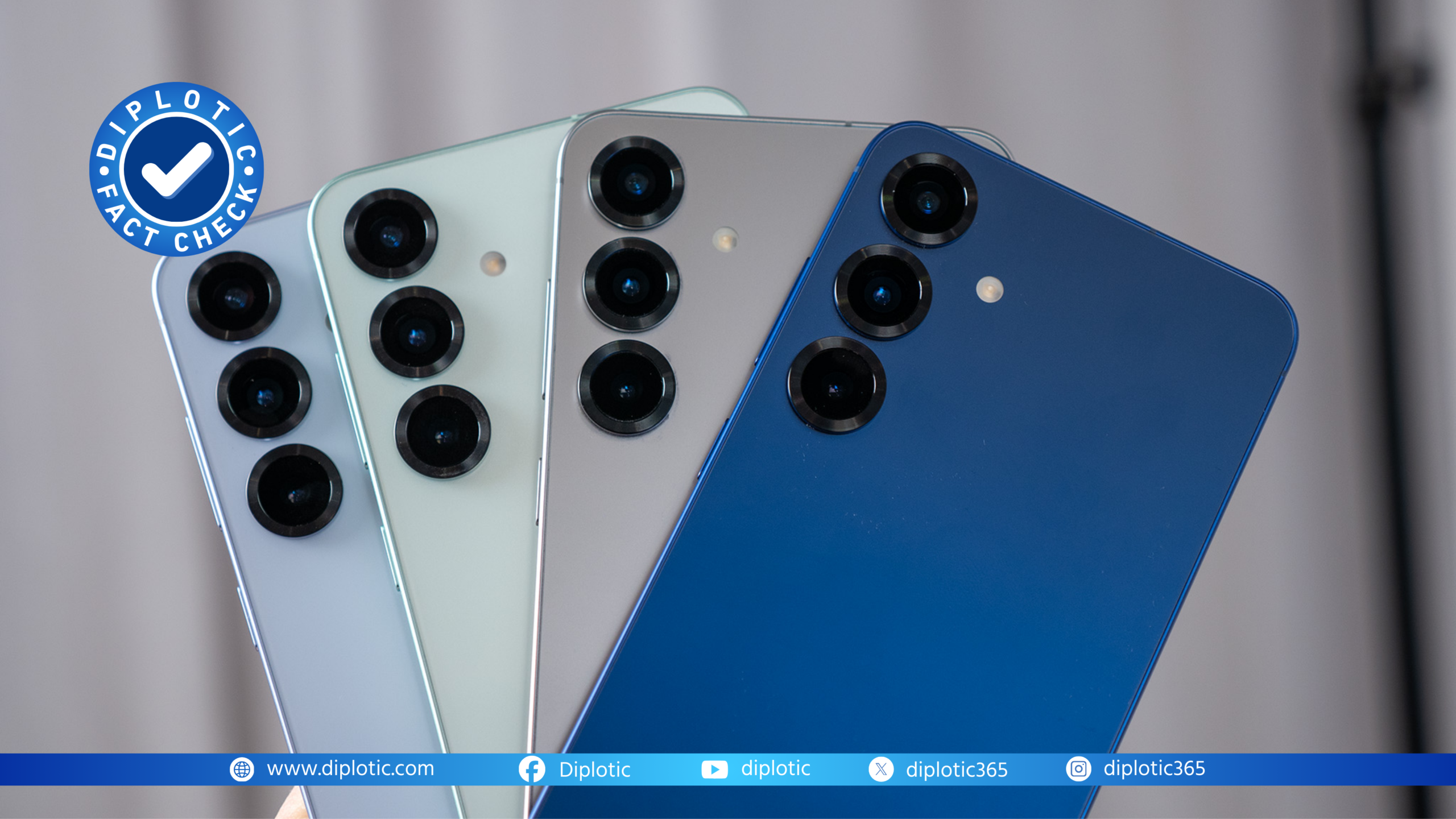
Samsung unveiled the Galaxy S26 series on February 25, 2026, with Galaxy AI positioned as a core pillar of the experience. Features include real-time translation, photo editing, note summarization, proactive task assistance, and the new hardware-based Privacy Display on the Ultra model. In an interview at MWC 2026, Samsung Europe CMO Benjamin Braun emphasized privacy as a major theme, accessibility of AI across more devices, and a long-term vision of “AI-first phones” that act proactively rather than reactively. Social media and tech commentary have sparked claims that the AI suite invades privacy by default—collecting conversations, location, usage patterns, or screen content without meaningful user control or consent.
This question is relevant because AI features in smartphones process sensitive personal data (voice, text, images, location) and raise legitimate concerns about data handling, especially as on-device vs cloud processing and opt-in mechanisms vary by vendor. Samsung has marketed Galaxy AI as privacy-focused since the S24 series, but default settings, data flows, and future proactive capabilities invite scrutiny.
This investigation reviews official Samsung statements, the CMO interview, privacy documentation, and technical analyses to determine whether Galaxy AI on the S26 invades privacy by default or if concerns stem from exaggeration or misunderstanding.
Claim 1: Galaxy AI on the S26 collects and processes personal data without user consent by default.
Evaluation: Samsung states that Galaxy AI features are designed with privacy in mind: many core functions (e.g., live translation, circle-to-search, photo editing, note summarization) run entirely on-device using the phone’s NPU and do not send data to servers. The company has maintained since the S24 that no personal data leaves the device for these on-device tasks unless the user explicitly enables cloud-based enhancements (e.g., advanced generative editing or certain translation modes). Privacy settings allow users to toggle individual features, review permissions, and disable cloud processing. The new Privacy Display (hardware-level screen privacy) is opt-in and app-specific. No evidence from the CMO interview, Samsung’s privacy policy updates for S26, or third-party teardowns indicates default collection of conversations, location, or usage beyond standard Android permissions that users must grant.
Verdict: False. Core Galaxy AI features run on-device by default and do not collect or transmit personal data without explicit user action or permission.
Claim 2: The proactive “AI-first” vision described by the CMO means the phone will spy on users or act without consent.
Evaluation: Braun described future AI phones as shifting from reactive to proactive—anticipating needs like summarizing emails or organizing information automatically. He stressed that usefulness, not gimmicks, is the goal. Current S26 features already include limited proactivity (e.g., suggested replies, auto-editing suggestions), but all remain user-initiated or opt-in. Samsung has not indicated any shift to always-listening, always-watching behavior without consent. Android’s permission model (mic, camera, location access) still requires explicit grants, and Samsung’s Knox security layer adds hardware-backed isolation. Proactive AI in 2026–future models will likely rely on on-device processing and user-defined boundaries to avoid privacy backlash.
Verdict: Misleading. Proactive capabilities are aspirational and currently limited; no evidence suggests spying or consent bypass.
Claim 3: The Privacy Display on the S26 Ultra proves Samsung prioritizes privacy, countering invasion claims.
Evaluation: The Privacy Display uses hardware-level light-direction control so the screen is visible only from straight ahead—preventing shoulder-surfing in public. Users can toggle it globally or per app and link it to notifications. Braun highlighted it as a deliberate privacy innovation. This feature, combined with on-device AI processing and granular controls, supports Samsung’s stated focus on privacy. While not eliminating all risks (e.g., cloud fallback for some features requires separate opt-in), it demonstrates active investment in user control rather than default invasion.
Verdict: True in highlighting a genuine privacy measure. The hardware privacy screen and on-device emphasis counter broad invasion claims.
Claim 4: Online claims of privacy invasion by default are exaggerated or stem from misunderstanding how Galaxy AI works.
Evaluation: Many viral posts generalize “AI = data collection” without distinguishing on-device from cloud processing or noting user controls. Samsung’s approach—on-device for most features, cloud only with opt-in, and hardware privacy tools—contrasts with more cloud-reliant competitors. Concerns often arise from conflating Android’s baseline permissions, past controversies, or fear of future proactive AI. The CMO interview and official materials consistently frame privacy as foundational, not secondary.
Verdict: True. Most invasion claims oversimplify or misrepresent the on-device-first, user-controlled design.
Claim 5: Regardless of current implementation, the shift toward proactive AI phones raises valid long-term privacy concerns.
Evaluation: Braun’s vision of AI anticipating needs introduces legitimate questions about where the line falls between helpful automation and intrusive monitoring. Future features that act without explicit prompts could require deeper data access (calendar, messages, location patterns), even if processed on-device. User trust will depend on transparent boundaries, revocable permissions, and avoidance of dark patterns. The principle at stake is informed consent in an increasingly intelligent device ecosystem.
Verdict: True in highlighting a genuine concern. Proactive AI evolution warrants ongoing scrutiny, even if the S26 remains privacy-respecting.
Conclusion: On-Device Focus with User Controls, Not Default Invasion
Galaxy AI on the Samsung Galaxy S26 series runs most core features on-device, processes personal data locally, and requires explicit user permission for any cloud involvement. The new Privacy Display (hardware-based) and granular toggles reinforce Samsung’s emphasis on user control rather than default data collection. Claims of privacy invasion by default misrepresent the architecture—on-device processing, opt-in cloud options, and hardware safeguards are central, not secondary.
Viral concerns often stem from generalized AI fears or confusion between reactive and future proactive capabilities. While the CMO’s vision of AI-first phones raises valid long-term questions about consent and boundaries, the S26 itself does not cross into invasive territory by default.
For users, the practical takeaway is straightforward: review and manage permissions as with any smartphone, but Galaxy AI’s design prioritizes on-device privacy more than many assume. In the balance between intelligence and control, Samsung’s current implementation leans toward the latter—worthy of note rather than alarm.




