
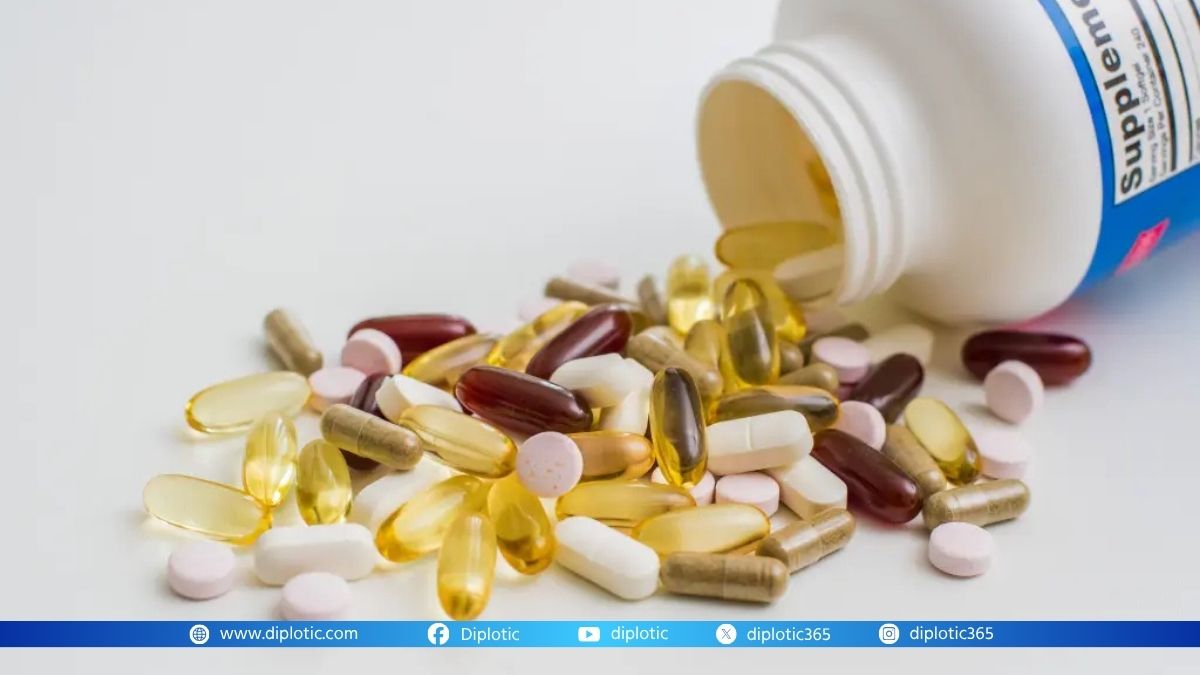
In the vast, shimmering market of wellness, few sectors shine quite like vitamin supplements. With the global vitamin-supplement market projected to soar well past USD 100 billion in the coming years, consumers are pouring money into pills, capsules, and powders promising everything from disease prevention to “ultimate immune support.” But beneath the glossy packaging and bold health claims lies a far more sobering reality: for most healthy adults, the benefits of taking regular vitamin supplements are, at best, marginal, and in some cases nonexistent or even harmful. Discover the startling truth behind the booming vitamin-supplement industry: multi-billion dollar sales, minimal benefits, and hidden risks. Learn how to protect your health, money, and expectations.
The Booming Industry Driven by Fear, Hope & Marketing
The numbers are staggering: researchers estimate the vitamin-supplement market was valued at around USD 52.9 billion in 2022 and could surpass USD 104 billion by 2030. Meanwhile, industry analysts forecast consistent high growth, driven by aging populations, busy lifestyles, and growing health anxieties. The equation is simple: uneasy consumers + heavy marketing + promise of “easy health fix” = massive sales.
Manufacturers promote multivitamins and single-vitamin products with claims of boosting immunity, enhancing longevity, and preventing disease. But many of these claims overlook a crucial fact: being deficient in a vitamin is not the same as taking extra will improve your health. In fact, multiple high-quality reviews and meta-analyses now show that for individuals with reasonably good diets and health, routine supplementation adds little measurable benefit.
What the Research Actually Shows
One landmark analysis in the journal JAMA Network Open evaluated data from over 390,000 generally healthy U.S. adults followed for more than 20 years. The results? Regular multivitamin use was not associated with a significant reduction in mortality. Another review concluded that the evidence was insufficient to support the use of multivitamin/mineral supplements to prevent cancer or chronic disease. Further, an article in US Pharmacist summarized that while many people believe in the preventive power of supplements, the best available data show “little or no benefit” for preventing cardiovascular disease, cancer, or death, but some potential for harm.
In terms of specific vitamins, the evidence remains mixed. A meta-analysis found modest effects of certain vitamins on cardiovascular outcomes (for example, vitamin D ranked best among the tested vitamins, though even this was not definitive). Another recent empirical real-world study found that vitamin D supplement users had slightly lower all-cause mortality, but the study also noted many confounders and did not translate to a blanket endorsement of supplementation.
The overriding message? If you are a generally healthy adult eating a typical diet and living in a country without severe nutrient deficiencies, then spending large sums on vitamins is unlikely to deliver the dramatic health benefits being advertised.
The Hidden Risks & Opportunity Costs
Beyond the underwhelming benefits, there are real risks and unseen costs. Taking supplements can lead to toxicities (especially fat-soluble vitamins like A, D, E, and K), unhelpful interactions with medications, and a false sense of security that diverts attention from proven lifestyle interventions. Faulty or misleading labeling is also widespread in segments of the industry.
Moreover, every dollar spent on a “miracle pill” is a dollar not invested in lifestyle changes that genuinely move the needle: whole-food nutrition, physical activity, sleep quality, and stress reduction. The opportunity cost is real. Essentially, the supplement industry has created a narrative of “quick fix” that distracts from the fundamentals of ecological health.
Why the Industry Keeps Growing Despite Weak Evidence
It boils down to marketing, regulatory gaps, and human psychology. Consumers are bombarded with messages that they’re not getting enough nutrients, that our modern diets are flawed, and that a “daily multivitamin” is the safe, smart move. The industry is adept at exploiting fears about aging, immunity, and disease and offering an apparently easy solution.
On the regulatory front, dietary supplements often do not require the same rigorous testing and approval as pharmaceuticals. Claims can be vague (“support immune health,” “helps convert food into energy”) rather than definitive (“prevents disease”). This leaves a wide margin for promotional language without commensurate proof.
Finally, psychologists note that humans are drawn to action even when the action may not deliver. Taking a pill gives a feeling of control. In a world of uncertainty, that’s psychologically powerful even if medically the benefit is minimal.
When Supplements Do Make Sense
It’s important to emphasise that vitamins are not always useless. For certain populations, supplementation is proven and appropriate:
- Individuals with diagnosed nutrient deficiencies (e.g., vitamin B12 deficiency in strict vegans, vitamin D deficiency in minimal sunlight populations)
- People with restricted diets or malabsorption disorders
- Pregnant people who require folic acid or iron supplementation
- Areas with established food-fortification gaps
In these contexts, targeted supplementation under medical supervision can be beneficial. But the key word is targeted—not “take everything under the sun just in case.”
Reclaiming Real Health Over Hype
The booming vitamin-supplement industry is built on hopes, fears, and aggressive marketing, not on a solid foundation of broad benefit for healthy individuals. While the supplements market may tickle USD 100 billion in the coming decade, for most people, the return on investment is minimal. Research consistently shows only marginal returns for general multivitamin use, and in some cases, potential harm. Which means the term “vitamin scam” is harsh but not unfair when pitched as a cure-all.
If you’re investing in your health, ask the hard questions: Am I deficient and medically advised to supplement? Am I using a supplement as a substitute for healthy habits and therefore missing the point? Are my money and effort better channelled into diet, movement, and sleep?
In the end, real health improvement doesn’t come from taking a golden pill; it comes from consistent lifestyle choices, informed decisions, and realistic expectations. The supplement industry may sell dreams, but your health deserves more than a hopeful promise.