

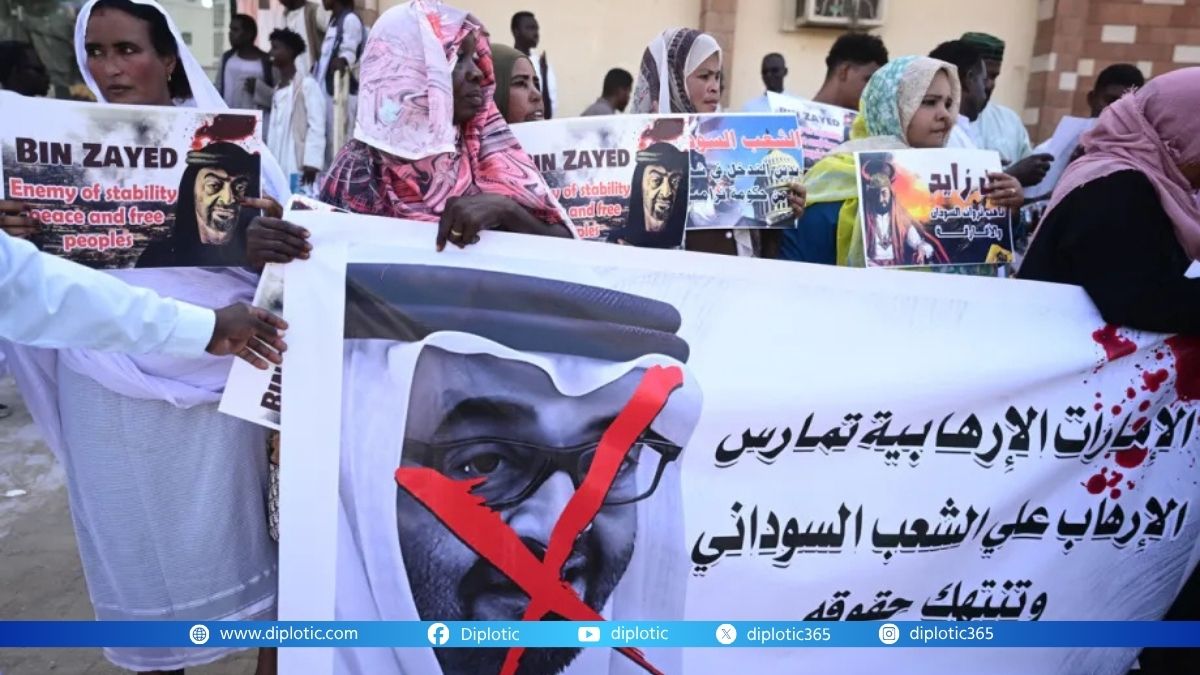
The protracted civil war in Sudan between the Sudanese Armed Forces (SAF) and the Rapid Support Forces (RSF) has triggered a powerful convergence of three developments: mounting consumer-boycott campaigns directed at the UAE and Emirati companies; coordinated influencer efforts tied to Israel and the UAE to shape the online narrative; and a growing push by British and other MPs for a full arms embargo on the UAE in light of alleged support for the RSF.
Boycott calls over UAE-linked complicity
Activists and diaspora groups have ramped up calls to boycott the UAE and Emirati-linked firms, asserting that the Gulf state has played a pivotal behind-the-scenes role in equipping and supporting the RSF, whose fighters have been credibly accused of widespread atrocities in Darfur.
The boycott campaign aims to place reputational and financial pressure on the UAE by pointing to its business interests and commercial links, arguing that consumer action can amplify accountability where diplomatic responses have lagged.
Influencer and online narrative warfare
At the same time, a wave of online influencer efforts reportedly coordinated from Israel and the UAE has sought to shape global perceptions of the conflict. These campaigns highlight RSF massacres (notably in El Fasher, Darfur) and cast the SAF as lesser perpetrators, while also implicating the UAE for its alleged enabling role.
The digital activism has, in turn, amplified the boycott efforts: social media posts tagging “Boycott The UAE” have accompanied visuals of RSF violence, and influencer content has pressed international audiences to link consumer behavior with wartime complicity.
Political pressure for an arms embargo
In parallel, British MPs across multiple parties have urged the UK government to pause or end arms sales to the UAE, citing risks that UK-made military equipment or logistics might be diverted to the RSF theater in Sudan.
The argument is that if the UAE is indeed assisting the RSF (through arms transfers, logistics, or mercenaries), then continuing discretionary arms exports to the UAE means tacit complicity in war crimes in Sudan. As one analysis put it, Western states are showing “culpable indifference” by maintaining strategic ties with the UAE while a genocide-scale atrocity unfolds in Darfur.
Why do the three threads interlock?
These three developments are not independent. The boycott movement gains traction because of the claims about weapons flows and atrocities, and the influencer-led framing magnifies both the reputational risk to the UAE and the moral case for political action. Meanwhile, MPs’ calls for an arms embargo carry more weight when consumer-boycott campaigns and influencer content are raising the UAE’s exposure in the public eye.
In effect, public pressure (via boycott & influencers) is feeding into normative political pressure (via MPs), which in turn seeks to alter the strategic calculus of arms-exporting states.
Key stakes and consequences for Sudan
If the RSF is receiving support via the UAE, then the fall of El Fasher and the reported mass killings that followed become part of a larger strategy of paramilitary expansion backed by foreign logistics and finance. The boycott and arms-embargo pressure aim to degrade that support.
Key stakes and consequences for the UAE
The campaigns represent a reputational threat. A successful boycott movement or sanction regime could hit the UAE’s global commerce, investment flows, and diplomatic standing. The influencer campaigns further raise the cost of silence.
For arms-exporting states: The UK (and others) must weigh strategic relationships with the UAE against the risk of being complicit in atrocities via downstream diversion of their military equipment. The broader question: can Western governments credibly claim they are not indirectly fueling genocide while permitting/licensing arms flows to states alleged to support the perpetrators?
For activists and diasporas: The synergy between consumer activism, digital narrative campaigns, and parliamentary lobbying suggests a more integrated model of pressure that could serve as a template for other conflicts.
What to watch going forward
Whether the boycott movement gains sustained traction (e.g., major companies withdrawing Emirati-linked sponsorship, consumers divesting from UAE ventures).
Whether influencer networks tied to Israel/UAE continue to escalate their campaigns, and how states respond (e.g., regulatory scrutiny of coordinated inauthentic behavior).
Whether the UK (and potentially the EU and U.S.) government(s) impose or strengthen arms embargoes on the UAE and whether such measures link explicitly to Sudan conflict risk.
Whether new independent investigations surface definitive proof of UAE-RSF arms transfers (or mercenary deployments), thereby strengthening the moral and legal case for sanctions or court action.
How the war in Sudan evolves
If the RSF continues to score battlefield gains (for example, at El Fasher) while the international pressure mounts, there may be increased incentives on the UAE to respond or shift strategy.
The war in Sudan has morphed into not only a battlefield tragedy but also a diplomatic and reputational crisis where consumer boycotts, digital influence campaigns, and parliamentary arms-export scrutiny are converging on the UAE and its role. The question now is whether these pressures will force tangible change or simply amplify the optics of complicity.




