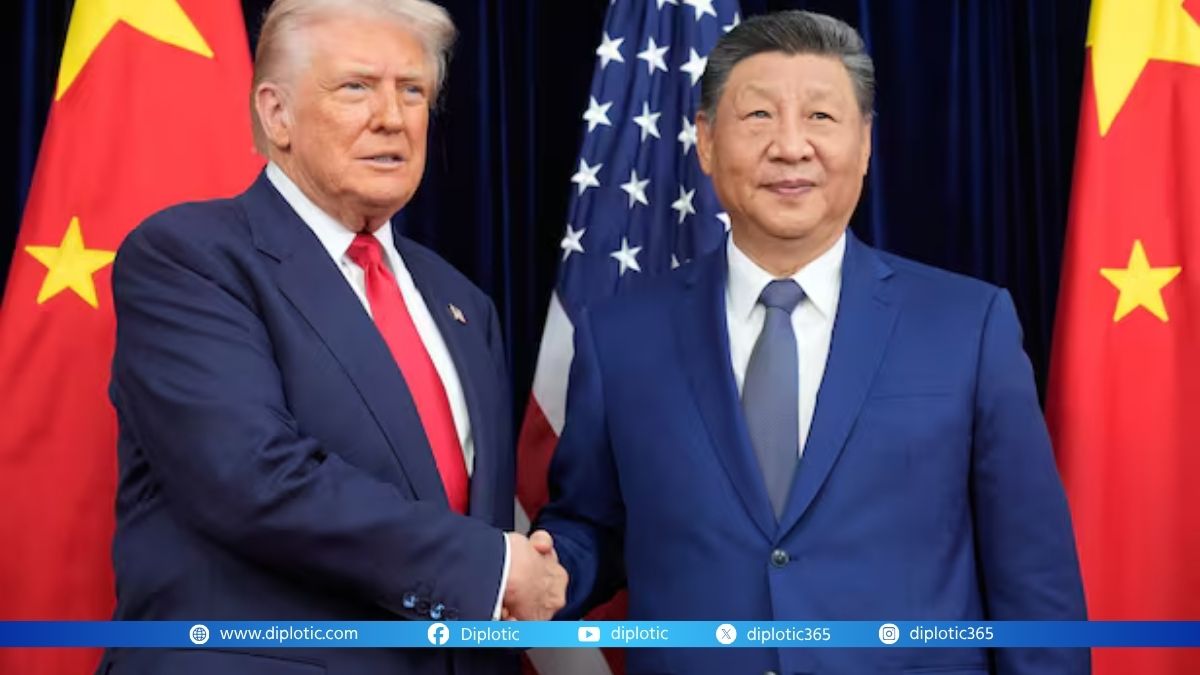
In October 2025, US President Donald Trump and Chinese President Xi Jinping met in Busan, South Korea, marking their first face-to-face encounter since 2019. While President Trump hailed the meeting as “amazing” and rated it “12 out of 10,” analysts remain cautious about the summit’s tangible impact on the protracted and complex US-China relationship. The leaders agreed to a tentative trade truce, halting tariff escalations and outlining cooperation on pressing issues like fentanyl trafficking, but avoided a comprehensive trade agreement or resolution of deeper systemic disputes.
Brief Yet Momentous: Meeting Duration and Expectations
The talks lasted roughly one hour and 40 minutes much shorter than the anticipated three to four hours. Experts like Shan Guo of Hutong Research suggest this brevity reflects a mutual decision to confine discussion to pre-negotiated topics rather than exploring new breakthroughs. Despite the short duration, Trump projected optimism, emphasizing the “amazing” outcome and signaling progress on key arenas such as trade, security, and technology.
Trade Truce, not a Deal: Managing the Ongoing War
The summit resulted in a temporary one-year truce, effectively freezing tariffs and countermeasures that the two nations have been using against each other in an on-again, off-again trade war over the past year. Major components include:
- The US agreed to reduce tariffs on Chinese goods from 57% to 47%. Though a 10% reduction, analysts argue this remains a high barrier to trade and falls short of expectations for substantive tariff relief.
- China agreed to postpone export restrictions on five critical rare earth metals essential for manufacturing electronics and military hardware. This suspension is seen as a strategic win for the US, temporarily easing supply chain concerns.
- Mutual cessation of port fees and the suspension of planned US export controls to Chinese subsidiaries under technology restrictions.
- China pledged to intensify efforts to curb the illegal trafficking of fentanyl, a powerful opioid at the heart of the US overdose crisis. In exchange, the US halved fentanyl-related tariffs from 20% to 10%.
- Beijing committed to resume importing US soybeans, a symbolic and economically significant gesture given the importance of agriculture to American farmers and US-China trade relations.
Semiconductor Tensions: Technology as a Flashpoint
Semiconductors remain a major source of friction. US export controls restrict China’s access to cutting-edge chips vital for artificial intelligence and advanced technologies. Trump indicated willingness to discuss semiconductor trade but refrained from easing restrictions on Nvidia’s Blackwell AI processors, which are crucial to US technological supremacy. Given the strategic and economic implications, this issue is likely to dominate future negotiations.
Economic and Strategic Implications of Rare Earth Metals
Rare earth metals emerged as a critical and symbolic concession. China controls over 70% of the world’s rare earth supply, materials indispensable for everything from smartphones to military hardware. The temporary suspension of export restrictions signals a pragmatic move by Beijing but also underscores these metals as a lasting area of leverage and contention in US-China relations. Analysts warn that China will likely use rare earths as bargaining chips in ongoing trade and diplomatic dialogues.
Addressing Narcotics: Fentanyl Control as a Diplomatic Bridge
Fentanyl trafficking, blamed by the US government for thousands of overdose deaths annually, has long been a source of tension. China’s commitment to reinforce efforts against illegal shipments represents meaningful, albeit partial, cooperation. The linked tariff reduction on fentanyl-related goods was a concrete American concession demonstrating the intertwining of public health and trade policy in global diplomacy.
Taiwan and Geopolitical Underpinnings
While trade and technology dominated official discussions, sensitive geopolitical topics such as Taiwan were notably absent, reflecting the delicacy of US-China rivalry. Trump acknowledged this omission but indicated ongoing work towards cooperation on broader issues, including the war in Ukraine. Managing these flashpoints remains crucial to sustainable US-China relations.
Looking Ahead: Future Engagements and Unresolved Issues
Both leaders confirmed plans for further engagement Trump will visit China in April 2026, and Xi is expected to reciprocate with a visit to the US. These meetings will provide opportunities to deepen cooperation or potentially exacerbate disagreements.
Economic experts caution that a truce offers only a temporary lull rather than a resolution. High tariffs, technology export controls, ideological rivalry, and strategic competition endure as substantial obstacles.
Progress Tempered by Realism
The Busan summit between Trump and Xi symbolizes a tactical thaw in the US-China trade war, blending diplomatic theater with limited concrete gains. While tariff reductions, rare earth reprieves, fentanyl cooperation, and soybean purchases provide short-term relief, the foundational challenges in US-China relations remain unresolved. As the two global powers navigate this complex terrain, future negotiations will test whether this “amazing” meeting can evolve from a ceasefire to a lasting peace.