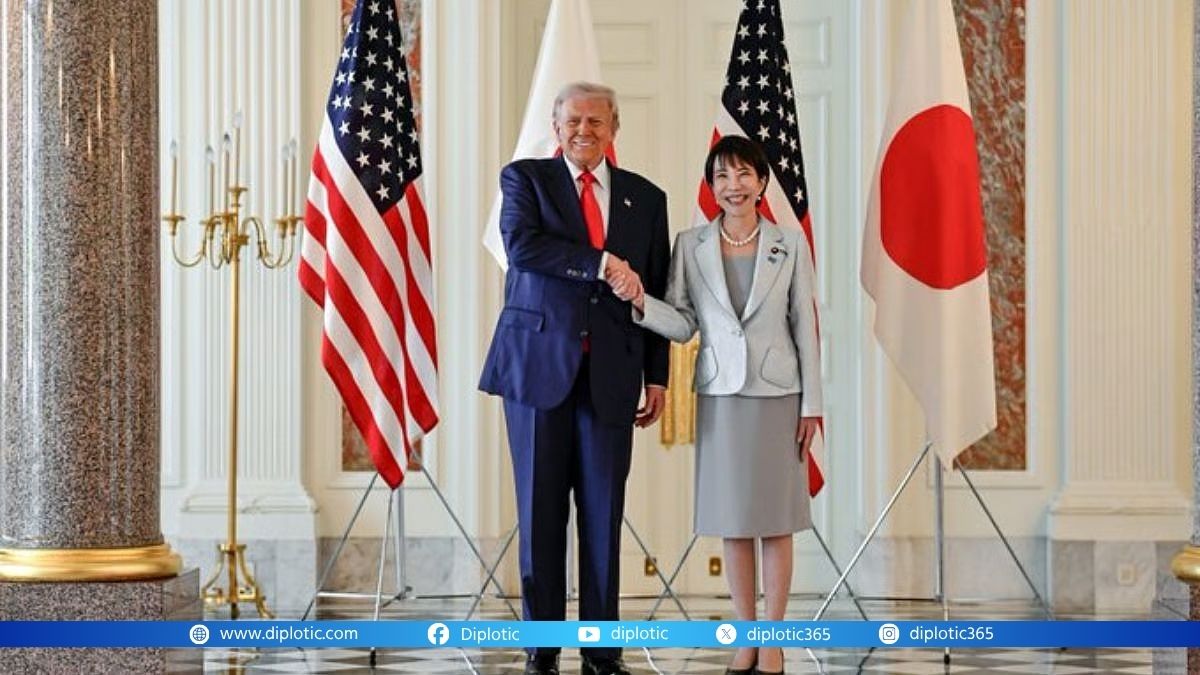
On October 28, 2025, a defining moment unfolded in Tokyo as US President Donald Trump met Japan’s first female prime minister, Sanae Takaichi, a conservative protégé of the late Shinzo Abe. This meeting sets the tone for a high-stakes partnership amidst escalating regional security challenges and complex trade negotiations. With Takaichi’s rightward shift and Trump’s unyielding diplomacy, the two leaders face the critical task of recalibrating one of the world’s strongest alliances to meet the 21st-century geopolitical realities.
Takaichi’s Rise: From Conservative Stalwart to Japan’s Iron Lady
Sanae Takaichi made history as Japan’s first female prime minister, assuming office amid economic headwinds, political instability, and mounting geopolitical pressures. Known for her staunch nationalism and conservative values, Takaichi pledges to accelerate Japan’s defense buildup, aiming to meet and even exceed the prior goal of raising defense spending to 2% of GDP by March 2026. However, how Japan will finance this buildup amid soaring inflation and planned tax cuts remains uncertain. Her leadership style echoes her mentor Shinzo Abe, signaling continuity in Japan’s strategic posture toward China and the Indo-Pacific region.
Trump’s Welcoming Message: Strengthening the US-Japan Alliance
President Trump warmly praised Takaichi during his Asia tour, calling her “fantastic” and recalling his close ties with the late Abe. Their meeting was characterized by mutual respect and shared concerns over regional security, tariffs, and economic cooperation. Trump reiterated the US commitment to Japan’s defense amid China’s growing assertiveness and welcomed Tokyo’s pledge to invest $550 billion into American industries, securing a tariff framework that reduced trade tensions. The leaders also discussed enhancing military cooperation, including US military presence in Japan, underscoring the alliance as the “cornerstone” of their security strategies.
Key Discussion Points
Defense:
Takaichi asserted urgency in “proactively advancing fundamental strengthening of Japan’s defense capabilities,” seeking to accelerate the planned 2% GDP defense spending goal. With North Korean threats and Chinese military maneuvers near the Senkaku Islands intensifying, Japan’s military modernization is central to regional stability. Discussions touched on the need for sustained funding amidst economic constraints due to inflation and fiscal challenges.
Trade:
Building on the July landmark agreement, Japan reaffirmed its commitment to invest heavily in the US and maintain reduced tariffs capped at 15%. However, both sides acknowledged pending issues requiring clarification, particularly regarding trade details and supply chain security. Takaichi’s cabinet includes veterans skilled in negotiating previous tariff talks, aiming to sustain momentum despite Trump’s unpredictable tariff policies.
Energy:
Energy security was highlighted, with Japan committed to reducing reliance on Russian liquefied natural gas while ensuring stable supply. Washington’s push for diversifying rare earth mineral sources away from China aligned with Tokyo’s interests in securing strategic materials vital to defense industries.
Regional Diplomacy: Walking the Tightrope Between Washington and Beijing
Takaichi’s by-now well-known hawkish stance on China, including her controversial visit to Taiwan and criticism of Beijing’s military expansionism, presents both opportunities and challenges. Japan continues to grapple with a complex relationship with China, its largest trading partner, while aligning closely with US Indo-Pacific strategy.
While maintaining a tough posture, Takaichi expressed interest in sustaining constructive ties with South Korea, acknowledging the regional necessity for trilateral cooperation amid shared security concerns. Her congratulatory remarks about Korean culture and emphasis on multilateralism aim to soften tensions and build pragmatic partnerships.
The meeting with Trump reaffirms Japan’s commitment to its alliance with the US. Still, balancing economic interdependence with China against strategic security commitments remains a delicate diplomatic dance.
Domestic Implications and Political Stakes
Takaichi inherits a Liberal Democratic Party weakened by scandals and coalition instability, with her government dependent on tenuous alliances and facing strong public scrutiny. Her ability to navigate this internal political environment while delivering on promises of economic revitalization, defense enhancement, and international diplomacy will be critical for her premiership’s longevity and effectiveness.
Trump’s visit and endorsement boost her stature domestically, but Takaichi must translate diplomatic goodwill into tangible benefits for Japanese citizens contending with inflation, a declining workforce, and geopolitical uncertainties.
A New Era in US-Japan Partnership
The meeting between Donald Trump and Sanae Takaichi symbolizes a renewed commitment to fortify a decades-old alliance pivotal to Indo-Pacific stability and global security. Their collaboration is framed by shared concerns about China’s rise, North Korean provocations, and the imperatives of economic cooperation amid geopolitical friction.
As Japan’s “Iron Lady” steps into the global spotlight, her leadership and ability to balance diplomacy, defense, and domestic priorities will shape the trajectory of US-Japan relations and regional geopolitics in this increasingly contested era.