Sudan’s long-simmering conflict took a drastic turn on Sunday as the paramilitary Rapid Support Forces (RSF) stormed the strategic city of el-Fasher in North Darfur, igniting fears of widespread violence and human rights abuses. This development comes just hours after the collapse of U.S.-brokered ceasefire talks in Washington, which had raised fragile hopes of peace. The RSF’s seizure of the city marks a critical military and symbolic victory after months of losing ground to the Sudanese Armed Forces (SAF).
El-Fasher, home to approximately 260,000 civilians trapped by prolonged siege conditions, has long been a focal point of Sudan’s brutal civil war. The RSF’s offensive included the capture of the Sixth Infantry Army base, a key military installation. Eyewitness accounts from local fighters and activists confirm intense, high-intensity combat involving the use of drones and heavy artillery. These sources report that while defenders conducted tactical withdrawals, the RSF broke through eastern defenses and entrenched itself inside the city.
Collapse of Ceasefire Talks and UAE’s Controversial Role
The timing of the RSF’s advance could not be more striking. It occurred mere hours after the failure of the ceasefire negotiations facilitated by the United States, which also involved Egypt, Saudi Arabia, and the United Arab Emirates (UAE), a strategic patron of the RSF. The UAE’s refusal to address the humanitarian crisis in el-Fasher during the talks has sparked diplomatic backlash.
According to diplomatic insiders, the UAE blocked any discussion of el-Fasher, framing the conflict as equally culpable on both sides a position widely challenged by humanitarian organizations and the international community. The UAE’s substantial support for the RSF, including the supply of arms, funding, and mercenaries, has been a consistent point of contention. Sudanese Armed Forces representatives explicitly rejected the UAE’s involvement in the negotiations, viewing the country as a belligerent rather than a neutral mediator.
Sudanese Foreign Minister Mohi al-Din Salem, representing SAF at the talks, declared that future dealings with the UAE would be “as an enemy, not a mediator,” underscoring the deep diplomatic rift.
Regional and Global Diplomatic Implications
The conflict’s scaling fractures Sudan geographically and politically: the RSF controls much of western Sudan, including Darfur, while the SAF holds sway over the east, with its government seated in Port Sudan. The fall of el-Fasher symbolizes a de facto division of the country and complicates diplomatic efforts aimed at reunification or peace enforcement.
International actors face mounting pressure. United Nations Secretary-General António Guterres condemned the ongoing interference by foreign states supplying arms to both sides, calling for an immediate halt to external involvement. The U.S., actively engaged through envoy Massad Boulos for Arab and African affairs, has pursued a strategy linking Sudan’s internal dynamics to broader geopolitical goals. Negotiations reportedly demanded SAF curb Islamist influence, limit Iranian arms flows, and endorse regional normalization agreements linked to the Abraham Accords.
Conversely, General Abdel Fattah al-Burhan, head of the SAF and Sudan’s de facto leader, counters with demands for the UAE to cease its involvement, calls for dissolving or integrating the RSF into the official military structure, and seeks sanctions relief from the U.S.
This fragile diplomatic choreography underscores a complex interplay of Sudan’s internal strife and wider regional power competition involving the Gulf states, Iran, Russia, and China, all vying for strategic influence.
Ground Realities: Humanitarian Catastrophe and Resistance
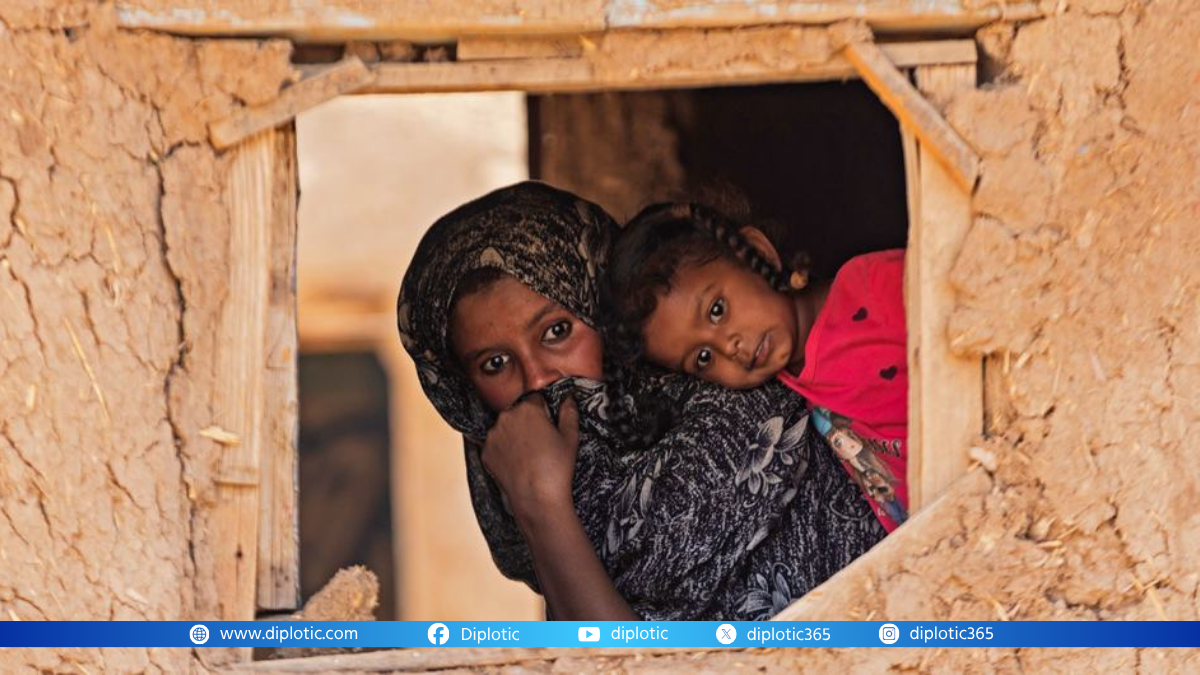
On the ground, the humanitarian crisis deepens alarmingly. The RSF laid siege to el-Fasher for over 500 days before breaking into the city, and civilians trapped inside face dire shortages of food, medicine, and essential services. Human rights groups have documented systematic abuse by RSF forces in Darfur, including alleged massacres and the use of landmines to prevent civilian escape.
Visual evidence emerging from el-Fasher appears deeply troubling, with unverified videos showing RSF detention practices and harsh treatment of civilians. Communication remains limited, relying on satellite internet services like Starlink, highlighting the isolated conditions endured by residents.
Despite setbacks, local Popular Resistance Committees continue to mount defense operations, retreating tactically but maintaining control over northern neighborhoods. Fighters report unprecedented ferocity in RSF assaults, involving drones and heavy weaponry rarely seen before in Sudan’s conflict landscape.
Strategic Outlook and Urgent Diplomatic Priorities
The storming of el-Fasher and the Washington talks’ failure represent both military and diplomatic turning points. They illustrate the urgent need for a renewed international strategy that addresses the conflict’s multifaceted drivers: paramilitary power ambitions, foreign state interference, and deep fractures in Sudanese society.
Key diplomatic priority areas include:
- Securing a comprehensive ceasefire that respects civilian protection and humanitarian access.
- Reassessing the role of external actors, especially the UAE’s involvement, to reduce exacerbation of hostilities.
- Facilitating inclusive negotiations that bridge SAF and RSF demands for integration and political reforms.
- Ensuring sustained international monitoring and accountability mechanisms to prevent atrocity crimes.
- Coordinating regional stakeholders, including Egypt, Saudi Arabia, and global powers, to balance geopolitical interests with peace imperatives.
Conclusion: A Tense Crossroads for Sudan and its Partners
Sudan stands at a perilous crossroads. The RSF’s capture of el-Fasher signals a shift toward potential escalation in Darfur’s already volatile situation, while the fractured diplomatic process threatens to entrench divisions further. The international community must urgently reconfigure its approach, balancing pressure on armed groups with realpolitik considerations of regional alliances.
For Sudan’s millions caught in the crossfire, the imperative is clear: restore peace, safeguard civilians, and initiate a political settlement capable of ending two years of devastating conflict.
The coming weeks will be critical in determining whether renewed diplomatic will can match the urgency on the ground or if Sudan will slide deeper into chaos.