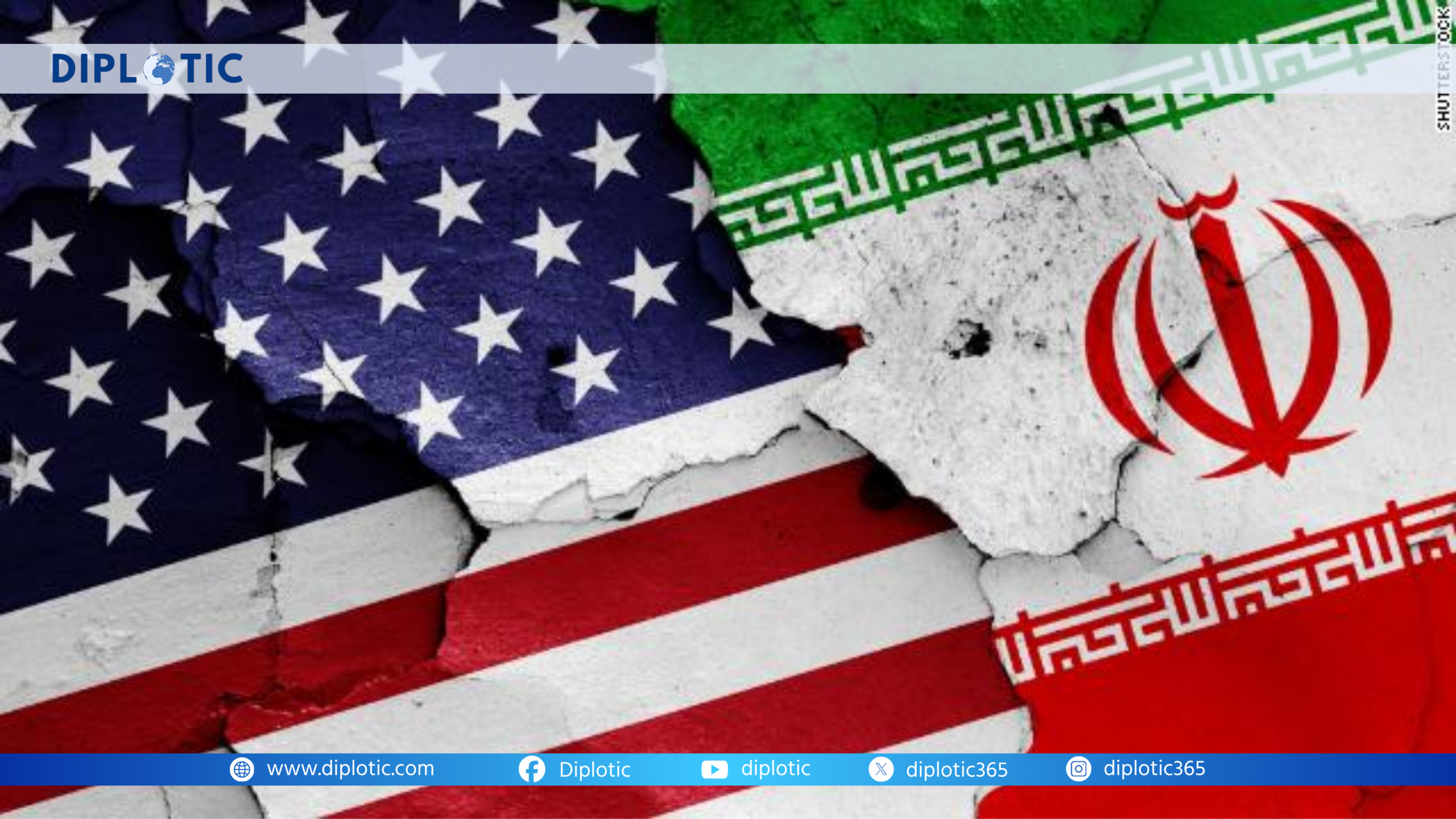
A widely debated question, “Are we witnessing the fall of the American empire?” is a compelling narrative, but it’s more complex than a simple yes or no.
How facetious it is that an unwritten empire like the United States will go silent without the sound of any terrifying explosion or a grandiloquent war!
Today, we’ll try to settle that debate and gain a clearer sense of how the balance of power really stands.
Validation of the declinist’s lens
Most historians and political scientists argue that the United States is not experiencing a sudden, dramatic collapse like the fall of Rome. Instead, what we are likely seeing is a shift in the global order characterized by three key processes:
Relative Decline: America’s share of global power is decreasing not necessarily because it is becoming dramatically weaker in absolute terms, but because other nations, most notably China, are rising so quickly. This is a natural process in world history. The US dominated the post-WWII era in an unusual way because other major powers like the UK, Japan, and Russia had been devastated by the war.
Internal Challenges: The U.S. faces significant internal struggles that weaken its cohesion and capacity to act confidently on the world stage. These include political polarization resulting in long-term foreign policy difficulties, economic inequality, widening wealth gaps, creating social instability, and so on.
A Changing World (Multipolarity): The world is moving from a “unipolar moment” to a multipolar system. Power is diffusing to other actors like China, a resurgent Russia, the European Union (as a bloc), and regional powers like India. This doesn’t mean the U.S. is irrelevant; it means it can no longer dictate terms alone.
Arguments for the “Decline” or “Fall” Thesis
Those who see a fall in progress point to:
Inevitable Rise of China: China’s economic growth, technological advancement, and military modernization present the first credible peer competitor to the U.S. since the Soviet Union.
Experts like John Mearsheimer of the University of Chicago argue that China’s rise is the most significant threat to U.S. primacy. He believes the structure of the international system means a powerful China will inevitably seek to dominate Asia and push the U.S. out, leading to intense conflict, glorifying “Thucydides’s Trap” theory.
Foreign Policy Setbacks: The costly and inconclusive wars in Iraq and Afghanistan, along with a perceived withdrawal from global leadership, are cited as evidence of imperial overstretch or retreat.
The Resurgence of Revisionist Power Russia: While its economy is smaller than Italy’s, Russia has used its energy resources and military power, including its nuclear arsenal, as tools of disruption. Its actions in Ukraine and Syria are direct challenges to the U.S.-led international order, demonstrating a willingness to use force to redraw borders and assert influence.
The Emergence of Other Regional Powers: Nations like India, Brazil, Turkey, and Iran are asserting their own regional interests more independently. They are less willing to automatically follow the U.S. lead, opting for multi-alignment balancing relationships with the U.S., China, and Russia to maximize their own advantage. This makes the world more multipolar and less manageable for a single hegemon.
De-dollarization Efforts: While still dominant, the U.S. dollar’s status as the world’s reserve currency is being slowly challenged, which would undermine a key pillar of American financial power.
Another acute symptom has been diagnosed titularly ‘Imperial Overstretch’.The idea, associated with historians like Paul Kennedy, is that the U.S. has overextended itself militarily and financially, maintaining a global network of commitments that is unsustainable and drains resources needed for domestic renewal.
Arguments Against The “Fall” Thesis
On the other hand, there are strong arguments for American resilience. The U.S. still possesses unparalleled assets that will serve it from inward as the herculean enduring strengths.
Military: The world’s most powerful and technologically advanced military, with a global network of bases and proxy states. Maritime governance is another caliber to rule the world, and America still holds the reins.
Economy: It remains the world’s largest economy, is at the forefront of innovation in all fields like Tech, AI, Biotech, etc., and boasts immense energy resources.
Demographics: Unlike China, Russia, and Europe, the U.S. has a relatively young and growing population, thanks to immigration.
Alliances: It leads a strong network of alliances, e.g., NATO, Japan, South Korea, Australia, and Gulf states, that China and Russia lack.
Not A Fall, But A Transition
The most accurate description is probably that we are witnessing the end of the post-Cold War unipolar era and the painful transition to a more competitive, multipolar world.
The United States is not falling in the way ancient empires did, but its position of overwhelming dominance is eroding. The future is less likely to be “American empire” or “Chinese empire” and more likely a world where multiple great powers compete and cooperate, with the U.S. remaining the most influential among equals for the foreseeable future, but without the same ability to act unilaterally.