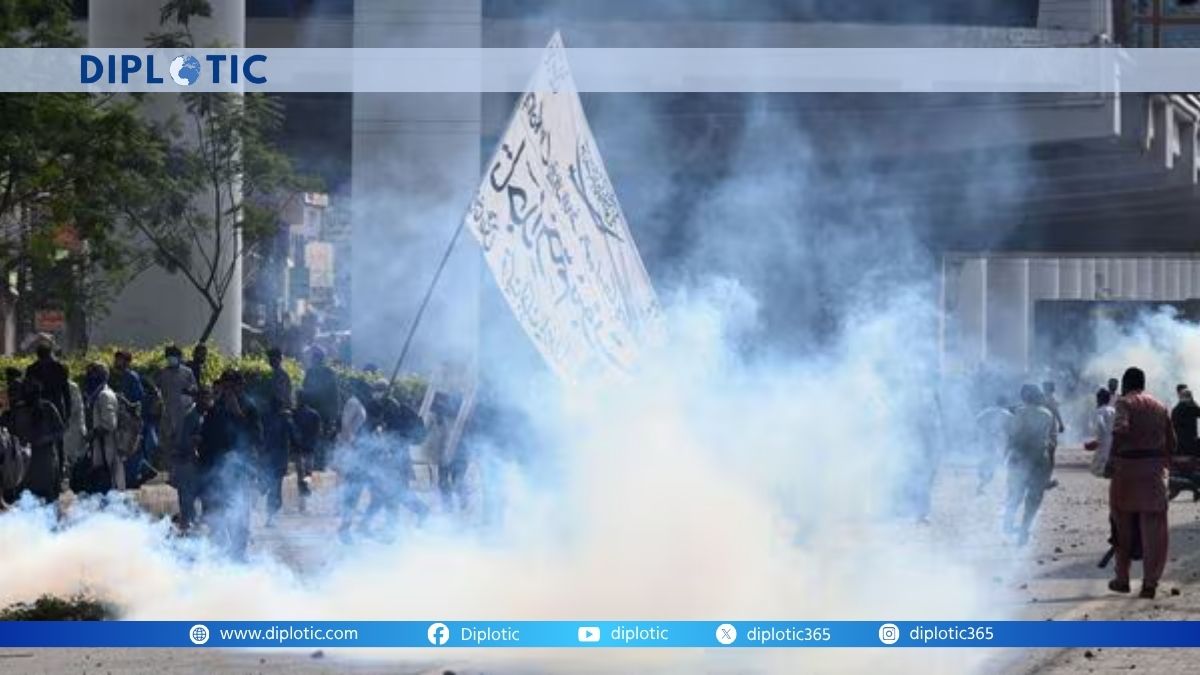
The latest Afghanistan-Pakistan conflict, which erupted in early October 2025, marks the most serious outbreak of violence between the two neighbors since the Taliban seized power in Kabul in 2021. The confrontation has resulted in deadly border clashes, drone strikes, and retaliatory attacks that have claimed dozens of lives on both sides and threaten regional stability.
This renewed conflict is rooted in a complex web of militant insurgencies, strained diplomatic relations, and unresolved border disputes along the Durand Line, the loosely demarcated and heavily militarized boundary separating Afghanistan and Pakistan. After a lull in direct hostilities, escalating operations against militant groups straddling both sides of the border have tipped the fragile peace into open conflict.
Trigger Event: Pakistan’s Airstrike on Afghan Territory
The immediate trigger was a Pakistani airstrike launched on October 9, 2025, targeting the Pakistani Taliban (Tehreek-e Taliban Pakistan, TTP) leadership residing in Kabul, including an attack on Noor Wali Mehsud, the TTP’s chief. Pakistan accused the TTP of carrying out deadly attacks on Pakistani military and security personnel, including a recent assault in Khyber Pakhtunkhwa province.
The airstrike hit key TTP hideouts in Kabul, Khost, Jalalabad, and Paktika, marking a clear escalation from Pakistan’s perspective aimed at neutralizing terrorist threats originating from Afghan soil. However, these operations violated Afghanistan’s sovereign territory, prompting urgent responses from the Afghan Taliban government.
Afghan Taliban Retaliation and Escalating Border Clashes
In retaliation for what it called Pakistani violations of Afghan airspace and sovereignty, the Afghan Taliban launched a series of coordinated attacks on multiple Pakistani military posts along the Durand Line on the night of October 11. The Afghan Defense Ministry declared the operation concluded shortly afterward but warned of further responses should Pakistani airstrikes continue.
The clashes intensified into fierce exchanges of fire well into October 12, with reports of Pakistani drone strikes killing Taliban fighters in southern Afghan provinces like Kandahar and Helmand. Both sides claimed to have inflicted significant casualties. Pakistani officials claimed over 200 Taliban fighters were killed and recaptured multiple border posts, while the Afghan Taliban asserted Pakistani soldier deaths and territorial gains in border areas.
The Durand Line and Border Disputes: A Longstanding Source of Tension
At the heart of the conflict lies the contentious Durand Line border, a 2,640-kilometer boundary drawn by the British colonial administration in 1893, today separating Afghanistan and Pakistan’s Federally Administered Tribal Areas (FATA) and Khyber Pakhtunkhwa province.
Afghanistan has never officially recognized the Durand Line as an international border, viewing it as a colonial imposition that divides Pashtun tribes and ethnic groups across the two countries. Pakistan, conversely, treats it as a sovereign border, with fortified posts and a heavy military presence enforcing control.
The porous nature of the border and the divided tribal loyalties create a fluid and volatile landscape exploited by militant groups such as the TTP, Afghan Taliban, and ISIS-Khorasan Province (ISKP). These groups operate across the boundary, launching attacks and retreating to safe havens, complicating security efforts and contributing to repeated flare-ups.
Militant Groups and Cross-Border Insurgency
The Pakistani Taliban (TTP) rebels, whose headquarters lie across the border in Afghanistan, intensified their insurgency inside Pakistan starting in 2023, targeting army outposts, police stations, and civilian installations. Pakistan accuses the Afghan Taliban regime of harboring and supporting the TTP, charges which Kabul denies, though diplomatic relations remain strained over this issue.
The Afghan Taliban’s strategic calculus differs from the TTP’s. While the Afghan Taliban governs Kabul and seeks to consolidate legitimacy, the TTP aims to overthrow the Pakistani state. The existence of these overlapping but distinct militant groups fuels mistrust and complicates any bilateral security cooperation.
Diplomatic Strains and Failed Security Cooperation
Despite intermittent talks between Afghan and Pakistani officials, efforts to negotiate joint border control and counter-terrorism measures have faltered. Pakistan has withheld formal diplomatic recognition of the Afghan Taliban government, demanding stronger action against terrorists operating within Afghanistan.
Relations further deteriorated after multiple violent incidents and alleged support by external players, including accusations by Pakistan of Indian involvement in supporting anti-Pakistan militants. These geopolitical rivalries exacerbate the local conflicts, adding layers of complexity to managing cross-border threats.
The Regional and Global Implications
The Afghanistan-Pakistan border conflict threatens to destabilize an already fragile region. The escalation risks undermining China’s ambitious Belt and Road Initiative (BRI) projects that depend on stable transit routes through both countries, posing challenges for economic development and infrastructure investments.
The United States, historically involved in Afghanistan and closely monitoring South Asian security, has urged restraint and emphasized dialogue, fearing a wider war. Increased hostilities have drawn international concern for humanitarian consequences affecting border communities and displaced civilians.
Prospects for De-escalation and Conflict Resolution
As of mid-October 2025, a temporary ceasefire has been declared by the Afghan Taliban, and military leaders on both sides have signaled cautious restraint following intense clashes. Pakistani Prime Minister Shehbaz Sharif and Afghan Foreign Minister Amir Khan Muttaqi have expressed willingness to resume diplomatic engagement to restore peace.
For sustainable resolution, confidence-building measures, acknowledgment of the Durand Line issue, and joint actions to eliminate militant sanctuaries are necessary. Without addressing underlying political grievances and border governance, tensions are likely to resurface.
Conclusion: A Dangerous Powder Keg on a Volatile Border
The latest Afghanistan-Pakistan conflict erupted due to a mix of militant insurgencies, disputed borders, and diplomatic mistrust aggravated by provocative military actions. Pakistan’s airstrikes targeting the TTP in Afghan territory ignited retaliatory attacks by Afghan Taliban forces, escalating a long-ignored border dispute into full-blown clashes.
This conflict underscores the fragile security environment in South Asia and the ongoing challenge of managing cross-border militancy amid complex ethnic, political, and strategic dynamics. It demands urgent diplomatic attention backed by robust counterterrorism cooperation to prevent further destabilization of a region critical to global geopolitical balance.