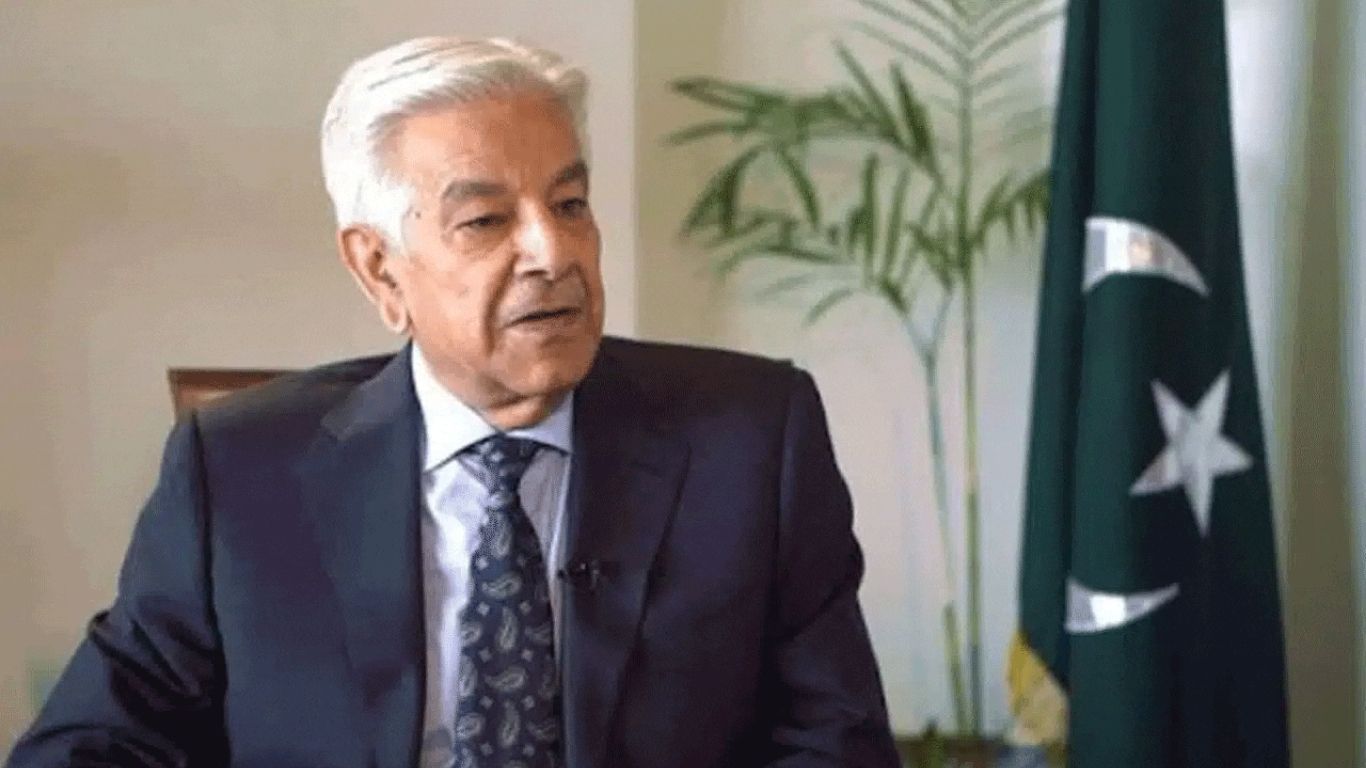
Pakistan’s Defence Minister Khawaja Muhammad Asif has issued one of the most resolute warnings to India in recent months, amid a backdrop of heightened bilateral tensions and significant domestic challenges. Speaking under the shadow of ongoing internal turmoil and after the tumultuous military confrontations earlier this year, Asif bluntly cautioned New Delhi against any fresh military aggression, declaring that Pakistan’s response would be far stronger and more decisive than before.
The warning follows sharply provocative remarks from India’s military leadership, particularly Army Chief General Upendra Dwivedi, whose statements alluded to curtailed Indian restraint after the May 2025 clashes. Asif’s robust response is not only emblematic of Pakistan’s defensive posture but also signals ongoing volatility that threatens to destabilize South Asia’s fragile peace.
Context of Conflict
The fury behind this diplomatic volley traces back to the May 2025 India-Pakistan conflict, sparked by a terrorist attack in Pahalgam, Jammu and Kashmir, that killed 26 Indian civilians. India’s swift retaliation, dubbed Operation Sindoor, involved precision missile strikes on militant infrastructure in Pakistan and Pakistan-occupied Kashmir, targeting groups accused of sponsoring terror activities. Pakistan responded with equal vigor, launching operations against Indian positions and escalating artillery and drone skirmishes along the Line of Control.
The four-day conflict marked the most intense military confrontation in years and inflicted casualties and infrastructural damage on both sides. A US-mediated ceasefire brought an uneasy calm but left both nations nursing wounds and wary of further escalation. Khawaja Asif’s declaration thus comes amidst lingering tension, unresolved grievances, and a defense establishment determined to deter future Indian strikes.
“If They Try Again, The Score Will Be Far Better”
Khawaja Asif’s warnings are charged with unambiguous defiance and a striking vow of resilience. Writing on social media and speaking in public forums, he asserted that New Delhi’s military and political leadership were attempting to restore lost credibility after the perceived failure of Operation Sindoor, described by Pakistan as a humiliating setback with a “score of 0–6.”
“If they try again, the score, God willing, will be much better than before. This time India will be buried under the wreckage of its own planes,” Asif proclaimed, rhetoric underscored by Pakistan’s claims of downing multiple Indian jets and causing severe damage during the May strikes. His remarks reflect a mindset of deterrence intertwined with an overt readiness to escalate should hostilities resume.
Pakistan’s Internal Challenges Amid Diplomatic Heat
As Pakistan confronts external threats, it is grappling simultaneously with substantial domestic turmoil. Political instability, economic pressures, social unrest, and challenges to governance loom large. The defence minister’s statement thus serves dual purposes: rallying nationalistic sentiment to solidify internal unity and projecting strength externally to deter adversaries.
Recent protests, economic hardships exacerbated by inflation and governance issues, and threats from insurgent groups within Balochistan and Khyber Pakhtunkhwa provinces compound Pakistan’s precarious security environment. The military establishment, led by figures like Khawaja Asif, remains a key pillar of power, leveraging rhetoric and actions to consolidate authority and present Pakistan as a united front against India.
India’s Military Posture: Hardened Resolve After Operation Sindoor
India’s military leadership, particularly Army Chief Upendra Dwivedi, has adopted a markedly tougher stance post-May 2025, vowing to eliminate support for terrorism attributed to Pakistan and signaling a readiness to abandon previous restraint. Dwivedi’s public statements emphasize India’s preparedness to respond comprehensively to cross-border terrorism and military provocations, underscoring an aggressive strategic posture in Jammu and Kashmir.
Such rhetoric has aggravated Pakistani fears of renewed conflict, feeding into the Defence Minister’s warnings and affirming a cycle of mutual distrust and hostility. New Delhi’s suspension of diplomatic protocols and visa services post-terror incidents further inflames tensions, complicating prospects for peace talks or de-escalation.
The Fragile Ceasefire and Diplomatic Efforts
A fragile ceasefire brokered through US and international mediation held after the May hostilities, providing a crucial but tentative pause in active fighting. Diplomats from Washington and other global capitals have urged restraint and dialogue, recognizing that instability in South Asia carries wide-ranging consequences.
However, with inflammatory statements and mounting nationalist fervor on both sides, prospects for substantive peace talks remain bleak. Pakistan’s Defence Minister’s forthright warnings highlight the fragility of the current status quo and the very real possibility that further clashes could ignite if provocations continue.
A Broader Geopolitical Chessboard: US, China, and Regional Implications
The India-Pakistan conflict and recent threats occur within a broader geopolitical contest involving key global players. Pakistan’s strategic alliance with China, combined with its courting of US economic and military partnerships, fuels a complex balance of power. Washington’s mediation role and India’s emerging partnerships with Western democracies add layers of competition and cooperation that shape the regional security climate.
Khawaja Asif’s warnings also serve as signals to these actors, reminding them of the volatility inherent in South Asia and Pakistan’s determination to defend its national interests. The military rhetoric resonates beyond bilateral tensions into maritime security, energy corridors, and economic corridors linked to China-Pakistan projects.
A Perilous Path Forward
The Defence Minister’s stark warning reflects deeply entrenched hostilities and the real possibility of renewed conflict between two nuclear-armed neighbors. Political hawks on both sides exploit nationalism, complicating diplomatic resolutions while increasing risks of miscalculation.
Pakistan’s internal challenges add layers of unpredictability, as domestic unrest and economic stress could reduce tolerance for prolonged conflict or diplomatic compromise. Conversely, India’s robust military messaging aims to deter cross-border militancy but risks provoking further instability.
International stakeholders remain vigilant, emphasizing dialogue and restraint but confronting the harsh reality of an escalating security dilemma. Pakistan’s Defence Minister’s recent remarks underscore a moment of heightened tension with unpredictable consequences for regional peace and stability.
Pakistan’s Defence Minister’s Warning Signals Renewed Diplomatic and Security Challenges
Pakistan Defence Minister Khawaja Muhammad Asif’s unequivocal warning to India amid domestic turmoil encapsulates the precarious security landscape of South Asia in late 2025. The echoes of May’s intense military clashes persist in the form of hardened rhetoric, mutual distrust, and the looming threat of future conflict.
Against a backdrop of internal political instability and economic distress, Islamabad seeks to project strength and resilience, warning New Delhi that any fresh aggression will be met with overwhelming force. The tense atmosphere demands cautious diplomacy, as a misstep risks plunging the region into renewed violence with catastrophic consequences.
In this charged geopolitical environment, Pakistan’s defence posture and vocal warnings underscore the urgent need for measured dialogue, international mediation, and conflict risk management to prevent a dangerous escalation.