

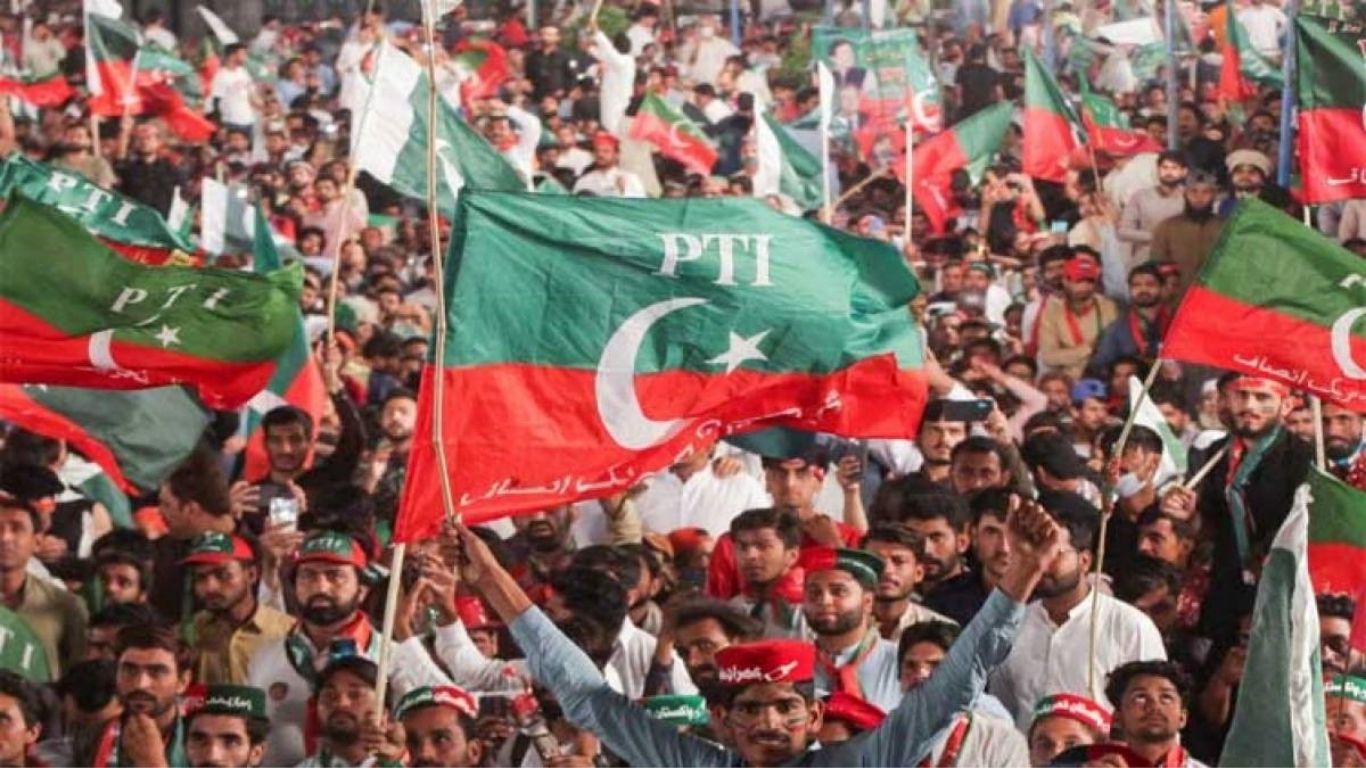
Pakistan has been shaken by one of the largest waves of anti-government protests in recent history, with citizens pouring into the streets across multiple cities and especially in Pakistan-administered Kashmir (PoK). The protests erupted as a powerful backlash against worsening economic conditions, political disenfranchisement, and corruption allegations aimed at the Shehbaz Sharif-led government.
Starting late September 2025, frustrated demonstrators presented the government with a 38-point charter of demands, calling for immediate relief on crippling electricity tariffs, food shortages, cessation of elite privileges, and meaningful reforms in governance and representation. The protests quickly snowballed into violent clashes with security forces, leaving at least a dozen dead and hundreds injured amid harsh crackdowns and sweeping communications blackouts.
Economic Collapse and Social Anger Drive Unrest
At the heart of the turmoil lies Pakistan’s severe economic crisis, with runaway inflation eroding purchasing power and pushing millions into poverty. Electricity tariffs have surged to unaffordable levels, food insecurity has worsened due to both supply disruptions and price hikes, and public services remain grossly underfunded. Citizens complain of government inaction and broken promises, intensifying widespread sentiment that the ruling coalition is disconnected from the daily struggles of ordinary Pakistanis.
In PoK, protests have been particularly fierce, fueled by perceptions of political marginalization and economic neglect. Protesters demanded the removal of unjust “refugee seats” in local assemblies considered tools of political patronage, and restoration of subsidized essential commodities. The grievances extend beyond economics, touching on demands for dignity, education, healthcare, and democratic representation.
Government’s Response: Concessions Amid Crackdowns
Under mounting pressure, the Pakistan government initially responded with a forceful clampdown, deploying thousands of troops and police to quell the unrest. Telecommunications blackouts were imposed to disrupt protest organization, while security forces resorted to tear gas, baton charges, and live ammunition at times. These measures, however, fanned public anger and international concern over human rights abuses.
Realizing the escalating crisis could destabilize the entire region, Prime Minister Shehbaz Sharif dispatched a high-level delegation led by former Prime Minister Raja Pervaiz Ashraf to negotiate with protest leaders. After intense discussions, Islamabad signed a landmark 25-point agreement with protest representatives that included commitments to:
Compensation for relatives of those killed in protests
Set up new educational boards for Muzaffarabad and Poonch divisions
Allocate PKR 10 billion to improve the electricity infrastructure
Implement health cards for free medical treatment
Conduct studies for critical infrastructure projects like tunnels and an international airport in Mirpur
While the government framed the deal as a “victory for peace,” critics point to it as a reluctant capitulation indicative of a government struggling to maintain control.
Political Fallout and Governance Challenges
The protests have exposed deep fissures in Pakistan’s political fabric. The government’s longstanding reliance on patronage politics and elite privileges has alienated large sections of the population. The concessions on reducing privileges and reforming assemblies highlight the urgency of genuine political reforms, but the challenge remains whether the government can deliver on these promises amidst economic constraints.
The protests have also emboldened opposition parties and civil society groups who see the unrest as a critical moment to press for systemic changes. Islamabad risks increasing isolation if it continues prioritizing repression over dialogue, particularly as protest leaders gain grassroots legitimacy.
Regional Security and Geopolitical Implications
The instability gripping Pakistan has profound regional security consequences:
Militant Threats: The unrest offers fertile ground for extremist groups like Tehrik-i-Taliban Pakistan (TTP) to expand influence amid chaos, threatening internal and neighboring countries’ security.
India-Pakistan Relations: The protests, especially in Kashmir, exacerbate tensions with India, which condemns Pakistan’s handling of dissent while touting solidarity with Kashmiri protestors. This dynamic further destabilizes a historically volatile border region.
International Aid and Diplomacy: Pakistan’s dependency on foreign aid comes under strain as donor countries express concern over human rights and governance crises, potentially reducing crucial economic lifelines and complicating diplomatic relations.
Regional powers including China, Russia, and Iran monitor the situation closely, weighing impacts on trade corridors and regional stability partnerships.
Path Forward: Reform or Further Turmoil?
Pakistan stands at a critical juncture. The government must transition from reactive surface-level concessions toward deep institutional reforms addressing inequality, corruption, and political exclusion. Sustainable economic recovery demands tackling structural flaws, improving governance transparency, and fostering inclusive development.
Concurrently, the government must temper security responses with respect for human rights to rebuild public trust and avoid alienating international partners.
Conclusion: Pakistan’s Crucible Moment
The massive anti-government protests sweeping Pakistan symbolize a nation grappling with economic despair, political disenfranchisement, and a demand for systemic transformation. As the smoke clears from violent clashes and shuttered streets, Pakistan stands at a crossroads, with the government’s next moves likely to define its future trajectory.
The world watches closely as Islamabad’s resilience is tested will it embrace reform and dialogue or resort to suppression and further conflict? The stakes are high for Pakistan’s stability, regional security, and democratic prospects alike.




