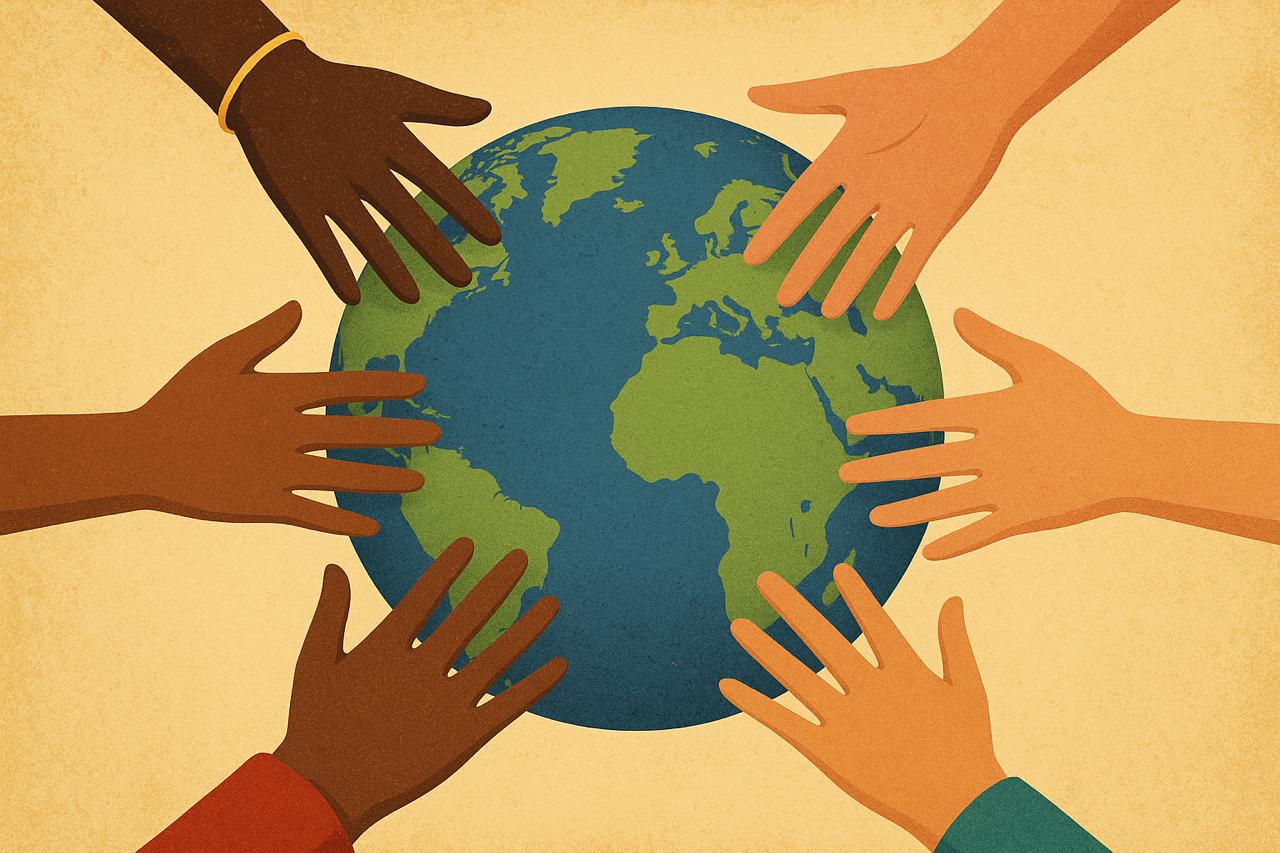
Human rights are universally recognized, according to popular belief, and everyone, regardless of their location, is entitled to justice, freedom, and dignity. Beneath that lovely notion, however, lurks a nagging question: are human rights a Western construct based on European history and aspirations, or are they actually universal?
The Beautiful Idea of Universal Rights
Take the case of being in a busy street in Dhaka, London, or Lagos. You may not speak the same language, practice the same religion, or even observe the same traditions with the society around you- but you are likely to be on common ground, stating that all human beings are entitled to live free without fear or mistreatment.
The concept of human beings having certain rights, as human beings, is a profound moral achievement of humanity. This inspired the creation of the document on freedom, justice, and peace for humanity, the Universal Declaration of Human Rights (UDHR) of 1948. But who are the authors, and what values formed those writers?
The Western Roots: Born in Revolution and Reason
To answer that, we have to rewind history.
The Enlightenment era in Europe — roughly the 17th to 18th centuries — gave birth to many ideas we now call “universal.” Philosophers like John Locke, Rousseau, and Kant wrote passionately about “natural rights” — the belief that humans have certain rights simply because they are human.
Then came revolutions — the American Revolution (1776) and the French Revolution (1789) — both proclaiming liberty, equality, and the rights of man. These events and philosophies built the moral foundation for what the world later called human rights.
So yes — the language and framework of modern human rights were born in the West.
But does that mean the idea of human dignity came only from Western thought? Not at all.
Every Civilization Has Its Own Version of Dignity
Before even Europe’s Enlightenment took place, civilizations in Asia, Africa, and the Middle East had already created their own sites for forming different models of human morality and justice.
Islamic tradition speaks of the equality of all souls before God in the Qur’an and Hadith, and prohibits oppression and injustice.
Hindu and Buddhist traditions speak of compassion (karuna), respect for life, and non-violence (ahimsa) as the moral basis of social life.
African philosophy speaks of communal connection of care, which it calls Ubuntu — “I am because we are.”
So, while the words “human rights” may sound Western, the spirit of it – the respect for human dignity – exists everywhere.
The Power Question: Universal or Imposed?
Here’s where the debate heats up.
When Western nations led the creation of global institutions like the United Nations, they also defined what “universal rights” should mean. For many post-colonial countries, that raised suspicion: Were these “universal” rights truly for everyone, or were they moral exports from the West?
After all, Western countries were still recovering from centuries of colonialism — systems built on denying rights to others. The irony wasn’t lost on the newly independent nations of Asia and Africa.
Leaders from the Global South began asking: “Whose rights are we talking about? Do these so-called universal values understand our cultures, religions, and ways of life?”
Some saw human rights advocacy as a tool of Western power — a moral language that could be used to shame, sanction, or influence non-Western governments.
Universalism vs Cultural Relativism: The Great Tug of War
The Universalist View
Universalists believe human rights belong to everyone, no matter where they’re born. To them, it’s not about East or West — it’s about what makes us human.
If torture, slavery, or child marriage are wrong, they’re wrong everywhere. Suffering doesn’t wear a cultural costume.
Without universal rights, they argue, governments could justify oppression by hiding behind “culture” or “tradition.”
The Cultural Relativist View
Cultural relativists respond: “Wait — not every society sees the world the same way.”
In the West, individual freedom is the highest value. But in many non-Western societies, community, family, and social harmony matter just as much — sometimes more.
So when the West says “freedom of expression” or “freedom of religion,” some cultures hear “freedom to disrespect elders, prophets, or sacred traditions.”
The fear isn’t human rights themselves — it’s Western dominance disguised as universal morality.
Asian Values, Islamic Rights, and the Global Conversation
As the 20th century came to an end, fresh perspectives started to change the discourse on human rights. Asian leaders who promoted “Asian values”—prioritizing social harmony, duty, and order over unadulterated individual freedom—included Lee Kuan Yew and Mahathir Mohamad. Islamic law and ethics served as the foundation for the 1990 Cairo Declaration on Human Rights in Islam, which was written by Muslim scholars. Community-based ideologies such as Ubuntu were included in African human rights charters, which combined rights with shared duties.
These perspectives didn’t reject human rights — they reimagined them. They wanted to say: yes, human rights matter — but they must speak in every culture’s language.
The Real Question: Can Rights Be Both Universal and Local?
Perhaps the problem isn’t with human rights themselves — but with how they’ve been presented.
The truth is, human rights don’t have to be identical everywhere to be meaningful everywhere.
- The core principles — dignity, justice, freedom, equality — can be universal.
- The expressions and practices — how societies protect and balance those rights — can be local.
Think of it like music. The melody is the same — the rhythm changes by culture.
In Bangladesh, freedom might mean the ability to speak without fear but still show respect to social values. In France, it might mean absolute freedom to criticize even sacred ideas. Both are versions of the same song — just played in different keys.
The Double Standards Problem
Let’s be honest — many Western nations that preach human rights have violated them, too.
From colonial atrocities to modern-day wars and systemic racism, history is filled with contradictions. When powerful countries selectively apply “human rights” — condemning some nations while ignoring their own abuses — it weakens the credibility of universality.
If human rights are truly universal, they must hold everyone accountable — not just the weak.
Building a More Inclusive Universalism
So how do we move forward?
The future of human rights lies not in choosing between “Western” or “non-Western,” but in building a truly global human rights culture — one born of conversation, not domination.
That means:
- Listening to local traditions, faiths, and community structures.
- Adapting global rights language so it feels authentic in each culture.
- Balancing rights with responsibilities — protecting both individuals and the communities that give them identity.
- Holding everyone accountable — including powerful Western states.
Human rights should not be a Western export. They should be a human project.
Conclusion: A Shared Dream, Many Voices
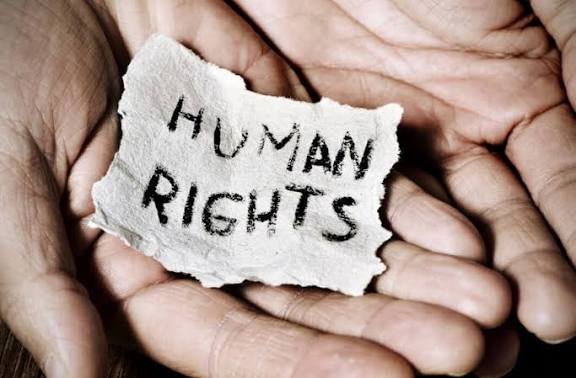
Are human rights universal or a Western construct? The honest answer is: they are both — and neither.
They were born in the West, yes, but they’ve been claimed, reshaped, and reimagined by people everywhere. From the mothers protesting for justice in Argentina, to students demanding freedom in Hong Kong, to villagers in Africa calling for land rights — the language may differ, but the heartbeat is the same.
Human rights are not owned by any one culture. They belong to the human experience itself.
And the more we make them reflect the diversity of our world, the closer they come to being truly universal.